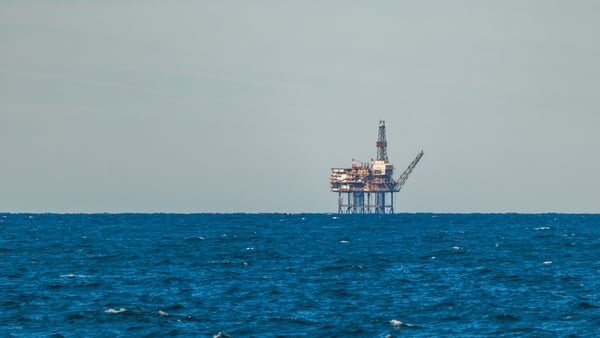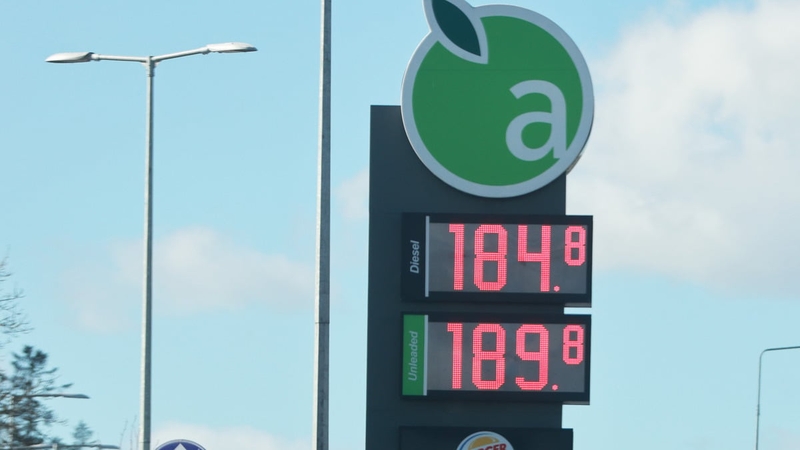


Analysis: We are likely to experience the impact of war in Iran on the cost of fuelling our cars, heating our homes and generating electricity
Petrol pump prices are an unlikely barometer of global geopolitics and an uncomfortable reminder of how intertwined politics, war and fossil fuels are. The bombing of Iran has raised the prospect of another global energy crisis this decade, echoing the impact of the successive energy crises in the 1970s.
Ireland is one of the most fossil‑fuel‑reliant societies in Europe and so we are very exposed to any global event that impacts fossil fuel prices. We spend about €1 million an hour on oil and gas, and even though we import very little energy directly from the Gulf region, we are connected through global market pricing. As a result, we are likely to experience the impact of the war in Iran on the cost of fuelling our cars, heating our homes, and generating electricity.
We need your consent to load this rte-player contentWe use rte-player to manage extra content that can set cookies on your device and collect data about your activity. Please review their details and accept them to load the content.Manage Preferences
From RTÉ Radio1's News At One, Dr Paul Deane from UCC explains the significance of the Strait Of Hormuz, the oil transport artery for around a quarter of the world's supply
The situation is highly uncertain, but ultimately two factors will determine whether energy prices increase a little or rise a lot in the coming weeks and months. Of chief importance is the role of the Strait of Hormuz, and separately, whether critical energy infrastructure for oil refining and gas production in neighbouring Gulf countries will be attacked, disrupted or damaged
The Strait of Hormuz, located in southern Iran, is a narrow corridor of water about 100 miles long. It serves as the main transit route from the Gulf for around 25% of the world's oil supply, including exports from Saudi Arabia, the UAE, Kuwait, Qatar, Iraq, and Iran. It is considered the world’s most important oil gateway. While other major oil transit routes can be circumvented (although with added time and cost), there is no meaningful alternative to the Strait of Hormuz for large‑scale oil shipments.
Today, the shipping of oil and gas through the Strait is at a standstill as the world watches events in Iran and waits. Oil prices have surged, though not soared to the $100 per barrel levels seen during Russia's invasion of Ukraine. This is because markets are still trying to anticipate how long the war will continue, and global oil supply currently has a small but important buffer of extra supply acting as a temporary shock absorber. The longer the Strait of Hormuz remains shut, the greater the likelihood of significant increases in international oil prices — and by extension, higher national petrol and diesel prices.
We need your consent to load this rte-player contentWe use rte-player to manage extra content that can set cookies on your device and collect data about your activity. Please review their details and accept them to load the content.Manage Preferences
From RTÉ News' Behind the Story podcast, how the Iran crisis could hit your pocket
This timing is not just a concern for markets; it should also be a concern for US president Donald Trump. American political sentiment is sensitive to gasoline prices, and US drivers are accustomed to relatively low fuel costs. With ongoing economic concerns and the cost of living remaining high, Trump will be acutely aware of the domestic political consequences of prolonged military intervention abroad, particularly its impact on international oil prices and US gasoline costs.
During his first presidency, Trump often used social media to pressure oil‑producing countries to increase production to lower global prices during times of geopolitical instability. But the current conflict presents a different challenge: the issue is not oil production, but the movement of oil, specifically through the Strait of Hormuz.
Is there a worst‑case scenario in which a serious escalation could lead to petrol and diesel shortages at Irish forecourts? The answer is no. Ireland was significantly affected by the 1973–1974 oil crisis and, like many countries, learned the hard lesson of maintaining strategic energy reserves. Today, Ireland physically stores about €1 billion worth of oil products (petrol, diesel, kerosene, and crude oil) across various locations in Galway, Dublin, and Foynes. Smaller volumes are also stored abroad, managed by Ireland’s National Oil Reserve Agency.
We need your consent to load this rte-player contentWe use rte-player to manage extra content that can set cookies on your device and collect data about your activity. Please review their details and accept them to load the content.Manage Preferences
From RTÉ Radio 1's Drivetine, economic commentator Justin Urquhart-Stewart on how the Iran will cause disruption to the energy and oil sectors
These reserves act as a national shock absorber and are sufficient to keep the country running for approximately 90 days. In the event of a major physical disruption, this oil would be released to the Irish market — but it is important to note that this oil is not "free" and would still be sold at market prices. So, while there would be oil, it will not be cheap.
But it is not just oil production at risk. Gas production in the region is also severely impacted, particularly in Qatar, which supplies around 20% of the world’s shipped liquified natural gas. Gas prices matter greatly for Ireland because we generate about half of our electricity from gas each year. Increases in international gas prices have been the largest driver of higher electricity bills in Ireland since 2022. Like oil, we pay an international price for gas, which heavily influences electricity costs.
While the outlook remains uncertain, a prolonged interruption of gas production in Qatar for two to three weeks would cause significant challenges in global gas markets and cause gas prices to rise and this would eventually make its way into higher electricity bills in Ireland, although the extent is difficult to say at this stage. Forecourt petrol and diesel prices typically rise one to two weeks after the start of a crisis, while electricity bills rise more slowly — often over several months — and can take even longer to fall again.
Follow RTÉ Brainstorm on WhatsApp and Instagram for more stories and updates
The views expressed here are those of the author and do not represent or reflect the views of RTÉ