|
|
 |
|
 |
Key Moments in Irish Public Service Broadcasting |
 |
 |
 |
 |
|
In 1974, an Irish Government Committee described broadcasting as "an aid to all Irish people to live an enriched and rewarding life". Broadcasting was expected to do this through entertainment, information and education. All three of these elements have been in Irish Public Service Broadcasting in abundance, though in different mixes, over almost eight decades.
In the 1920s, when broadcasting came from a single room studio in Dublin's Denmark Street, programmes included a strong emphasis on Ireland's ancestral language and culture. Patriotic ballads, poems and stories were featured on the Irish airwaves. Information was more sparse. In the aftermath of a civil war, the time was not right for adventurous speech programming, but a lot of common ground could be found in cultural heritage, both European and local. |
 |
 |
 |
|
By the 1940s, there were two fully developed orchestras for symphonic and light music, and a group of talented writers and drama performers on the expanded staff of Radio Éireann. Taking advantage of the recent development of tape recording, Radio Éireann's Mobile Unit travelled through Ireland, collecting the voices and sounds of those unable, or unwilling, to travel to Dublin. This work sixty years ago has left a broadcasting and cultural legacy. Now archived, it remains a national and a European heritage collection of the first rank.
|
 |
 |
 |
|
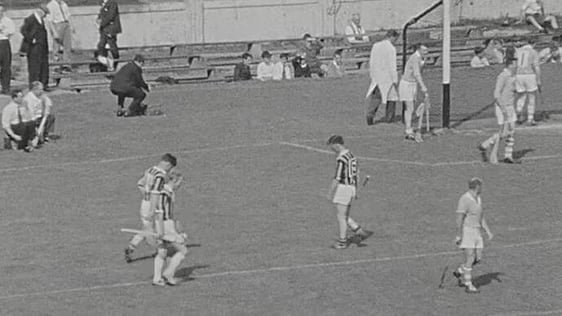
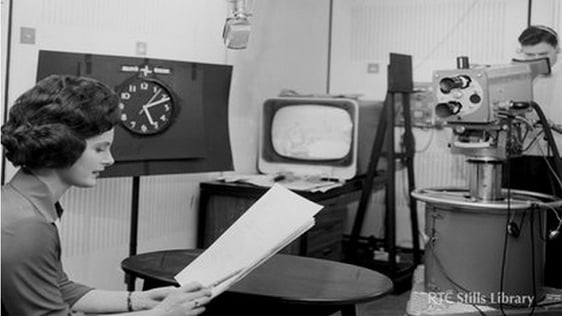
In the 1950s, some broadcasts and broadcasters seemed to assume the status of national institutions: the 'Sunday Night Play', Irish dance music programmes, Michael O'Hehir's commentary of Gaelic Games, for example. These institutions may have remained central to Irish life but after 1962 the new television service 'Telefís Éireann' temporarily eclipsed the radio service- but only for a short while. Television profited from many of the experienced engineering, production and performing talent found in its sister service but Radio Éireann soon recovered. As one organisation, the intention was that television and radio should play complimentary roles and so they did from 1962, with shared departments such as sports, news and religion.
|
 |
 |
 |
|
By 1972, developing technology had enhanced radio with two radical innovations: FM broadcasting, followed shortly after by stereo. Irish language was catered for with a new national service, Raidió na Gaeltachta. As in many other countries, Irish television and radio did much to stimulate a critical interest in politics and social affairs at home and abroad. Television experienced the same problem as radio had decades earlier - one channel but many demands for diversity. This demand was addressed by the launch of RTÉ 2 in the late 1970s, and later Teilifís na Gaeilge (now TG4) in the 1990s. Another welcome addition for radio listeners was RTÉ Lyric FM.
|
|
 |
RTÉ Broadcasting: | 1
| 2
| 3
| 4
| 5
| 6
| 7
| 8
| 9
|
1920s... |
 |
|
|
|
 |
Archive Products
See RTÉ CDs, DVDs, books, etc., including releases from RTÉ Libraries and Archives. RTÉ Shop...
|
|
|