


To listen to RTÉ.ie's radio and podcast services, you will need to disable any ad blocking extensions or whitelist this site.
0
00:00
00:00
Episode Notes
Panel: Richard Collins, Éanna Ní Lamhna & Niall Hatch
Reporter: Terry Flanagan
In addition to listening to us on RTÉ Radio One at 22:00 every Monday night, don't forget that you can also listen back to each of our programmes any time you like at rte.ie/mooney. There, you will find an extensive archive of past broadcasts, conveniently split into different topics and segments.
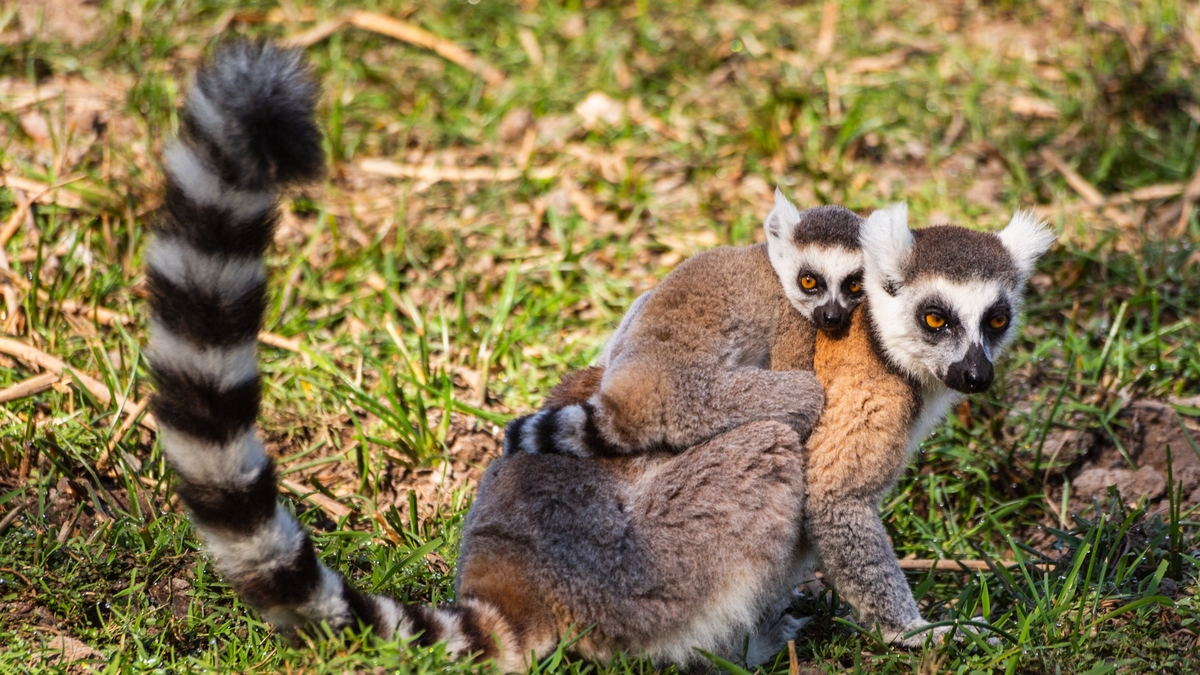
With our live The Dawn Chorus broadcast just around the corner, our recommendation from the Mooney Goes Wild archives this week is a segment all about birdsong. First broadcast in April 2020, shortly after COVID had begun to disrupt our lives in ways we could never previously have imagined, it features Derek Mooney and Niall Hatch, in lockdown in their respective back gardens, in conversation about the impacts of the recently introduced pandemic restrictions on the volume and prevalence of birdsong.
Derek and Niall also examine just how birds are able to sing such remarkable songs, delving into the complex acoustic mechanics at work, as well as the role that birdsong plays in territorial defence.
To listen back to this segment from the Mooney Goes Wild archives, visit
https://rte.ie/radio/radio1/clips/21756682/
Just three Sundays to go until the dawn chorus
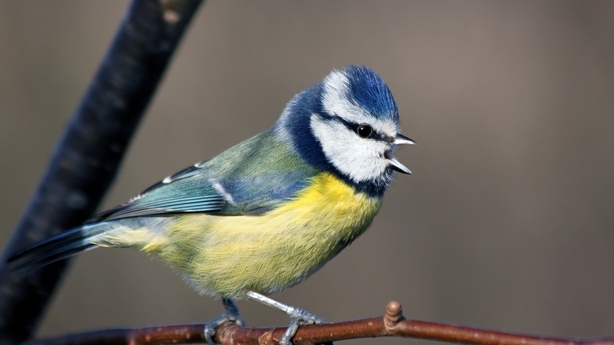
One of the most hotly anticipated highlights of our calendar here at Mooney Goes Wild is our annual live broadcast of The Dawn Chorus, which has become a much-loved staple of the airwaves for almost three decades now. This year’s programme will be kicking off on RTÉ Radio One and RTÉ lyric fm in the early hours of International Dawn Chorus Day, Sunday 7th May, starting at midnight and continuing right through until 07:00.
'Home base’ once again this year will be BirdWatch Ireland’s Cuskinny Marsh Nature Reserve in Cobh, Co. Cork, where our main presentation team of Derek Mooney, Niall Hatch, Éanna Ní Lamhna and local Ornithologist Allan Farrell will introduce The Dawn Chorus and, while the birdsong builds in real time, explain to listeners what our feathered friends are getting up to as the sun rises.
Across the country, Richard Collins, Eric Dempsey and Terry Flanagan will also bring us the birdsong from their parts of Ireland, as the sun gradually breaks the horizon and the birds begin their performances. This year the programme will showcase local songbirds in every county in Ireland, and we will delve into their cultural history and significance. We are delighted to be partnering once again with our colleagues in BBC Radio Ulster and BBC Wales.
For more information about just what The Dawn Chorus is all about, visit
https://rte.ie/lifestyle/nature/2018/0413/954360-what-is-the-dawn-chorus-derek-mooney-explains/
A French owl that sounds like a truck?!
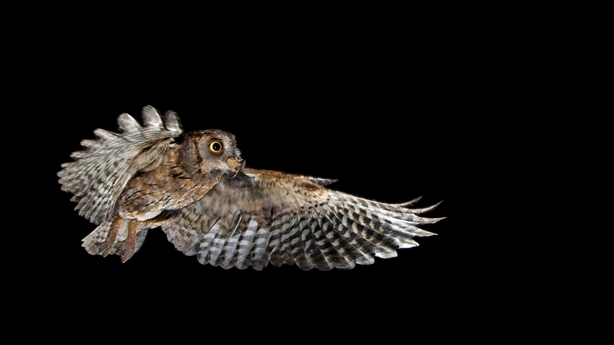
When recording tonight’s programme, Niall happened to be in the French Mediterranean town of Mandelieu-la-Napoule, a place where he has strong family connections. As luck would have it, his visit coincided with the peak of both the bird migration season and the dawn chorus. He describes some of the birds he has been seeing and hearing, including the legendary Nightingale, the skulking Cetti’s Warbler and the diminutive Scops Owl, a bird with a song that Richard Collins accurately describes as sounding like a truck reversing!
For more information about Scops Owls and the sounds that they make, visit
https://soundapproach.co.uk/species/eurasian-scops-owl/
Three baby Ring-tailed Lemurs born at Fota Wildlife Park
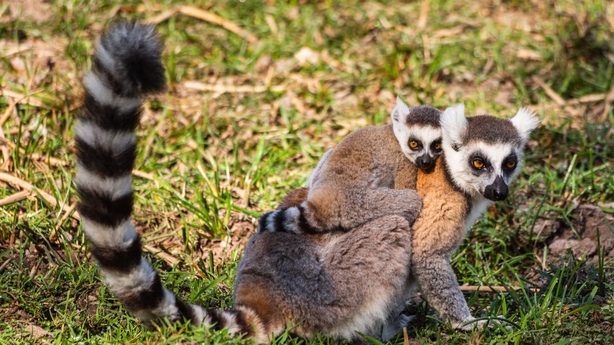
True to their name, Ring-tailed Lemurs’ tails are ringed with exactly 13 alternating black and white bands, making them one of the most recognisable primates in the world. This matriarchal species is unique to the island of Madagascar, as indeed are all species of Lemur.
Sadly, all is not well for the Ring-tailed Lemurs in their native home. Factors such as rampant habitat destruction, hunting and the pet trade have, according to recent reports, led to a shocking 95% population decline since 2000.
This means that captive breeding programmes have become critical to the survival of this endangered species. Our friends at Fota Wildlife Park were particularly delighted, therefore, recently to announce the births of three Ring-tailed Lemurs.
On tonight’s programme, we are joined by Theresa Power, Lead Ranger at the park, who tells us more about the threats facing these endearing mammals in Madagascar, the importance of captive breeding and, would you believe, the difference between stink-fighting and flirt-fighting!
For more information about the Ring-tailed Lemurs at Fota Wildlife Park, visit
https://fotawildlife.ie/animals-plants/ring-tailed-lemur/
How much harm do domestic cats do to wild bird populations?
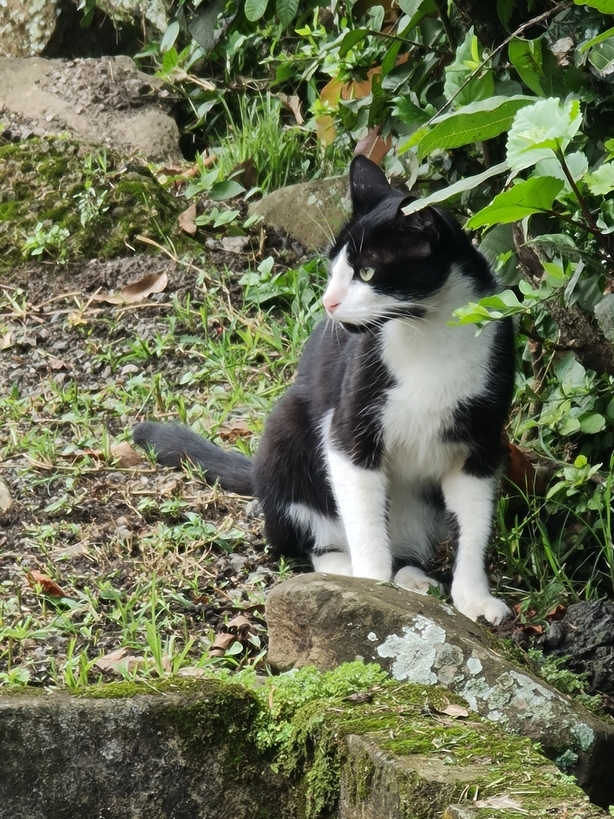
Much-loved pets though they may be, there is no denying that cats take a heavy toll on wild birds. No figures are available for the number of birds killed by cats in Ireland, but estimates from the UK vary from 27 million to 400 million per year.
To find out more, for tonight’s programme biologist and Roving Reporter Terry Flanagan travelled to Clonmel to speak to Mooney Goes Wild listener Damian Martin. Damian has noted that cats have been having an increasing impact on his garden bird populations in recent times, a change that he attributes to the death of his dog. Without a canine guard to deter them, neighbourhood feline hunters now have much easier access to the birds.
Next, Terry spoke to Tara Adcock, Urban Birds Project Officer with BirdWatch Ireland, about just how serious this problem is, both here in Ireland and across the world, and what might be done to improve the situation for our wild birds.
For more information about the impact of domestic cats on wild birds, visit
https://theguardian.com/environment/2022/aug/14/cats-kill-birds-wildlife-keep-indoors
RHS Companion to Wildlife Gardening

Writer, broadcaster and environmental campaigner Chris Baines has many strings to his bow, not least of which is that he is the person who first came up with the idea of International Dawn Chorus Day.
We have chatted to Chris about birdsong many times over the years, but on tonight’s programme he speaks to Derek and Éanna from his home in Wolverhampton about the subject of wildlife gardening. This is an environmental conservation measure that is widely practiced and celebrated today, but Chris was one of the very first people to champion it.
His landmark book on the topic, How to Make a Wildlife Garden, was launched at the 1985 Chelsea Flower Show, at a time when the concept of wildlife gardening was so alien that the medal he was awarded by the Royal Horticultural Society even cited his work on "wildfire" gardening.
This legendary book, fully revised and updated by the author, has just been republished under the new title RHS Companion to Wildlife Gardening. Incorporating the latest research, featuring updated best practice and addressing a multitude of controversial conservation issues, this stunning guide is also a celebration of the rich variety of wild plants and animals that can bring a beautiful garden to life.
For more information about the RHS Companion to Wildlife Gardening, visit
https://quarto.com/books/9780711281288/rhs-companion-to-wildlife-gardening