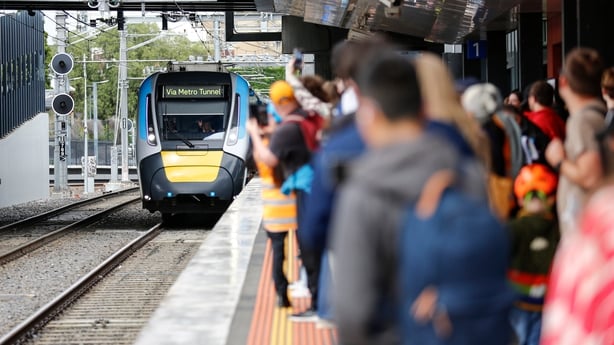
The Australian state of Victoria has announced plans to make public transport free from tomorrow amid concerns over rising fuel prices as a result of the Iran war.
Posting on social media, the state's Premier, Jacinta Allan, said it was a "temporary measure to take pressure off the pump and ease the cost of living for Victorians right now".
"It won’t solve every problem, but it is an immediate step I can take to help Victorians right now," she added.
The initiative in Victoria, of which Melbourne is the capital city, will initially run until the end of April.
Tasmania is also reported to be introducing fare-free travel for an extended period.
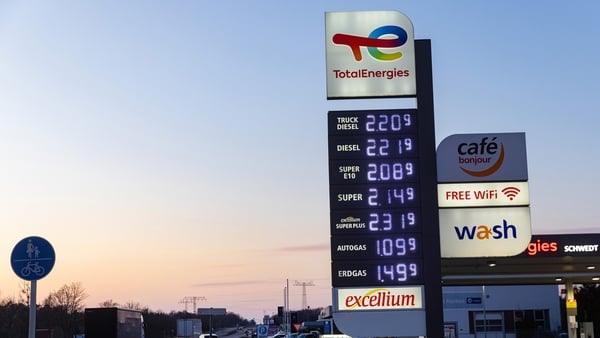
The measures are among a series of fuel-saving policies introduced by national and regional governments around the world, as they scramble to respond to a crisis that is severely impacting supply and costs.
Here are some other initiatives.
Egypt - 9pm business 'curfew’
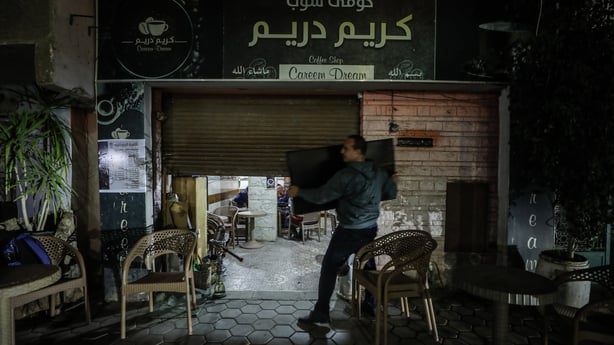
Egypt has ordered shops, restaurants and shopping centres to close from 9pm in an effort to curb energy bills that have more than doubled as a result of the Iran war.
Prime Minister Mostafa Madbouly said the 'curfew', which was introduced on Saturday night, would last for a month initially.
The measures - described by the government as "exceptional" - include dimming streetlights and roadside advertising.
The country has also announced plans to slow down large state projects that involve high fuel and diesel consumption for at least two months.
According to the government, Egypt's monthly energy bill has risen from $560 million (€485m) before the war to $1.65 billion (€1.42bn) currently.
Thailand - 'wear shorter sleeves' and 'take the stairs'
In Thailand, the government is urging civil servants to swap suits for short-sleeved shirts to reduce reliance on air conditioning during warm weather.
Other public measures include suspending overseas trips and encouraging staff to use the stairs instead of elevators.
Earlier in March, the Thai government had introduced fuel price caps - but was forced to reverse the measures on 18 March due to mounting fiscal pressure.
Fuel prices reportedly jumped soon afterwards by 22%.
However, there could be some relief ahead - Thailand said on Saturday that it had reached an agreement with Iran, giving its oil tankers safe passage.
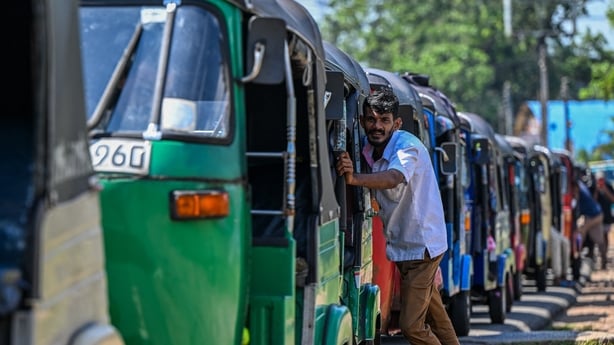
Sri Lanka - four-day week
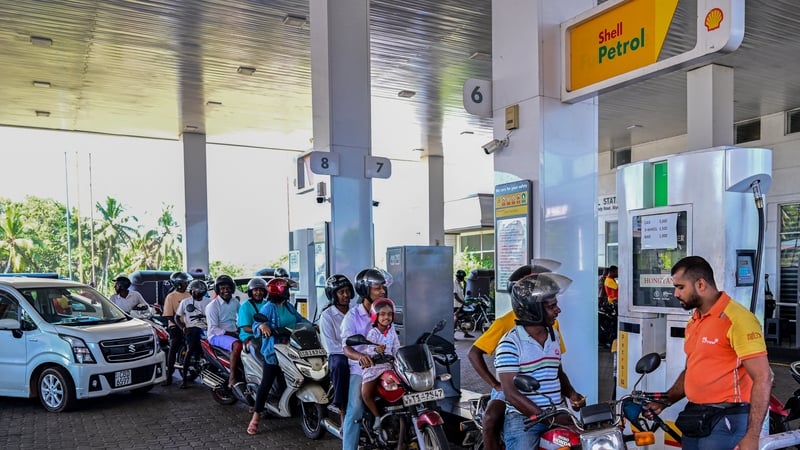
The Sri Lankan government responded to the pressures on fuel resources by declaring every Wednesday a public holiday.
This effectively created a four-day working week for state institutions, schools and universities.
Civil servants are being told to work from home where possible.
South Korea - 'shorter showers' and new charging guidelines
South Korea is urging people to cut energy use by taking shorter showers and limiting the charging of phones and electric vehicles to designated times of the day.
The government is also considering introducing mandatory curbs on the use of private sector vehicles (which are currently voluntary).
It has also announced plans to restart five nuclear reactors by May, while also indicating it may extend the lives of three coal power plants scheduled to close this year.
Although these steps point to a short-term reliance on more traditional energy sources, ministers insist that investment in renewable energy will continue to expand.
Myanmar - car bans on alternate days
Myanmar has introduced sweeping restrictions on the use of private cars.
Under the "even-odd" licensing scheme, which was announced on 7 March, even-numbered plates will only be allowed to drive on even dates, and odd-numbered plates on odd dates.
QR codes are also being used by the ruling military junta to deter multiple daily fuel refills.
The measure has reportedly led to significant congestion at gas stations.
Philippines - 'national energy emergency'
On 24 March, the Philippines became the first country in the world to declare a "national energy emergency" as a result of the war.
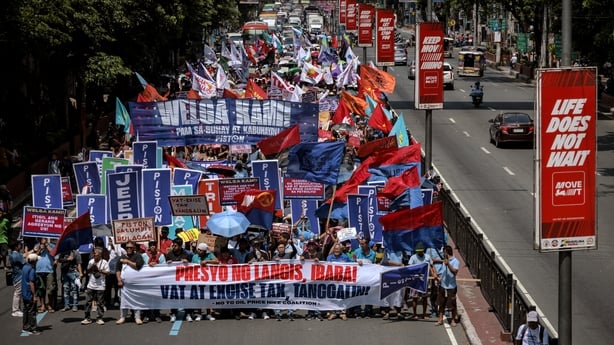
Like many of its south Asian neighbours, it has taken steps such as shortening the work week and providing fuel subsidies to counter the impact of rising costs.
Some of the measures introduced were more controversial.
A ban on a dirtier type of fuel has been lifted temporarily, while the country is also set to import Russian oil this month for the first time in five years.