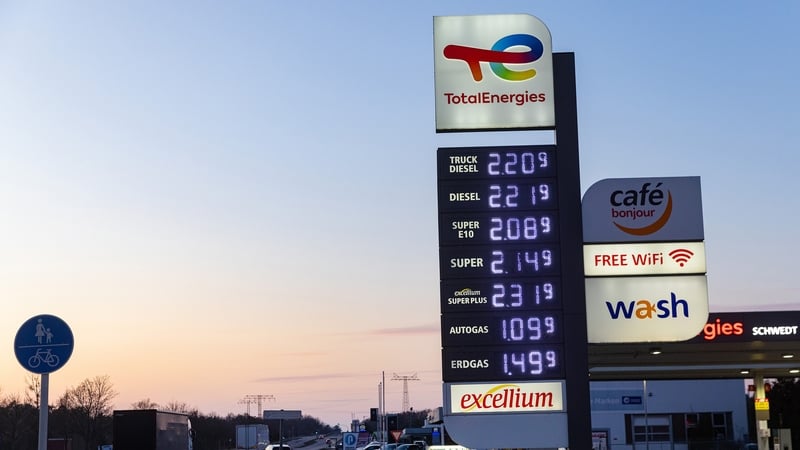

As oil and gas prices surge as a result of the Iran war, countries around the world have been coming under increasing pressure to ease the burden on citizens.
The Government has confirmed it is working on what it described as an "appropriate intervention" to address rising fuel costs - with the measures expected to be finalised at the next Cabinet meeting on Tuesday.
But what steps have other countries taken to support households and businesses?
Here's a flavour from across Europe.
UK
On Monday, UK Prime Minister Keir Starmer announced a £53 million (€61m) package for "vulnerable customers".
The financial support is being targeted at low-income households in rural areas, particularly in Northern Ireland, where a greater proportion of homes depend on heating oil, according to the UK government.
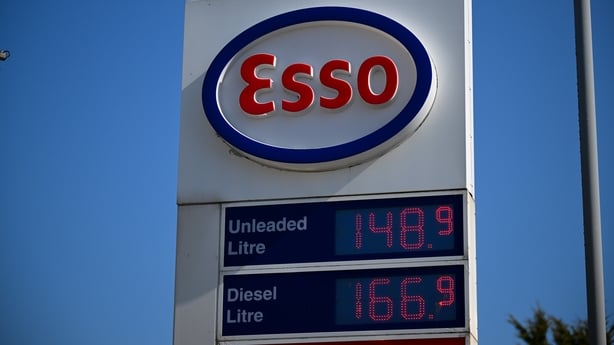
Northern Ireland will receive £17m (€20m), England £27m (€31m), Scotland £4.6m (€5.3m) and Wales £3.8m (€4.4m).
The UK government also confirmed that energy bills will be capped until the end of June.
Hungary
Hungary has introduced one of the most aggressive interventions in Europe so far.
Petrol has been capped at 595 forints (€1.52) a litre, while for diesel it’s 615 forints (€1.57).
The move has been viewed by some analysts as an attempt to win over voters ahead of pivotal elections next month, with polls suggesting Prime Minister Viktor Orbán faces a tough fight to retain power after 16 years.
He has also called on the European Union to suspend sanctions on Russian energy, a request rejected by most EU leaders.
Greece
Last week, Greece announced a three-month cap on profit margins on fuel and certain supermarket products.
The measures include a limit of 12 cents per litre over the wholesale price of petrol and diesel at service stations, while supermarkets will face fines of up to €5m if their profit margins exceed the 2025 average.
When announcing the measures, the country’s Development Minister Takis Theodorikakos said: "Profits are legitimate but profiteering is not"
France
Despite mounting political pressure, the French government said it is not currently considering a new "price shield" for consumers due to budgetary restraints.
However, energy giant TotalEnergies announced a price cap on petrol (€1.99 per litre) and on diesel (€2.09 per litre) as a result of "exceptional market volatility".
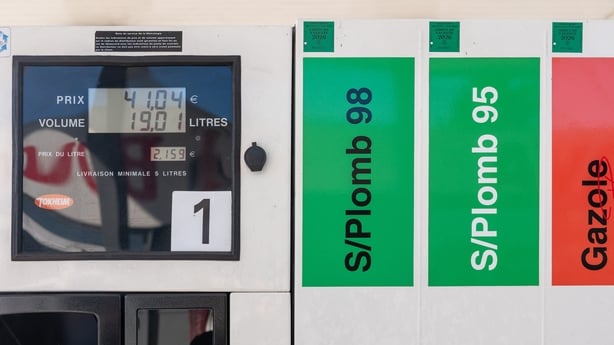
The government also announced that it would be conducting checks on 500 of the country's service stations to "ensure listed prices match those actually charged".
Germany
Germany is moving to cap how often petrol stations can raise prices, under plans signed off by cabinet on 17 March.
From April, only one price rise will be permitted each day, at a fixed time of 12pm.
Companies found to be in breach of the rules could face fines of up to €100,000.
A windfall tax on oil companies is also being considered.
Portugal
Portugal’s government approved a bill yesterday allowing it to temporarily cap electricity prices for households and most businesses.
The mechanism will only be implemented if retail electricity prices rise by more than 70% or surpass €180 per megawatt-hour. Yesterday, it stood at around €37.6 per MWh.
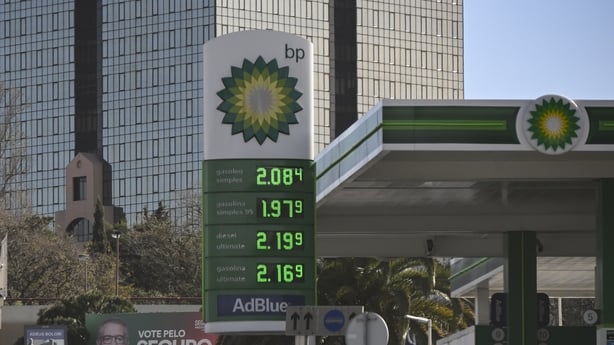
Portugal is less dependent on natural gas for its electricity compared with many European countries.
In the first two months of the year, about 79% of the electricity consumed in Portugal came from renewable sources, according to official data.
Spain
Spain is expected to unveil a package of emergency measures to counter the economic impact later today.
Prime Minister Pedro Sánchez has already confirmed that Spain will delay the presentation of its annual budget - which had been expected at the end of the month - due to what he said was the "urgent matter" of the war.
Read more: Why is diesel so expensive right now?