


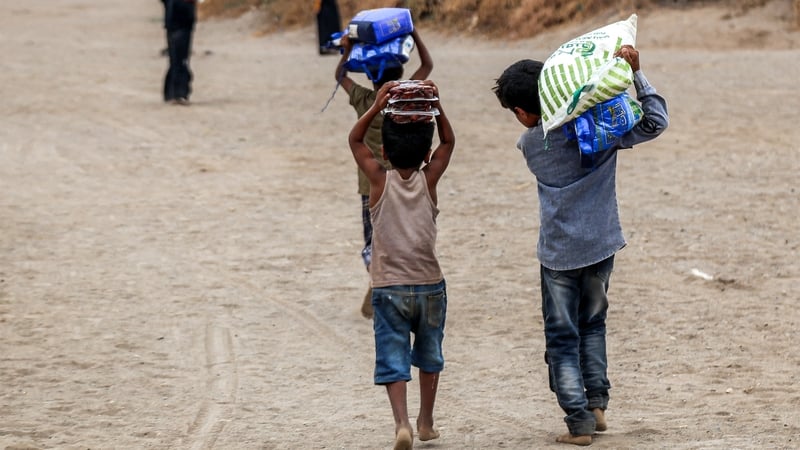
The humanitarian crisis in Yemen is set to get much worse in 2026 as food insecurity increases and international aid evaporates, the United Nations has warned.
Julien Harneis, the UN resident and humanitarian coordinator for Yemen, said he feared the calamitous situation would go under the radar until the death toll mounts.
The picture in Yemen is "very, very concerning", he told reporters in Geneva.
Last year, 19.5 million people in the country needed humanitarian aid - and the UN's response plan for the country was only 28% financed, at €591 million.
"We are expecting things to be much worse in 2026," said Mr Harneis, pointing out that 21 million Yemenis were in need and aid was drying up.
He said food insecurity was increasing, particularly on the Red Sea coast, while the health system, supported by the United Nations and the World Bank for the last ten years, was "not going to be supported in the way it has been in the past".
He said Yemenis would be "very vulnerable to epidemics" this year.
"A humanitarian crisis in Yemen is a risk to the Arabian Peninsula. Cholera, measles and polio cross borders," he warned.
"My fear is that we won't hear about it until the mortality and the morbidity significantly increases this next year," he added.
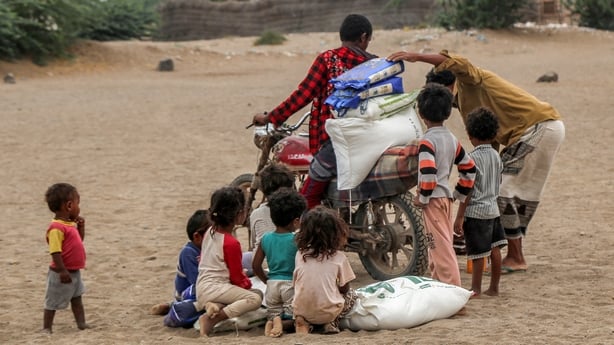
Mr Harneis said the aid focus this year would be on malnutrition, public health and food insecurity.
Under President Donald Trump, the United States has heavily slashed foreign aid and other key donor countries have been tightening their belts.
Mr Harneis said the UN was trying to work with NGOs to see if they could plug any of the gaps.
"Children are dying - and it's going to get worse," he said.
"For ten years, the UN and humanitarian organisations were able to improve mortality and morbidity.
"With the conjunction we're seeing this year, that's not going to be the case. That is the simple story that everybody needs to understand."
