


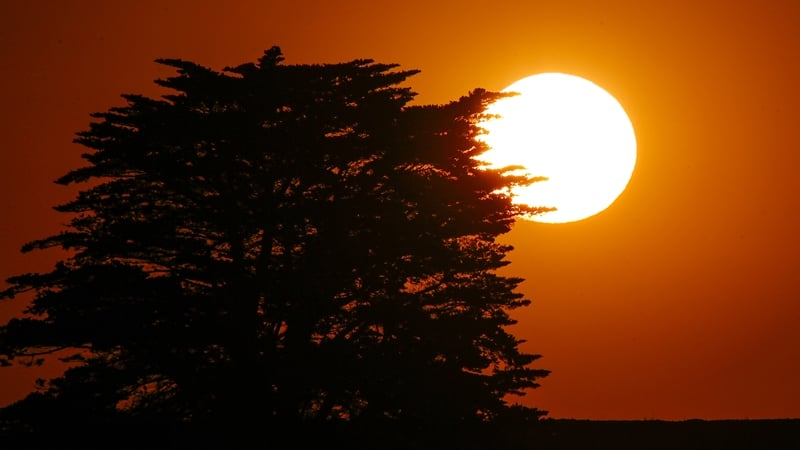
Australia's south sweltered through a brutal heatwave that delivered temperatures above 40 degrees Celsius in some cities, triggering health warnings, straining power grids and causing bushfires to flare.
Meteorologists said the conditions were at their worst in six years, when catastrophic bushfires destroyed wide swathes of southeastern Australia, killing 33 people, in what became known as the Black Summer.
The nation's weather bureau issued severe or extreme heat warnings for the states of New South Wales, Victoria, South Australia and Tasmania. It also warned of extreme fire danger across Victoria and South Australia.
"These elevated fire dangers are being driven by a very hot air mass that extends all the way from Western Australia with maximum temperatures in excess of 45 degrees," said Senior Meteorologist Sarah Scully.
In Victoria, where temperatures reached up to 44C, and 41C in the state capital Melbourne, authorities advised residents to stay indoors and keep hydrated.
Victoria's Emergency Management Commissioner Tim Wiebusch said firefighters were battling several fires across the state and conditions would worsen on Friday.
"We already have a statewide advice warning message out for severe to extreme intensity heatwave, and are now seeing those conditions kick in across the state," he said.
"We are particularly wanting Victorians to make sure they are alert to their conditions, make sure you are staying in cool places."
Temperatures also soared to 31C in Sydney, 32C in Perth and 43C in Adelaide.
Some public spaces like libraries extended their opening hours to help residents stay cool, while others like the Monarto Safari Park were forced to shut for the day. More than 2,000 homes lost power in Adelaide.
"I think psychologically you have to keep calm in the heat and not panic. It’s only two or three days. And then it goes down again," Adelaide resident Valdine Tuckwell told national broadcaster ABC.
