


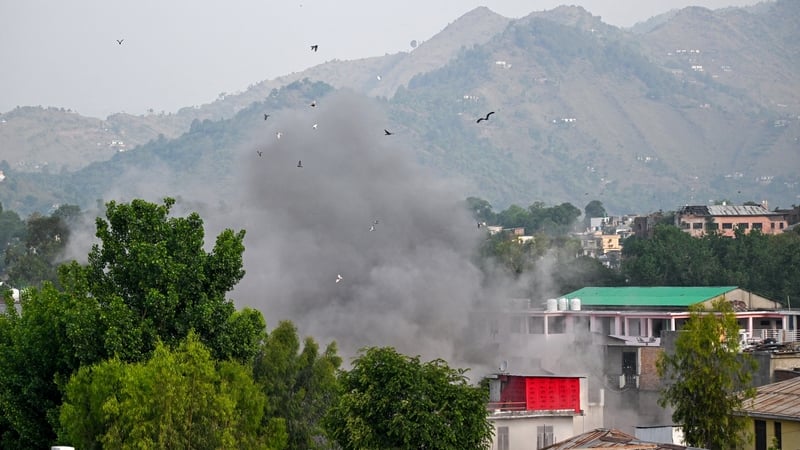
India and Pakistan have exchanged missile and artillery strikes in a major escalation of hostilities between the nuclear-armed neighbours after a deadly attack in disputed Kashmir.
New Delhi blames Islamabad for the militant attack in Indian-administered Kashmir two weeks ago that left 26 civilians dead.
The two sides exchanged threats and diplomatic measures, culminating in Indian missile strikes early this morning local time and a swift vow from Pakistan to "settle the score".
Here is what we know about the crisis, and the background behind it.
What is the latest?
India launched what it called "precision strikes at terrorist camps" in Pakistan-administered Kashmir in the early hours of this morning.
Pakistan says 26 civilians were killed in the strikes on at least six locations and firing along the border.
The targets include locations in Pakistan-administered Kashmir as well as Bahawalpur and Muridke, cities in the country's most populous province of Punjab, bordering India.
Pakistani Defence Minister Khawaja Muhammad Asif told AFP the retaliation had "already started", after the military earlier said it would respond "at a time and place of its own choosing".
India accused Pakistan of firing artillery across the Line of Control (LoC), the de facto border in Kashmir, killing three civilians.
What triggered the crisis?
India was incensed by a 22 April militant attack on tourists in Indian-administered Kashmir, which left 26 people dead, mainly Hindu men, in the tourist hotspot of Pahalgam.
Nobody has claimed the attack, but New Delhi said the gunmen were from Pakistan-based militant group Lashkar-e-Taiba, a UN-designated terror organisation with a history of carrying out attacks on Indian soil.
The group has long been rumoured to have murky links to the Pakistani military establishment -- which Islamabad denies.
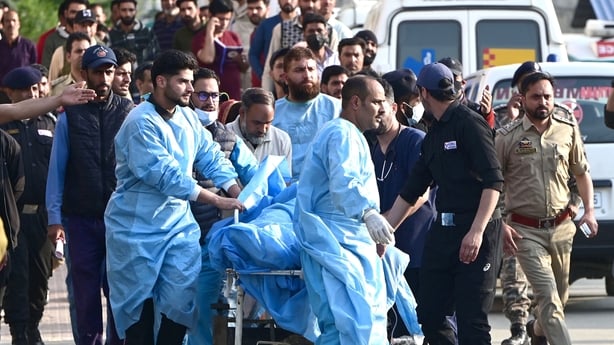
Indian Prime Minister Narendra Modi accused Pakistan of supporting "cross-border terrorism" and gave his military "complete operational freedom" to respond.
The two sides expelled diplomats and last week Pakistan said it had "credible intelligence" India was preparing a military strike.
Who controls Kashmir?
The Himalayan region has been a major bone of contention between India and Pakistan since the two countries were created when British colonial rule ended in 1947.
Kashmir's ruler dithered on whether to join Hindu-majority India or Muslim-majority Pakistan, leading to the first war between the two neighbours.
Further full-blown wars between India and Pakistan over Kashmir followed in 1965 and 1999, punctuated by regular uprisings and border skirmishes in the years between and since.
Both sides control part of Kashmir but claim the territory in full, and keep troops stationed to watch over the LoC.
The two sides came close to another war in 2019 after 41 Indian paramilitaries were killed in a suicide attack blamed on a Pakistani militant group.
How has the world reacted?
Both India and Pakistan boast considerable arsenals of atomic weapons and Kashmir has long been identified as one of the world's most dangerous flashpoints for potential nuclear war.
As a result, there have been pleas for calm and restraint from around the world since the latest crisis erupted with the 22 April attack.
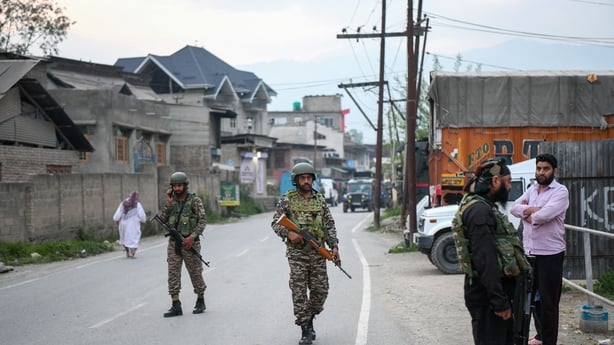
UN chief Antonio Guterres called for "maximum restraint", his spokesman Stephane Dujarric said in a statement.
"The world cannot afford a military confrontation between India and Pakistan," Dujarric said.
US Secretary of State Marco Rubio has spoken with his counterparts from India and Pakistan, encouraging both sides to engage in discussions.
China, a neighbour to both countries and a close ally of Pakistan, expressed "regret over India's military action this morning" and said it was "concerned about the current developments", in a statement from a foreign ministry spokesperson.
Iranian Foreign Minister Abbas Araghchi is expected in New Delhi later today, two days after a visit to Islamabad, as Tehran seeks to mediate.
