

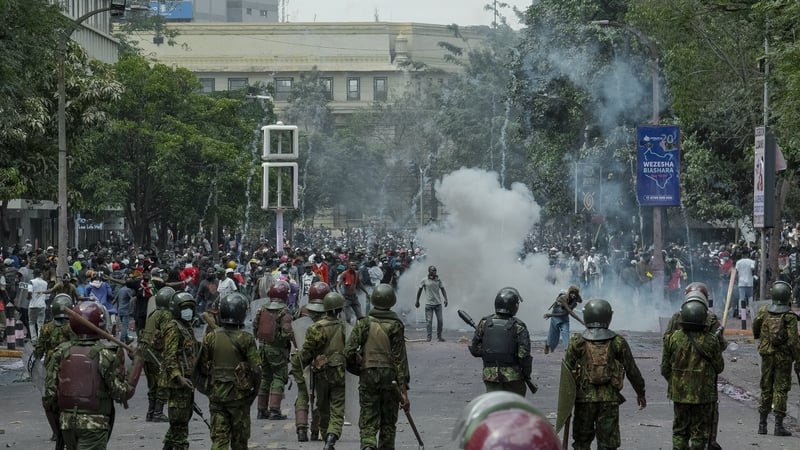
Kenya has been in turmoil since demonstrators first took to the streets four weeks ago to protest against deeply unpopular tax rises.
President William Ruto still has his back against the wall despite a series of measures bowing to the demands of demonstrators in what one Kenyan newspaper trumpeted as "People Power".
Although street protests have eased since dozens of people were killed and parliament stormed in late June, activists are still demanding the president's resignation, with new rallies called for tomorrow using the hashtag "RutoMustGo".
What sparked the protests?
The government was taken aback after small rallies launched on 18 June against the annual finance bill gathered momentum, with thousands of people marching.
The four-trillion-shilling (€28.5 billion) budget was the biggest in Kenya's history and included tax increases on basic necessities such as bread and fuel.
Demonstrators said the measures would hit the poor and working class, already struggling with a cost-of-living crisis.
Mr Ruto and his government defended the move, which would have raised €2.5bn in additional taxes, as necessary to cut Kenya's €72bn public debt and replenish depleted government coffers.
Initially peaceful, the rallies were organised largely online by young Gen-Z Kenyans, without any official leadership.
Tensions escalated in several cities, with the capital Nairobi witnessing the worst of the violence on 25 June, when crowds stormed parliament and police used live bullets on protesters.
How did Mr Ruto respond?
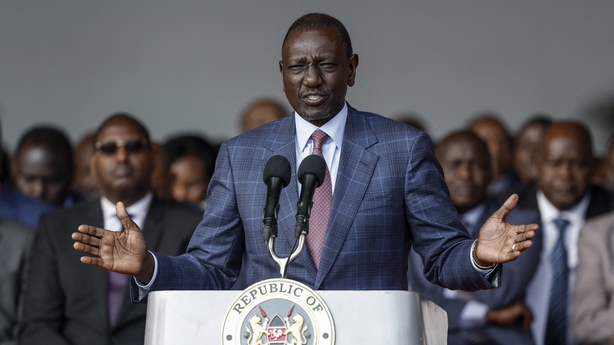
After the bloody mayhem in Nairobi, Mr Ruto vowed to take a tough line over the "treasonous" events, saying the demonstrations were hijacked by criminals - while some activists accused government "goons" of fomenting violence.
But a day later a more conciliatory President Ruto, whose administration is under pressure from the IMF for fiscal reforms, said he was scrapping the finance bill.
Since then, pay rises have been frozen for all public servants, including ministers and MPs, in the face of public outrage over their perceived lavish spending while ordinary Kenyans were told to tighten their belts.
The public wage bill currently eats up about a massive 45% of total government revenues, according to official figures.
Mr Ruto also unveiled further spending cuts to tackle government wastage and compensate for the lost revenue from tax hikes, while warning that borrowing would have to rise.
On 11 July, Mr Ruto announced the immediate dismissal of almost his entire cabinet excluding the foreign minister and deputy president.
He said he plans to set up a "broad-based" government, prompting media speculation of a national unity government with veteran opposition leader Raila Odinga who Mr Ruto narrowly defeated in the 2022 elections.
On 12 July, national police chief Japhet Koome, the target of public anger over alleged police brutality, resigned.
What about justice?
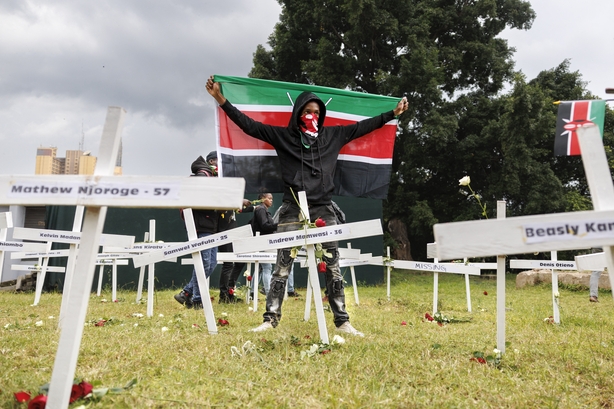
The Kenya National Commission on Human Rights said on 1 July that 39 people had been killed and 361 injured since the protests began, accusing police of using "excessive and disproportionate" force.
The state-funded body also reported 32 cases of "enforced or involuntary disappearances" and 627 arrests of protesters.
It has launched a helpline for people whose loved ones have gone missing since the demonstrations began.
The Independent Police Oversight Authority said on Friday it was looking into a number of complaints of unlawful arrests, abductions and disappearances.
Read more:
Hundreds arrested following Kenya protests
Kenya's president vows response to 'treasonous' protests
