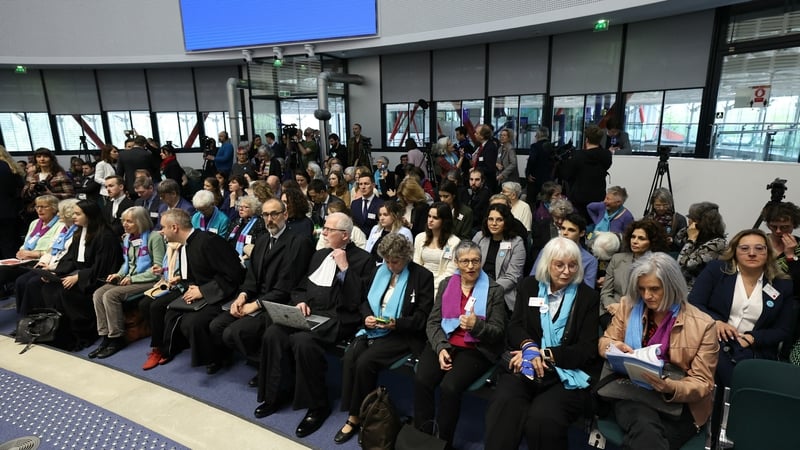
The European Court of Human Rights has ruled in favour of a group of elderly Swiss women who had argued that their government's inadequate efforts to combat climate change put them at risk of dying during heatwaves.
The ECHR ruled that Switzerland's failure to meet past greenhouse gas reduction targets had violated some of their human rights.
The European court's decision on the case, brought by more than 2,000 women, could have a ripple effect across Europe and beyond, setting a binding precedent for how some courts deal with the rising tide of climate litigation argued on the basis of human rights infringements.
However, the Strasbourg-based court threw out two other similar cases, the first brought by six Portuguese youth against 32 European governments and another by a former French mayor against the French government.
The Swiss verdict, which cannot be appealed, could compel the government to take greater action on reducing emissions, including revising its 2030 emissions reductions targets to get in line with the Paris agreement goal of limiting warming to 1.5C.
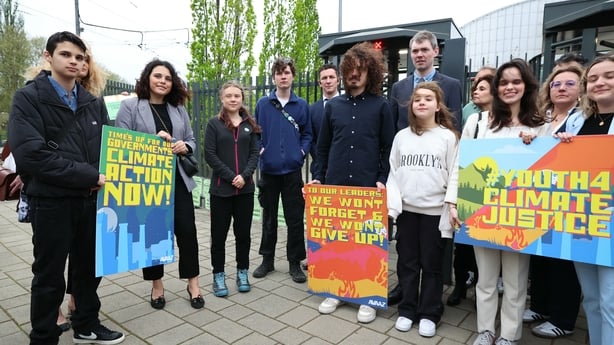
Activist Greta Thunberg said the ruling was "only the beginning".
"This is only the beginning of climate litigation," she said at the ECHR.
"All over the world more and more people are taking their government to court, holding them responsible for their actions."
Earlier, an Irish lawyer who helped the six Portuguese youth bring their action said it was taken on to "supercharge" domestic litigation on the climate change issue.
We need your consent to load this rte-player contentWe use rte-player to manage extra content that can set cookies on your device and collect data about your activity. Please review their details and accept them to load the content.Manage Preferences
Director at Galway's Global Legal Action Network Gearóid Ó Cuinn said the young people involved have had direct experience of climate impacts.
Speaking on RTÉ's Morning Ireland, he said "this has a massive impact on both their physical but also their mental well-being."
Mr Ó Cuinn said the "court will be presented with a unique and the first opportunity to address the climate crisis, which ultimately is the greatest threat to everyone's basic human rights."