


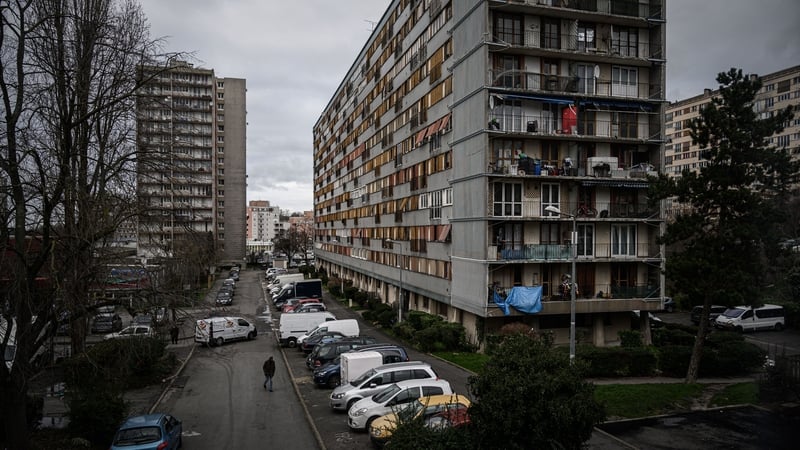
The shooting dead by a French police officer of 17-year-old Nahel M has lit a fire under longstanding grievances about police brutality and racial profiling in the country's multi-ethnic housing estates.
Here are some key figures about France's poorest neighbourhoods.
5.2 million
Number of people living in 1,514 disadvantaged districts in 859 towns and cities in France and its overseas territories (8% of the population), according to national statistics agency INSEE.
23.6%
Proportion of residents of the poorest neighbourhoods in mainland France in 2021 who were born outside the country, compared with 10.3% on average nationwide, according to INSEE.
In the Seine-Saint-Denis area northeast of Paris, France's poorest, which is home to numerous high-rise estates, the proportion of immigrants stood at 30.9% in 2020.
13,770
Median disposable income in euros of households in these districts, compared to €21,730 in the rest of mainland France, according to the most recent figures of the National Observatory of Urban Policy.
56.9%
Percentage of children living in poverty in 2020, compared to 21.2% in the rest of mainland France.
18.6%
Unemployment rate in 2020 in disadvantaged neighbourhoods, according to INSEE, over twice the national average of 8%.
20
Number of times more likely a young black or Arab-origin man is to be stopped by police and asked for ID compared to the average French person, according to the human rights ombudsman in 2017.
48%
Proportion of eligible voters from the poorest neighbourhoods who did not register to vote or did not cast a ballot during the first round of the 2017 presidential election, compared with a national average of 29%, according to the Institut Montaigne think tank.
9,300
The number of young people from these districts who volunteered in 2021 for a new national service introduced by President Emmanuel Macron for 15-24 year olds, representing 12.5% of all the participants.
37,386
Number of businesses started in 2021 in Seine-Saint-Denis, making it one of France's most entrepreneurial regions, according to INSEE.
The number has more than doubled since 2012, when 15,216 new businesses were registered.
12 billion
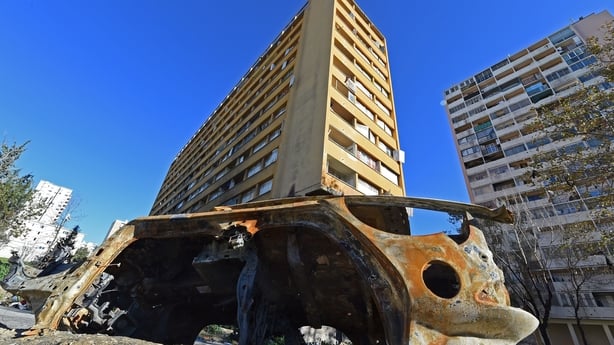
Euros spent by France's National Urban Regeneration Agency between 2004 and 2020 on tearing down old tower blocks in troubled estates and replacing them with smaller apartment complexes.
The French government plans to spend an additional €12bn on programmes like these by 2030.
