


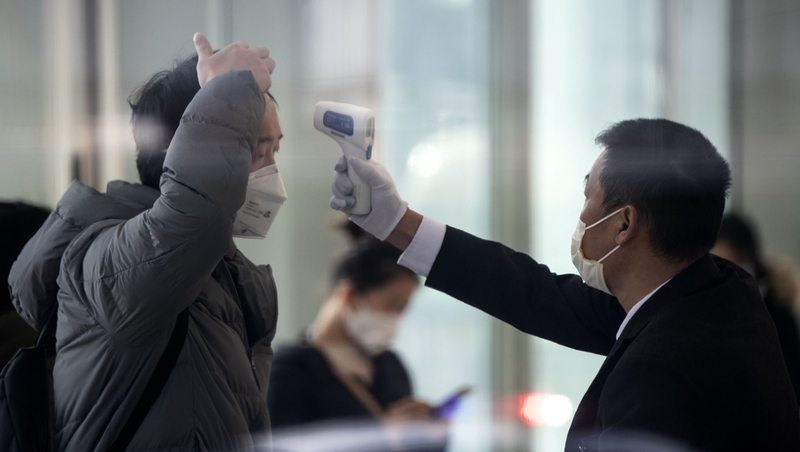
Workers have begun heading back to offices and factories around China as the country's government eased some restrictions on working in the wake of the coronavirus epidemic.
The virus has now killed more than 1,000 people, mostly on the Chinese mainland, while yesterday’s death toll of 97 was the largest in a single day since the outbreak was first detected.
Across mainland China, there were 2,478 new confirmed infections, bringing the total number so far to 42,638, according to the National Health Commission (NHC).
The epidemic has caused huge disruptions in China with usually teeming cities becoming virtual ghost towns during the past two weeks, as Communist Party rulers ordered virtual lockdowns, cancelled flights, closed factories and shut schools.
Authorities had told businesses to tack up to ten extra days onto Lunar New Year holidays that had been due to finish at the end of January.
Even this morning, a large number of workplaces will remain closed and many white-collar workers will continue to work from home.
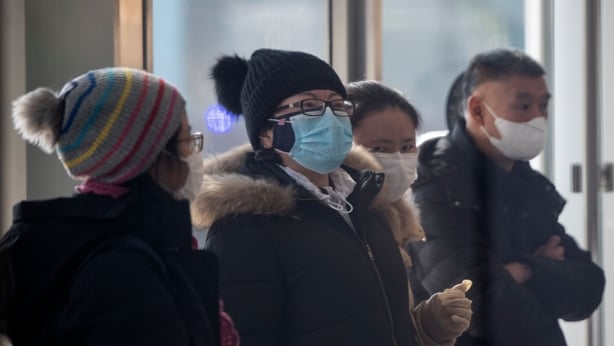
On one of the usually busiest subway lines in Beijing, trains were largely empty. The few commuters sighted during peak-hour morning traffic were all wearing masks.
Hubei, the province hit hardest by the outbreak, remains in virtual lockdown, with its train stations and airports shut and its roads sealed off.
Some restrictions on people entering and leaving residential compounds are in place in many other cities across China, and schools in many regions will be shut through the end of February.
The extended closure of factories in the world's second-largest economy has raised concerns for global supply chains.
An advance team of international experts led by the World Health Organization (WHO) is heading for Beijing to help investigate the epidemic.
Read More:
Coronavirus 'serious and imminent threat' to public health - UK
Fourth person tests positive for coronavirus in UK
WHO director-general Tedros Adhanom Ghebreyesus, who made a trip to Beijing for talks with President Xi Jinping and Chinese ministers in late January, returned with an agreement on sending an international mission.
But it has taken nearly two weeks to get the government's green light on its composition, which was not announced, other than to say that WHO veteran Dr Bruce Aylward, a Canadian epidemiologist and emergencies expert, was heading it.
The WHO declared the outbreak a global emergency on 30 January, days after the Chinese central government imposed a lockdown on 60 million people in Hubei province.
The death toll from the outbreak in mainland China rose by 97, the largest in a single day so far, to 908 as of the end of Sunday.
Over the weekend, an American hospitalised in the central city of Wuhan became the first confirmed non-Chinese victim of the disease. A Japanese man who also died there was another suspected victim.
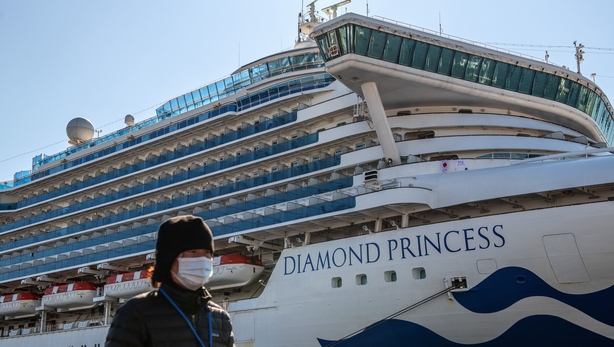
The virus has also spread to at least 27 countries and territories, according to a Reuters count based on official reports, infecting more than 330 people.
Two deaths have been reported outside mainland China - both of Chinese nationals.
The latest patients outside China include a group of British nationals staying in a mountain village in Haute-Savoie in the Alps, French health officials said, raising fears of further infections across Europe.
