


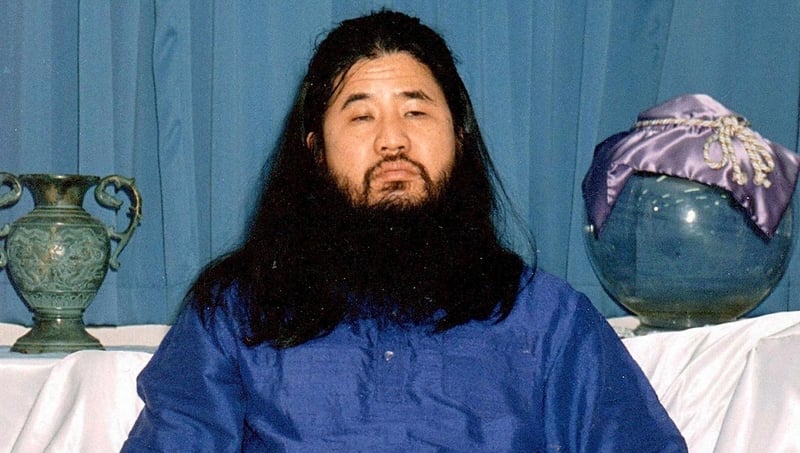
Shoko Asahara, the leader of the Japanese doomsday cult that carried out a deadly 1995 sarin attack on the Tokyo subway, has been executed along with six of his followers.
The leader of the Aum Shinrikyo sect had been on death row for more than a decade over the attack, which shocked the world and prompted a massive crackdown on the cult.
The executions are the first in connection with the nerve agent attack, which killed 13 people and injured thousands more. A further six cult members remain on death row.
Some of those affected by the attack welcomed news of the executions.
"When I heard the news, I reacted calmly ... But I did feel the world had become slightly brighter," said Atsushi Sakahara, a film director who was injured in the attack at Tokyo's Roppongi station.
The attack paralysed the Japanese capital, turning it into a virtual war zone as injured people staggered out of the underground struggling for breath and with watering eyes.
Some keeled over, foaming at the mouth, with blood streaming from their noses, as the rush-hour attack unfolded.
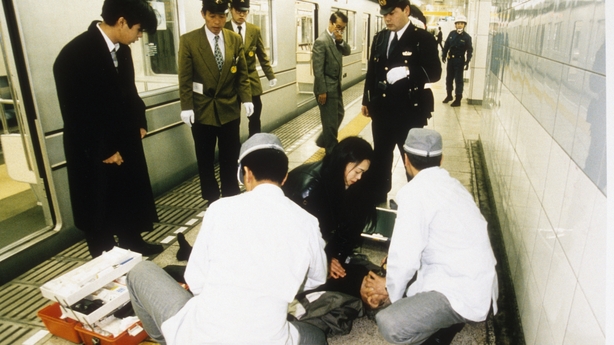
The sarin had been released in liquid form on five subway carriages at different points throughout the network.
The first sign of it was a smell similar to paint thinner, but soon commuters began cough uncontrollably, recalled Sakae Ito, who was on the crowded Hibiya line that day.
"Liquid was spread on the floor in the middle of the carriage, people were convulsing in their seats. One man was leaning against a pole, his shirt open, bodily fluids leaking out."
Police were first alerted just after 8am and panic soon set in, with subway workers screaming at people to evacuate and passengers convulsing on carriage floors.
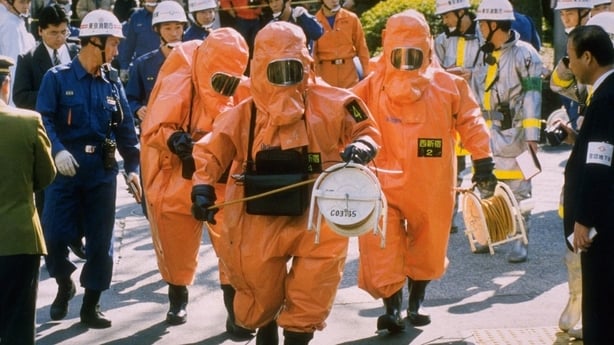
The Japanese Self-Defence Force was called in and arrived in hazmat suits and gas masks to assist the injured and deal with the poison.
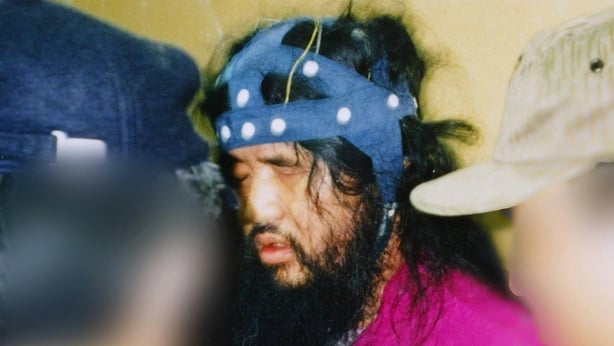
Though concerns about the Aum had already been raised, the attack prompted a crackdown on the cult's headquarters and the arrest of Asahara and other group members.
He was sentenced to death after a lengthy prosecution during which he regularly delivered rambling and incoherent monologues in English and Japanese.
Born Chizuo Matsumoto in 1955 on the southwestern island of Kyushu, Asahara changed his name in the 1980s when the Aum cult was being developed.
Virtually blind, he was seen as a charismatic speaker who cloaked himself in mysticism to draw recruits to the doomsday cult.
The Aum cult, now renamed Aleph, officially disowned Asahara in 2000, but it has never been banned and experts say the former guru retained a strong influence, with some members using pictures of him and recordings of his voice for meditation.
Despite the horror that persists over the Aum's subway attack and other crimes, some experts had warned against the execution of Asahara and his acolytes.
They fear his death may trigger the naming of a new cult leader, possibly his second son.
