
PSNI requests to access solicitors' phone data in respect of a murder appeal may have breached international norms on lawyer/client privilege, the UN has said.
It has intervened in the case of two Belfast solicitors who were subjected to unlawful surveillance by the PSNI.
It has issued a formal communication to the UK government seeking action on the cases of Peter Corrigan and Darragh Mackin.
PSNI chief constable Jon Boutcher apologised to the two men in September last year following an independent review which established that detectives had unlawfully sought their phone data.
The two solicitors were part of the legal team appealing the convictions of two men found guilty of the murder of PSNI officer Stephen Carroll in a dissident republican gun attack in Lurgan in 2009.
The concerns about the case were raised by two UN special rapporteurs.
They are Margaret Satterthwaite, the UN special rapporteur on the Independence of Judges and Lawyers and Ana Brian Nougreres, the UN special rapporteur on the Right to Privacy.
In their letter to the UK government, the two UN representatives said they wanted to "express their concern regarding indications of a pattern of communications data authorizations that seem to coincide with Mr Mackin and Mr Corrigan's representation of clients bringing allegations against the PSNI".
They said lawyers should be able to go about their work without hindrance or "improper interference".
They also raised concerns that the authorisations for phone data appeared to infringe internationally accepted norms on lawyer/client confidentiality and legal privilege.
The British Government was given 60 days to respond prior to publication of the concerns.
Mr Corrigan said the UK had failed to engage and they would now be taking other legal steps including a possible civil action against the PSNI.
The rapporteurs have asked the British government to tell the two solicitors why they were surveilled, when and for how long, and what has been done with the data collected.
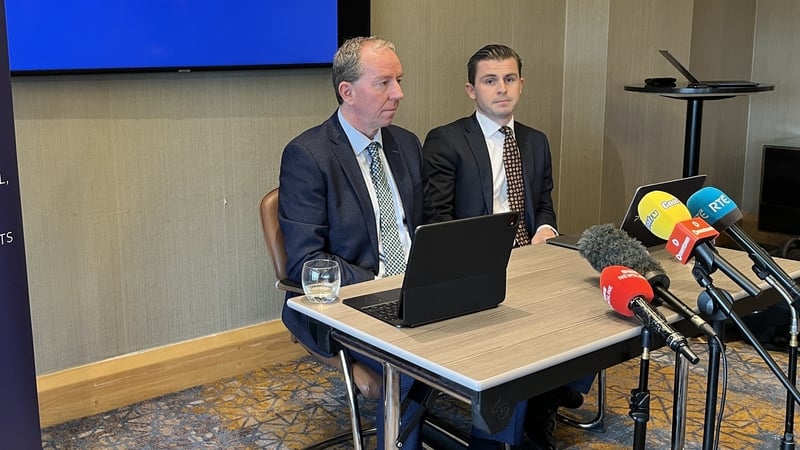
"Today's news that the UN Special Rapporteurs have issued a communication is a welcome step in supporting us as lawyers following the unlawful spying by the PSNI," Peter Corrigan said.
"The police are entrusted to uphold the law, but instead they have broken the law.
"Our families and our rights were expendable, as simple pawns in their wider game, of achieving convictions and winning cases at all costs."
Darragh Mackin said it was important to lay down a marker about unacceptable police surveillance.
"Today’s communication is a landmark indication that the International Human Rights Community will no longer sit back and tolerate misuse of state powers deployed in a 'reprisal’ against lawyers simply by virtue of the cases they bring."
The McCullough Review was commissioned by the PSNI Chief Constable in 2024 following concerns about covert PSNI surveillance of journalists and lawyers.
It found 21 instances where journalists phone data had been sought in an attempt to identify the source of certain stories.
The McCullough Review found no evidence of "systemic or widespread use of covert measures being deployed by the PSNI against journalists, lawyers or others of 'special status'".
But human rights organisations and others said the report was far from a "clean bill of health" for the PSNI.