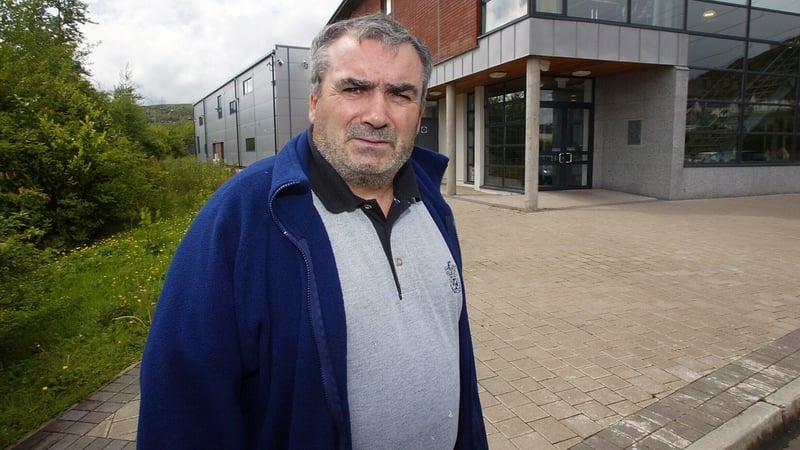

A cross-party group of MPs has called on the British government to name the former British army agent known as Stakeknife, saying it would be "appropriate, proportionate and strongly in the public interest".
He is widely understood to have been west Belfast man Freddie Scappaticci, who is now dead.
That is because the British government adheres to a policy of Neither Confirm Nor Deny (NCND) when it comes to agents and refused the necessary authorisation.
The Kenova Report found that Stakeknife had worked for army intelligence and MI5, at the heart of the IRA's internal security unit.
Its job was to root out informers in the ranks.
Kenova linked Stakeknife to 14 murders and 15 abductions. It found that his activities had probably cost more lives than his information had saved.
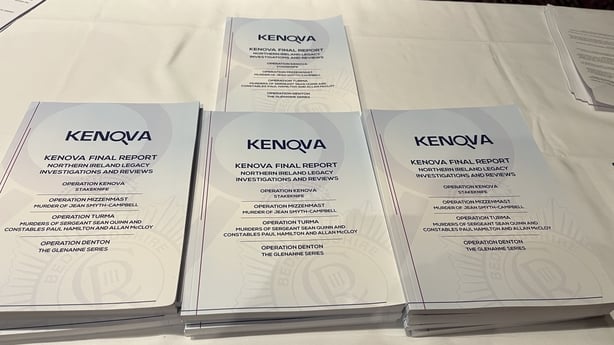
In a report published today, the Northern Ireland Affairs Committee said it believed confirming that Stakeknife was Scappaticci would be "strongly in the public interest".
The MPs said they believed doing so would help build trust and confidence in agencies of the state.
The findings of the Northern Ireland Affairs Committee were welcomed by both PSNI Chief Constable Jon Boutcher and Iain Livingstone, the head of Kenova.
Mr Livingstone said the report provided welcome support for his own calls for Stakeknife to be named.
"As I made clear in the final Kenova Report, we believe there is a compelling ethical case to reveal Stakeknife's true identity," he said.
Mr Boutcher said it would bring "much needed closure to many victims and families".
Mr Boutcher previously said that if Stakeknife had been a police agent, he would have agreed to name him.
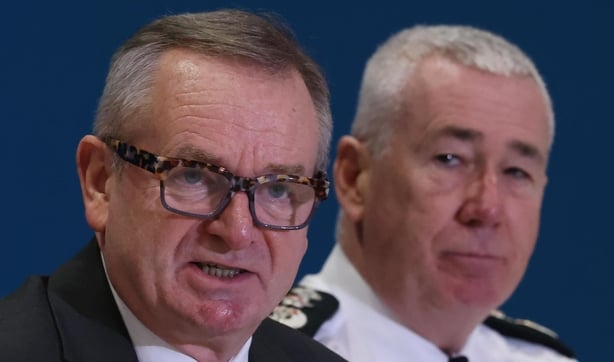
The Northern Ireland Affairs Committee took evidence from Mr Livingstone and Mr Boutcher who had previously run the Kenova investigation.
Committee Chair Tonia Antoniazzi MP said they had been given reassurances that naming the former agent would not jeopardise current agents or impede the recruitment of future ones.
"By naming Stakeknife, the government can send a strong signal that agents who cross a line will not receive the protection of anonymity and help to build trust and confidence across all communities in Northern Ireland," she said.
In December, Northern Secretary Hilary Benn said the British government would review its decision on the naming of Stakeknife following a decision of the Supreme Court in a legacy case which centred on the right of families to be given the gist of information in intelligence files linked to their cases.
The Northern Secretary appealed the case to the UK's highest court because he held that disclosing intelligence documents ran contrary to the NCND policy.
The Supreme Court upheld his appeal.