
A major new campaign has been launched aimed at reducing the number of work-related deaths and injuries among older farmers in Northern Ireland.
More than 40 farmers aged 60 and over were killed in accidents during the past ten years, and hundreds of others were injured, many of them seriously.
Farming gets riskier with age as strength, balance and reaction times diminish.
A new Farm Safety Partnership ad campaign highlights the dangers and urges older farmers to factor in the impact of age.
With more than 25,000 farms in Northern Ireland, the average age of a farmer is 55 and 80% of them are men.
The campaign, Farm Wiser to Farm Longer, is supported by the Health and Safety Executive and Stormont's department of agriculture.
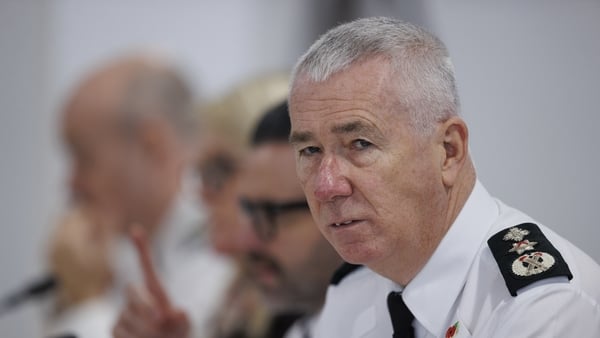
"Our message to older farmers is not to stop what they're doing, but to adapt to protect themselves and avoid preventable accidents," said Bryan Monson, Deputy Chief Executive of Northern Ireland's Health and Safety Executive.
"Experience increases with age, but so does risk. As well as the normal risks of working with farming machinery and vehicles, working at heights and with livestock, as we get older, balance, strength and reaction times can change.
"This means that tasks that once felt routine can become much more dangerous.
"We see too many accidents on farms. For every fatality we see each year there's probably between eight and 15 really serious injuries. These are things that are very difficult to recover from and that will potentially stop a farmer farming in the future."
Mr Monson said the problem is worsening because growing numbers of farmers are having to work well beyond normal retirement age.
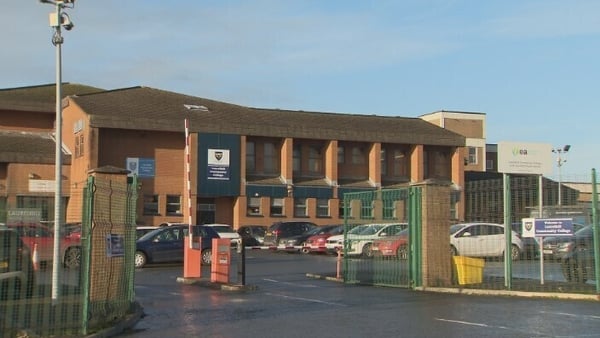
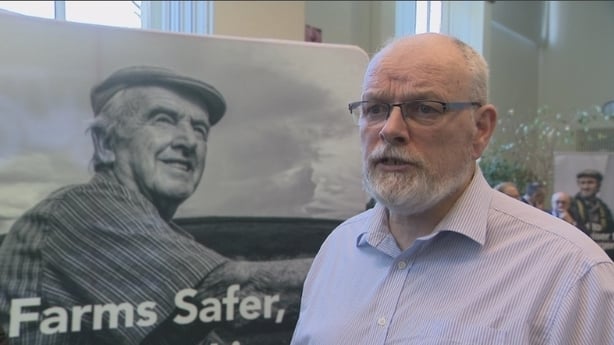
Dozens of farmers gathered at Greenmount College of Agriculture in Co Antrim this week for the launch of the campaign.
A rural GP spoke of how age increases the likelihood of falls for many of her patients from farming backgrounds.
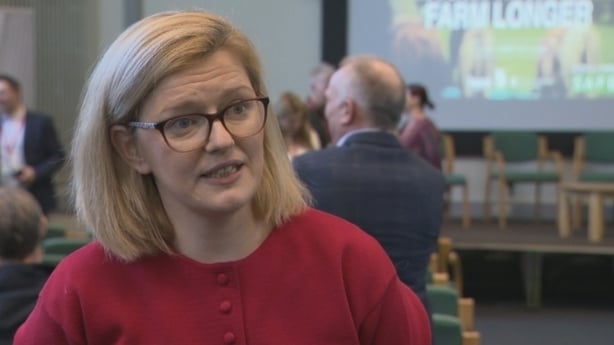
Dr Rebecca Orr, chair of the Northern Ireland Agri-Rural Health Forum, said she deals with many serious bone injuries among older farmers.
"Typically hip injuries, falling over you might fracture a hip, and wrist injuries from stretching out hands to break a fall," she explains.
"Age also affects recovery because it normally takes a bit longer when people are older, that's just the way our bodies are.
"We also typically see complications from wound injuries whenever you're older, so wound infections maybe take a little longer for the skin to repair."
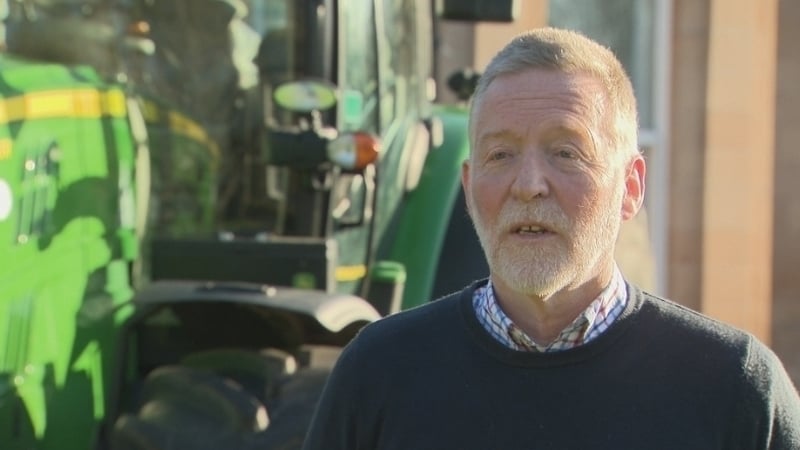
Richard Halleron, 67, a journalist and experienced farmer in south Antrim, recalled a serious accident last year when a five-day-old calf he was about to tag bolted and trapped his leg under a fence.
Badly damaged ligaments and tendons left him in serious pain and unable to walk properly for seven months, and he could not drive for a month.
"I just didn't see it coming. It was the kind of thing I'd done hundreds of times over the years and instead of waiting for help from my son I just decided I'd go ahead and do it on my own," he explains.
"I just can't explain the pain that went through my foot, ankle and lower leg. I was in pain and had very restricted mobility for seven months, it was terrible."
The incident has changed the way he farms, and left him with a lingering fear of some things he did without a second thought for decades.
"I wouldn't go near the handling of any animal now, irrespective of its age, without putting it up into the crush, I just wouldn't take the risk," he said.
"I've cattle wintered this winter, they're in a shed. I actually feel I still have this legacy fear of actually going in with them because I'm aware of what a five-day-old calf did to me, the pain and annoyance it caused me.
"I've also learned that trying to do things on your own doesn't always work because the temptation is always there to cut corners, and I now know the potential consequences of that."