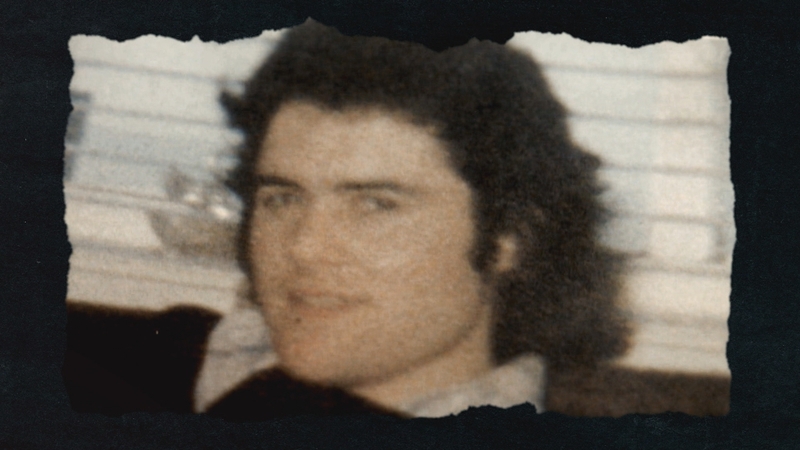

There was ample time and opportunity to save the life of an IRA man who was accused of informing and shot dead by the organisation, his family has said.
Michael Kearney was found dead on the Fermanagh border on 11 July 1979.
The IRA later issued a statement accepting that he had not passed information and that it had shot him in the wrong.
His case was one of those investigated by the Kenova Inquiry which issued its interim findings last week.
It focused on the activities of a double agent at the head of the IRA unit responsible for hunting down informers in the ranks.
He is widely reported to have been Freddie Scapatticci who died in England last year, having fled Belfast after being publicly outed as an agent.
The Kenova Inquiry found that lives could have been saved, but that the UK authorities sometimes chose not to intervene in order to protect informers working with them.
The Kearney family has now had a detailed briefing from the Operation Kenova team on the precise circumstances of their brother's death.
They learned that he had been handed over to the IRA's so-called Internal Security Unit on 27 June 1979, just over a fortnight before he was killed.
Two days later the first report was received from an informer, warning that he was to be executed.
Over the course of the next two weeks two separate agents on three different occasions told British Military Intelligence and the RUC Special Branch that Michael Kearney had been taken to the Republic of Ireland and was to be shot.
In a statement the Kearney family said they were grateful for the "impartiality of their thorough investigation".
"Operation Kenova have stated to the Kearney family that there was ample time and opportunity to save Michael's life."
The family said that they had not expected prosecutions but the record would now show that those responsible for killing their brother had been "agents of the state".
Operation Kenova: Shadowy world of intelligence and the 'Dirty War'