



UN atomic watchdog chief Rafael Grossi has called for "maximum military restraint" after a string of powerful explosions occurred near Ukraine's Russian-controlled Zaporizhzhia nuclear plant this week.
Europe's biggest nuclear plant has been at the centre of fighting since it was captured by Russian forces in March 2022, and both Moscow and Kyiv have accused each other of compromising its safety.
Experts from the International Atomic Energy Agency (IAEA) "stationed at the Zaporizhzhia plant reported hearing explosions every day over the past week, including one late last Friday that appeared to occur close to the plant," Mr Grossi said in a statement.

Yesterday, there were also several blasts, including an "unusually loud one, indicating very close proximity to the site," Mr Grossi said.
The large blast was part of what plant authorities described as "field training", but with no shelling of the plant nor any damage to it.
This week's "powerful explosions shook windows" at the Zaporizhzhia plant, which Mr Grossi warned were "underlining the urgent need for maximum military restraint to reduce the danger of a nuclear accident".
The origin or direction of all other blasts - except yesterday's large explosion - could not be "conclusively determined", the statement added.
Moreover, the IAEA was told that a mine exploded outside the site perimeter yesterday.
"I remain deeply concerned about the nuclear safety and security situation" at Zaporizhzhia, Mr Grossi said.
"The reports of our experts indicate possible combat action not far away from the site."
He also urged that the plant's back-up power line for off-site power should become "available again as soon as possible".
IAEA officials have been on the ground monitoring the plant since September 2022.
The six reactor units, which before the war produced around a fifth of Ukraine's electricity, have been shut down.
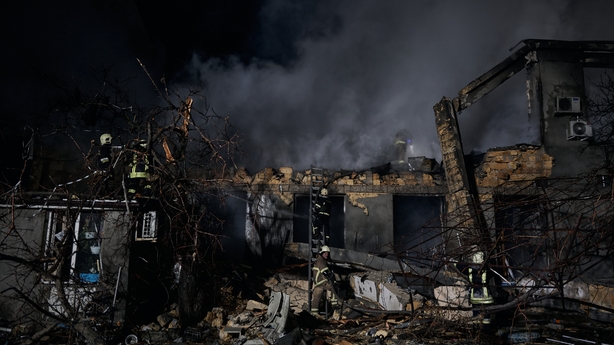
Separately, a Russian drone hit a commercial area in Ukraine's Black Sea port of Odessa, killing one person, with others possibly still trapped under rubble, the Ukrainian military said.
The military's Southern Forces, in a post on the Telegram Messaging app, said it had intercepted nine drones, but one of them struck an area near the port and triggered a fire.
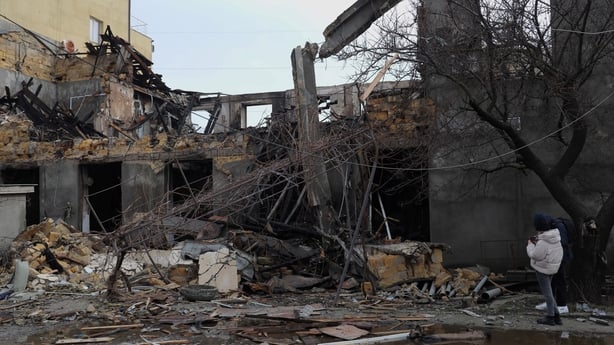
Firefighters recovered one body and said other residents might still be under the rubble as emergency teams worked to bring the blaze under control.
A female security guard was rescued unharmed from a building, the post said.
The military said missiles were also used in the attack, but they had failed to hit any targets.
Pictures posted by the military show heavy damage to buildings in the area and rescue teams making their way through debris.
In the central city of Dnipro, a Russian drone hit a multi-storey apartment building, injuring four people, the regional governor said.
Serhiy Lysak, governor of Dnipropetrovsk region, wrote on Telegram that search operations were proceeding through the night and other residents might still be under rubble.
