


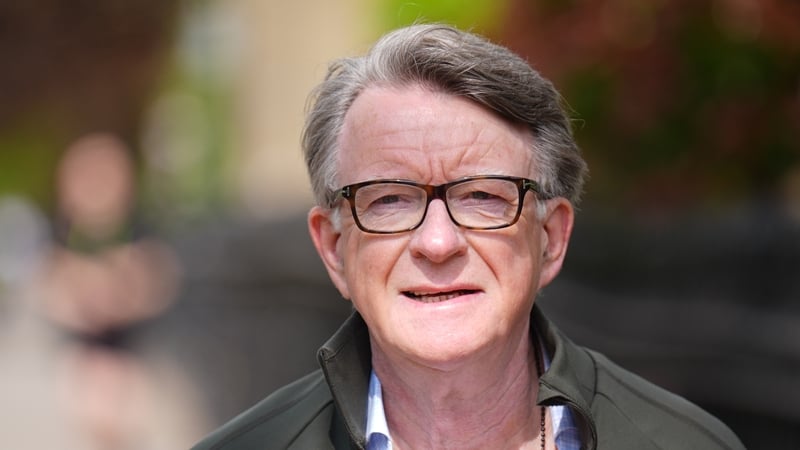
The British government is braced for further embarrassment as hundreds of documents covering Peter Mandelson’s appointment and activities as ambassador to the US are expected to be published this afternoon.
The massive release of files is the second relating to Prime Minister Keir Starmer’s decision to give the prestigious Washington job to Mr Mandelson rather than a career diplomat.
Cabinet minister James Murray said there would be an "unprecedented" volume of information given to parliament.
Officials have compared the scale of the effort examining documents related to Mr Mandelson to the sifting and disclosure of information to the UK Covid-19 Inquiry.
The release is thought to be the second largest publication to the House of Commons in history.
MPs voted in February to demand ministers publish a wide range of documents relating to the appointment using an archaic parliamentary procedure known as a "humble address".
The vote followed the launch of a police investigation into Mr Mandelson and concerns about the vetting process involved in his appointment.
A first tranche of documents, released in March, showed Mr Starmer was warned of a "general reputational risk" because of Mr Mandelson’s connection to the late paedophile financier Jeffrey Epstein.
The second set of documents is expected to include messages between Mr Mandelson and ministers and government advisers, including Mr Starmer's former chief of staff, Irish man Morgan McSweeney.
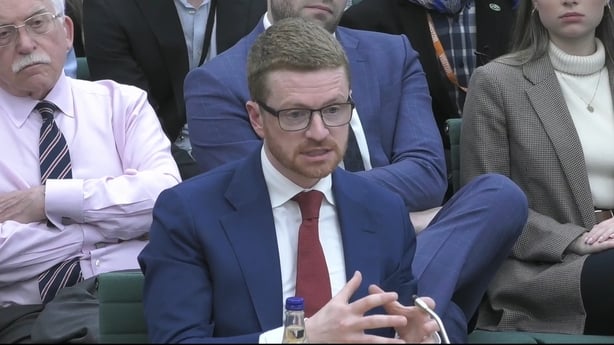
Former health secretary Wes Streeting has already published his own messages with Mr Mandelson, including discussion over Gaza and criticisms of Mr Starmer's leadership.
But reports suggest it will not include Mr Mandelson’s UK Security Vetting (UKSV) summary after the Metropolitan Police asked the government to withhold the document to avoid jeopardising its investigation into alleged misconduct in public office by Mr Mandelson.
UKSV recommended against granting Mr Mandelson security clearance, but top Foreign Office official Olly Robbins overruled that advice.
Mr Robbins was effectively sacked in April after it emerged he had overruled the advice, with Mr Starmer insisting he was unaware of UKSV’s recommendation.
The government has said it has only withheld documents where requested by the police, and all other documents will be published.
Several documents have also been redacted, either to remove personal details such as the names of junior officials, or on national security grounds.
