

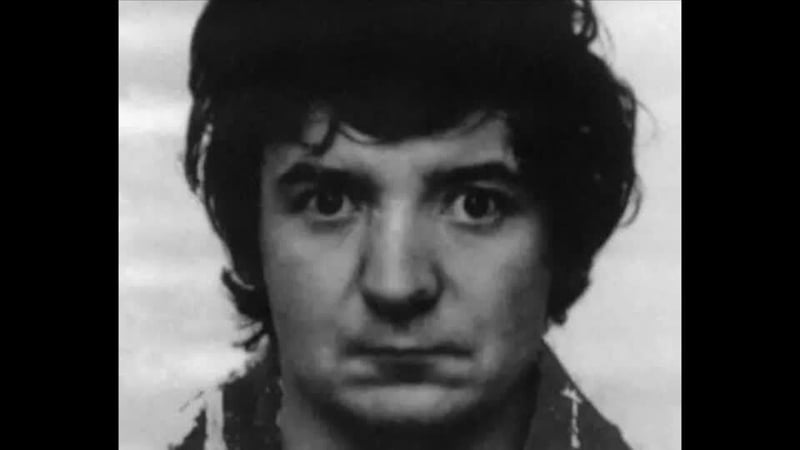
A 68-year-old man has said he is "not angry" and "not bitter" after the British Court of Appeal quashed his murder conviction, after spending 38 years in prison in the UK.
Peter Sullivan, who was jailed in 1987 for the murder of Diane Sindall, described what happened to him as "very wrong" but said the ruling did not "detract or minimise" a "heinous and most terrible loss of life".
Mr Sullivan was aged 30 when he was sentenced to life with a minimum term of 16 years after being found guilty of the 1986 murder of 21-year-old Ms Sindall in Bebington, Merseyside, but remained in prison for almost four decades.
Three senior judges have quashed his conviction after his case was referred to the Court of Appeal by the Criminal Cases Review Commission, following new DNA evidence.
It follows two previous attempts to overturn the conviction, the first of which came in 2008.
In their ruling, Justice Holroyde, sitting with Mr Justice Goss and Mr Justice Bryan, said the new evidence meant it was "impossible to regard the appellant's conviction as safe".
"We've got Peter back, and now we've got to try and build a life around him again."
In a statement read out by his solicitor following the judgment, Mr Sullivan said: "What happened to me was very wrong, but it does not detract or minimise that all of this happened off the back of a heinous and most terrible loss of life."
He continued: "I'm not angry, I'm not bitter."
Speaking to reporters outside the court in London, Mr Sullivan's sister, Kim Smith, said: "We lost Peter for 39 years and at the end of the day it's not just us, Peter hasn't won and neither has the Sindall family.
"They've lost their daughter, they are not going to get her back.
"We've got Peter back, and now we've got to try and build a life around him again.
"We feel sorry for the Sindalls, and it's such a shame this has had to happen in the first place."
We need your consent to load this rte-player contentWe use rte-player to manage extra content that can set cookies on your device and collect data about your activity. Please review their details and accept them to load the content.Manage Preferences
Mr Sullivan, who is now set to be released from prison, attended the hearing via video link from HMP Wakefield and wept and held his head in his hands as his conviction was quashed.
Ms Sindall had been returning home from work as a barmaid when she was beaten to death and sexually assaulted, with her body left partially clothed and mutilated.
During the hearing, lawyers for Mr Sullivan told the court that the new evidence showed that Ms Sindall's killer "was not the defendant".
Barristers for the Crown Prosecution Service told the court that there was "no credible basis on which the appeal can be opposed" related to the DNA evidence, as it was "sufficient fundamentally to cast doubt on the safety of the conviction".

Merseyside Police said the vital DNA evidence was not available during the original investigation and officers are now "committed to doing everything" to find the person whose DNA was left at the scene where Ms Sindall died.
Detective Chief Superintendent Karen Jaundrill said: "Our thoughts remain with the family and friends of Diane Sindall who continue to mourn her loss and will have to endure the implications of this new development so many years after her murder. We are committed to doing everything within our power to find whom the DNA, which was left at the scene, belongs to.
"Unfortunately, there is no match for the DNA identified on the national DNA database.
"We have enlisted specialist skills and expertise from the National Crime Agency, and with their support we are proactively trying to identify the person the DNA profile belongs to, and extensive and painstaking inquiries are under way.
"We can confirm that the DNA does not belong to any member of Diane's family, nor Diane's fiancé at the time, and we believe it could be a vital piece of evidence linking the killer to the scene.
"To date more than 260 men have been screened and eliminated from the investigation which was reopened in 2023."
