The families of the victims of the Stardust fire are used to waiting. They've been doing it for the last 40 years and this week at the inquest, as was the case the week before, they wait and huddle in small groups.
They comfort each other when the proceedings pause for lunch. They gather around again at the end of the day, talking to each other about that testimony just delivered. They wait for each other to say goodbye, "See you tomorrow".
The inquest which began late last month is in its "pen portrait" phase. This is where a relative, or friend, of the victim tells the coroner's court about the person who died.
After each portrait has been read aloud the coroner, Dr Myra Cullinane, will pause the proceedings and the jury slips out. It's a chance for everyone to catch their breath.
And then the families gather around each other again.
They usually hug, kiss, or put a hand on the back of the person who has just delivered their testimony. Words of comfort and encouragement are exchanged. Praise too, for the family member who has just delivered their pen portrait.
Outside the gates of the Rotunda Hospital, where the inquest is being held, they'll take their cups of tea, and some will have a cigarette break.
Read more: What will the Stardust inquest attempt to address?
They'll wait. Wait for the inquest to start up again.
And then it's back into the Pillar Room to hear the latest testimony.
It's clear some find it harder than others. One man told us how he couldn't look at what was written down until he got up there and read it, he didn't rehearse it. Others tell us how they practised it over and over.
One person explained to us last week about how difficult it was. To stand up in a big grand room, with lawyers, reporters and cameras watching – the inquest is being streamed for those who can't attend in person.
Some will stand up behind the microphone, close to the coroner's bench, and deliver their tribute on their own. Others are surrounded by supportive family members.
Some of their voices break, holding back tears. Others will speak with authority and confidence.
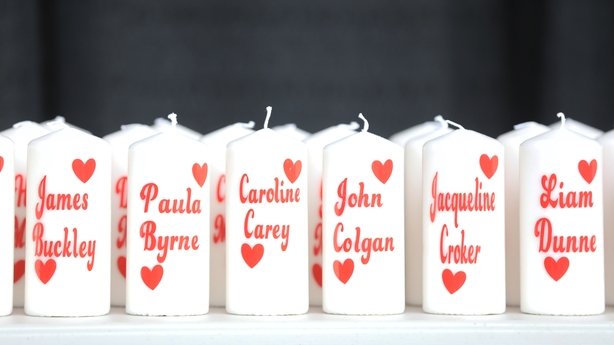
The sense of relief from those who complete their testimony is palpable. There's applause from the other families in the court.
A deep breath out, a drink of water. They then return to their table and are quickly encircled by others who show their support.
Then they wait. Wait for the next family to step up.
This is the community of the Stardust victims on what was the second full week of the inquest.
Fifteen pen portraits were delivered since last Tuesday, which makes 24 in total. We're at the halfway point with another 24 pen portraits to go.
It's the first time these pen portraits have been used here. The idea was adopted from other similar type hearings – the Hillsborough and Ballymurphy inquests.
The families of the victims say it's important to the families because they give a real sense of the lives lost.
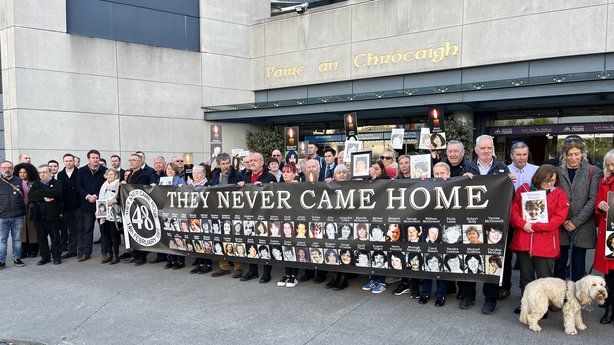
They speak of the dead's hobbies, personalities, their ambitions. These were real people, not numbers, and they left behind grieving families.
Each of the stories are different, but there are common themes running throughout them all.
They speak of the love for those who died, about the unreal shock of the night, the horrors of the aftermath, the devastating impact on families and the exhausting campaign over the four decades.
There is a solemn and respectful air at the inquest.
But there is anger too.
Anger at the "establishment," and at politicians. It’s not reserved for politicians from yesteryear either. They’re angry too at those who they say have neglected their campaign, who don’t show up for the anniversaries.
It’s not uncommon to hear the view that if the fire had happened in a different, more affluent part of the city, the answers they have been seeking would have been got by now.
The families wait. Wait for next Tuesday, for the inquest to resume.
Ask them what they’re waiting for and they’ll reply in one word: "Justice."