The Society of St Vincent de Paul is marking 170 years in Ireland providing help to the needy.
On 16 December 1844 the first meeting to begin the process of establishing the Society in Ireland was held at the White Cross Rooms, in Charles Street West in Dublin, close to the Four Courts,
The group was established in Paris by Frederic Ozanam in 1833.

Since its foundation the society has adapted to meet changing social and economic conditions created by famine, two world wars, civil war, internal strife, boom times and years of austerity.
In Cork in 1857 during the Great Famine the society distributed over 67,000 loaves of bread and over 1,000 bundles of straw.
During World War I the society distributed large amounts of cheese and flour sent by the people of Canada.
In 1926 a coal strike in Britain resulted in a shortage of coal so in Ireland many conferences purchased bogs and had the turf delivered to families.
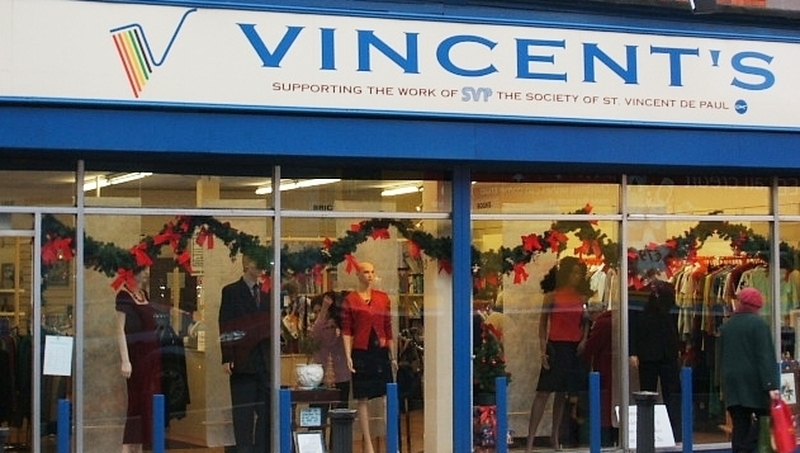
As the society continued to grow services such as shops, hostels, housing for the elderly, resource centres, and visitation services to hospital and prisons, were developed to meet the needs of those who sought its help.
These services were in addition to home visitation, which remains the core work of the Society.
The recent years of austerity has brought big challenges.
From 2006 until 2013 calls for assistance have grown dramatically as did the cost of providing help with food, energy, education and basic living expenses, according to the society.
RTÉ's Religious and Social Affairs Correspondent Joe Little spoke to members about the work that they do with St Vincent de Paul.
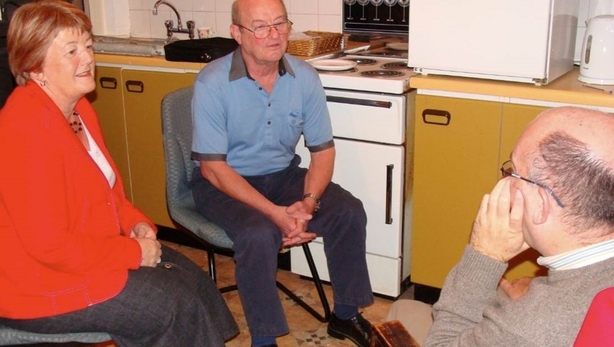
Hazel O'Byrne describes the visitation work of the dozen or so members of St Joseph's Conference near the Mater Hospital.
She said they try to assist people with their most immediate needs like food or fuel bills.
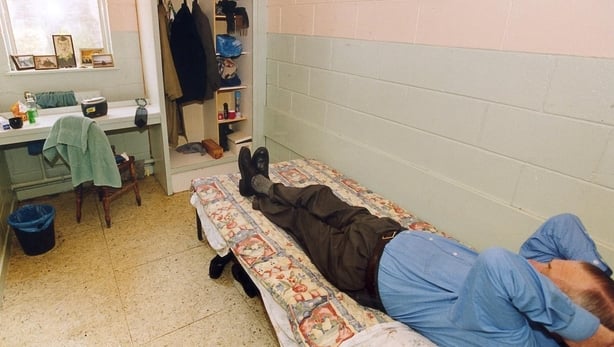
The big thing that the society has encountered in recent years has been around housing and homelessness, she said.
Noel Boyce, treasurer of a group of 18 conferences in Dublin, says confidentiality is paramount within the society.
In most case members do not work in the area in which they live.
Mr Boyce stresses that the society does not want to become a "second social welfare" so most people are only "on the books" for a short space of time.
But this year, he said, there has been a significant increase in the number of new people coming to the society.
Donations in some areas are down by up to 40% and across all areas there has been a drop in donations or in contributions.
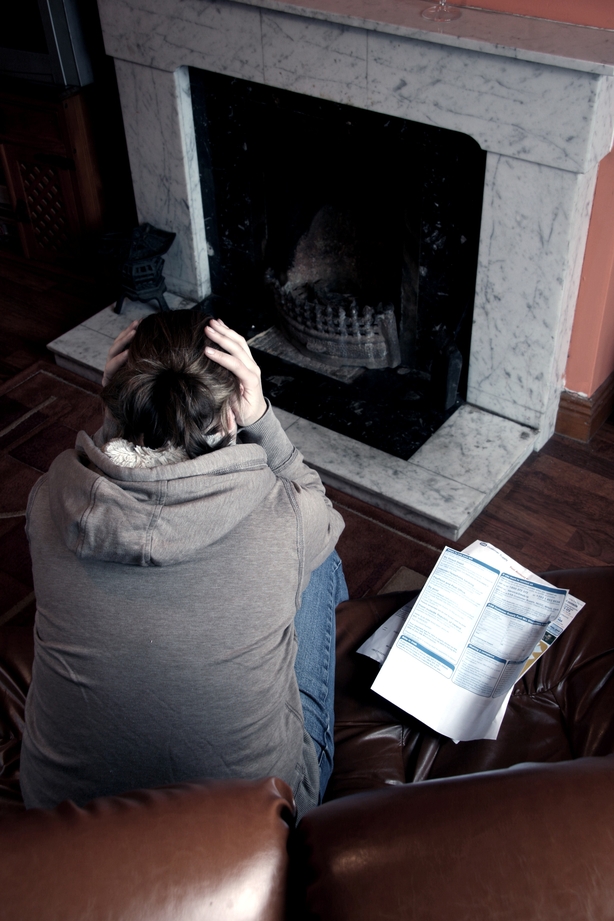
As a result the society has to reduce the level of help it can give to people.
"It has been very difficult this year", he said.