


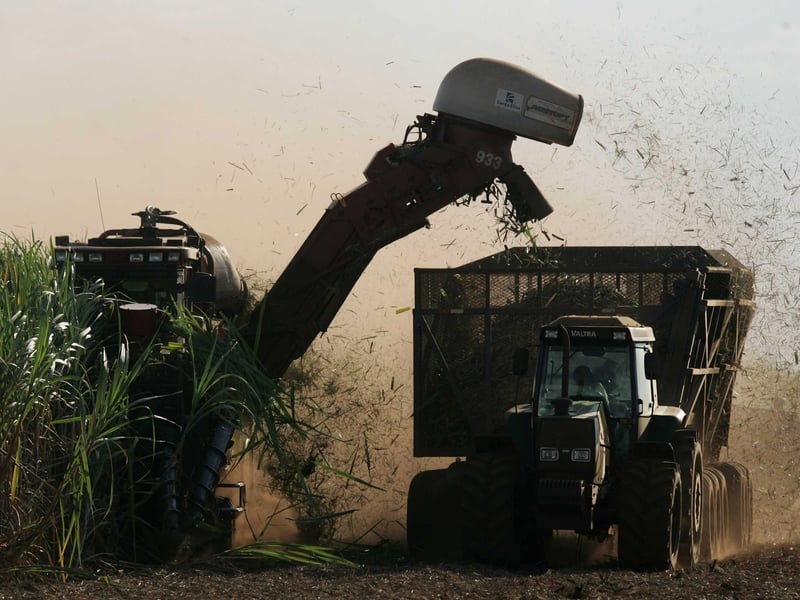

RTÉ News takes a look at the global food crisis and those directly affected by it.
View a gallery on the impact of food shortages
 George Lee examines some of the factors that have been driving food prices up
Watch the report
 Margaret Ward meets two families in China who explain how their lifestyle and diet have changed in recent years
Watch the report
 Aoife Kavanagh reports on the daily struggle to find food in Chad against a backdrop of spiralling food prices
Watch the report
 Robert Shortt visits a corn farm in Indiana devoted to bioethanol production
Watch the report
 Joe O'Brien finds out how food prices are affecting the earnings of Irish farmers
Watch the report
Who is affected by rising food prices?
The cost of major food commodities has doubled over the last couple of years, with foodstuffs such as rice, corn and wheat reaching record highs. Some prices are at their highest in 30 years in real terms.
The UN Food and Agriculture Organisation says this is bound to worsen the situation of 850 million people already suffering from chronic hunger.
In recent months there have been food riots in several developing countries, including a number of African nations, Haiti and in Bangladesh. In poorer states, people may spend more than half their income on food, compared to 10% in a nation such as Germany.
Why are food prices rising?
There are many factors behind the surge in prices, including drought in big producers like Australia, rising demand from fast-growing economies such as China and India, high oil prices that have pushed up production costs, and dwindling stocks.
Experts also blame a big push in biofuels programs that has diverted land and crops from food production as well as export restrictions imposed by some countries.
FAO and the OECD expect food prices to remain high over the next decade despite a bumper harvest this year.
What can be done?
FAO chief Jacques Diouf says that in the short term the international community must guarantee food aid levels for those going hungry in poorer countries. Export restrictions that some rice producing nations have imposed to protect domestic supplies should also be eased to reduce price pressure.
Medium term, there must be help to ensure small farmers can get seeds and fertilizers for the next planting season.
Longer term, FAO says the world must increase investment in agriculture in developing countries, including irrigation, micro-finance, transport and storage.
Trade policies must also be changed, eliminating subsidies to farmers in richer countries that hurt those in the developing world and allowing poorer countries more access to markets.
Two particularly controversial issues are biofuels - energy produced from foodstuffs like maize and vegetable oil - and genetically modified organisms.
Both the US and the EU have pro-biofuel policies which many food experts say should be reversed.
Crops genetically modified to produce higher yields or to thrive in difficult conditions are seen as a possible way to help ease food shortages, but many European countries remain sceptical about them.
