A series of events are taking place to commemorate hundreds of people who died at a mental health facility in Castlebar, Co Mayo, in the late 19th and early 20th centuries.
Local historians say a burial ground, on the outskirts of the town, is a forgotten part of the region's history.
They are keen to ensure the lives of those who were laid to rest there are acknowledged and remembered.
Now part of the ATU campus, the former St Mary’s Hospital opened 160 years ago, in April 1866.
It was initially known as the Castlebar District Lunatic Asylum.
In recent years, a team of volunteers has been working to safeguard extensive records, which catalogue the experiences of the thousands of people who received treatment there.
Detailed logs record all aspects of life in the hospital, from food and fuel supplies, to the reasons why people were admitted and the type of care provided to them.
They show that while many patients were discharged back to their communities, hundreds died at the institution too.
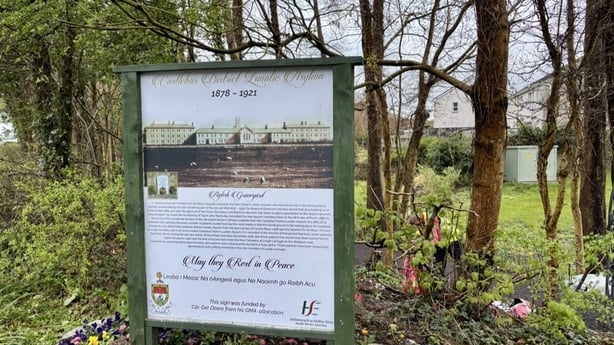
Many were buried in unmarked graves, on consecrated ground, located on a portion of the site that has now been restored.
Commemorative signage has been erected, as part of the ongoing effort to commemorate the deceased.
Former consultant psychiatrist, Dr Fidelma Creaven, says it is past time that their lives are remembered and given the dignity that was denied to them at the time of their deaths.
She pointed out that much of the care that was provided at the facility was beneficial and that it is important to view what happened there through the lens of history.
It was not uncommon for the families of those whose relatives died to not claim their remains, due in part to the stigma that surrounded mental health issues in the past.
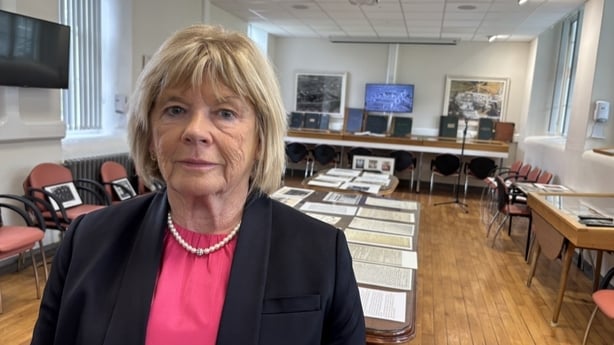
Dr Creaven detailed how a number of former staff members worked to safeguard the records, often recovering them from skips when they had been disposed of.
The material contains a trove of data that shed light on both treatment practices and the supports that were given to those who were admitted.
After independence, residents who died at the hospital were more commonly buried in the municipal cemetery in Castlebar.
The older burial site, known as Aglish graveyard, is located a short distance away, off the ring road that runs to the south of the town.
Tony O’Boyle, of the St Mary’s Hospital Heritage Society, says the renovation work is the start of the process to memorialise the site and to inform locals about a piece of hidden history.
He described the initiative as central to encouraging a debate and expresses hope that it will now be placed on the local commemoration calendar, with associated events taking place on days like Cemetery Sunday.
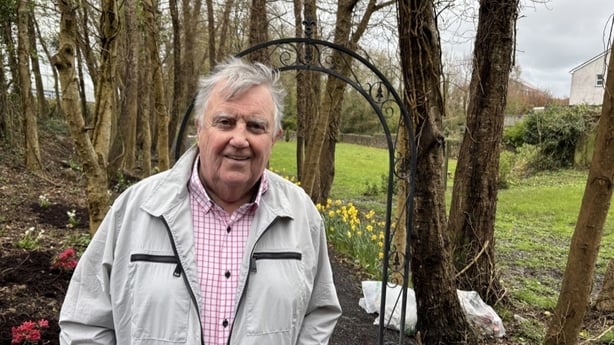
The undertaking has the support of the Mayo Mental Health Association, which says it provides a vital link to the past, as well as informing the welfare of current and future generations.
Lianne McMananon, who works to promote the organisation’s work, says it also helps the effort to break any remaining stigma that surrounds emotional well being.
She pointed to the increased understanding about mental health among children and teenagers as a signal of the improvements that have been made in this regard, in recent years.
"Having these records and and showcasing the history of the hospital aids our educational outreach. It feeds into all the different aspects of the work we do and allows us to have a space where people can come and visit and make people’s understanding much more tangible," she said.