


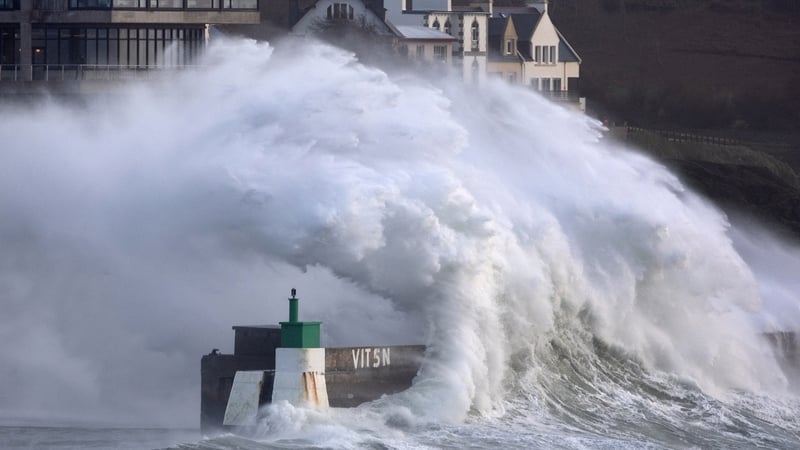
Met Éireann has said that the weather system associated with Storm Goretti "is not really very significant" for Ireland.
Forecaster Linda Hughes described it as a "very strong storm" but said that it was too far to the southeast to cause any "major impacts".
A Status Yellow snow and rain warning - for counties, Cork, Kerry, Waterford and Wexford - expired at 8pm.
Ms Hughes said that rain and sleet had fallen, snow on higher ground, and strong winds on the south coast.
"But that's about as severe as it gets for Ireland, thankfully," Ms Hughes told RTÉ's Drivetime.
Cloudy with rain & drizzle this afternoon, mainly in Munster & south/east Leinster, heavy at times, with some sleet & a chance of snow on higher ground. Mostly dry further north. 🌧️
— Met Éireann (@MetEireann) January 8, 2026
➡️Highs of 2–6°C with northerly winds, breezier along S & SE coasts.
ℹ️https://t.co/sFyGizB5AS pic.twitter.com/ZUY66gDh2D
Storm Goretti brought a gust of 159km/h to south-west England after the UK Met Office issued a rare red warning for "dangerous, stormy" winds.
The forecaster said the "recent gust" was recorded "at St Mary's Airport on the Isles of Scilly, making it a new record for the site".
Forecasters warned that "violent gusts" could bring a potential danger to life in Cornwall and on the Isles of Scilly.
A red warning means that dangerous weather is expected and people should take action to stay safe.
Damage to buildings, very large waves, flying debris, power cuts and public transport cancellations can be expected.
"It is very likely that there will be a risk to life, with substantial disruption to travel, energy supplies and possibly widespread damage to property and infrastructure," the Met Office said.
"You should avoid travelling, where possible, and follow the advice of the emergency services and local authorities."
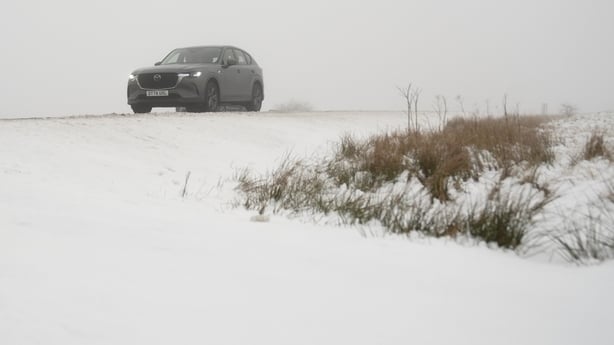
The British government issued two emergency alerts to the phones of around half a million people.
Dozens of schools were closed and rail services suspended.
The storm may bring as much as 30cm of snow to parts of Britain.
The BBC reported that the system will cause a weather bomb, where the central pressure in an area of low pressure falls rapidly.
Meteorologists said that "exceptional" wind speeds could be stronger than recent storms such as Ciarán in 2023 and Eunice in 2022.
The storm, named by French forecaster Meteo France, will also hit northern France, where gusts of up to 160km/h are expected.
Alerts have been issued for more than 30 regions and schools closed.
"Take shelter and do not use your vehicle," authorities in the Manche area warned, urging residents to prepare emergency lighting and a drinking water supply.
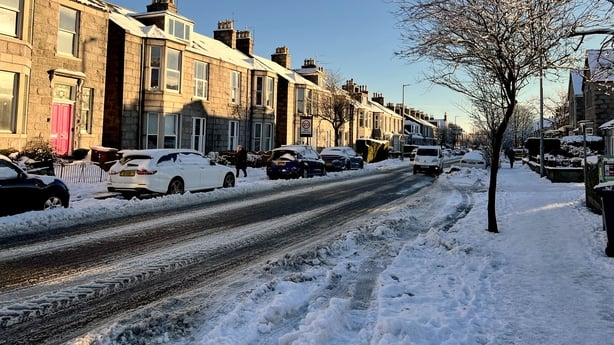
In Germany, heavy snow and winds in the north are set to affect schools, hospitals and transport links.
Up to 15cm could fall in the north, with a risk of icy conditions in the south, according to the German Weather Service (DWD).
Temperatures this weekend could plunge to as low as -20C in certain areas, DWD meteorologist Andreas Walter said.
Schools are shut in a number of areas, including the cities of Hamburg and Bremen.
National rail company Deutsche Bahn warned of significant delays in the coming days as it mobilised more than 14,000 employees to clear snow from tracks and platforms.
The DWD said the storm was expected to continue until Saturday, with snowfall stopping on Monday.
Mr Walter said that Goretti was an exception when compared to the last few years of milder winters, which were a "a consequence of climate change".
"It's still possible to have a cold month with snow, even as temperatures rise due to climate change, but such events will become rarer in the future," he said.
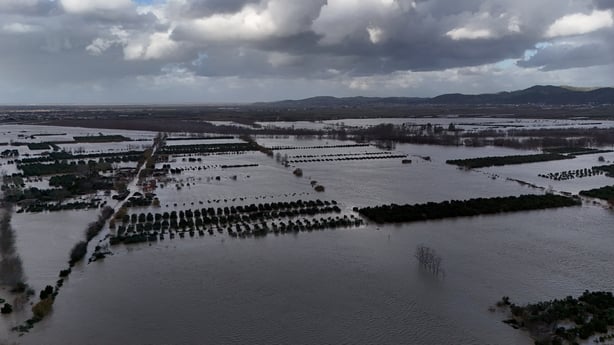
In Albania, swollen rivers in the south forced more evacuations following days of heavy snow and torrential rain across the Balkans.
The body of a 54-year-old man was recovered from floodwaters, police in the port city of Durres said, bringing to eight the number of weather-related deaths reported across Europe.
Hundreds of people have been moved from the area while, further south, an evacuation order was issued for parts of the village of Novoselë as the nearby Vjosa River burst its banks.
Downpours had also triggered landslides and blocked roads in several parts of Albania, police said.
There have also been evacuations of areas in Serbia, Kosovo, North Macedonia and Montenegro due to flooding.
Some towns in western Serbia have been without power for several days after a snowstorm downed trees, knocking out the supply.
Warnings for icy conditions and further snow remain in place across several Balkan countries.
We need your consent to load this rte-player contentWe use rte-player to manage extra content that can set cookies on your device and collect data about your activity. Please review their details and accept them to load the content.Manage Preferences
Additional reporting PA, AFP
