


The UK government's planned reforms on laws around immunity and prosecutions on crimes during the Troubles in Northern Ireland will be debated in the next parliamentary session after support from the House of Commons.
The Northern Ireland Troubles Bill was backed in a carry-over motion in the Commons which means it will not become void when it prorogues this week ahead of the opening of parliament in May.
The Bill has not been fully debated or passed by the UK parliament and was set to otherwise fall.
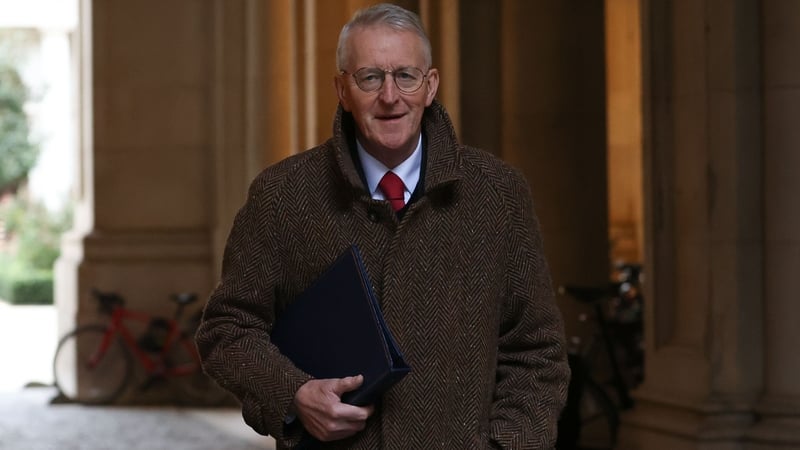
Northern Ireland Secretary Hilary Benn has said amendments will be put to it when it returns.
He said the law was necessary to fix previous Conservative legislation which was ruled in breach of human rights laws.
The carry-over motion was backed by 279 MPs to 176, a majority of 103.
'Dealing with legacy' is 'very difficult' - Benn
Speaking in the Commons, Mr Benn said: "This motion will enable the House to progress the Troubles Bill, which is essential in order to remedy the failure of the previous government’s legacy act.
"If dealing with legacy was easy, then this aim of the Good Friday Agreement would have been resolved a long time ago. It isn’t. It’s very difficult, not least because there are many different and opposing views.
"But we have a responsibility to do this, for those affected by the Troubles, including the many people who lost loved ones and are still searching for answers."
Mr Benn said it also had support from Joe McVey, the victims and survivor's commissioner for Northern Ireland.
The legislation would repeal and replace the controversial Legacy Act introduced by the previous Conservative government, ending the immunity scheme brought in under the law that was ruled unlawful in the courts.
Labour’s Bill, agreed as part of a joint framework with the Irish Government, will put in place a reformed Legacy Commission with enhanced powers.
MPs have already backed a remedial order which removed the measures in the previous act providing conditional immunity from prosecutions for Troubles-era crimes in exchange for co-operation with a truth recovery body, as well as scrapping a bar on future legacy compensation cases.
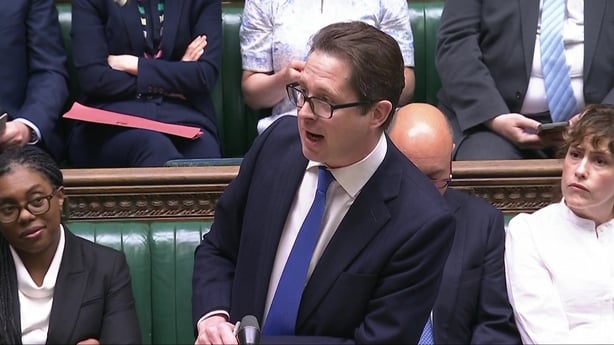
Conservative shadow Northern Ireland secretary Alex Burghart said under the Bill, the prospect of conviction was "vanishingly small".
He said: "The Bill promises victims the earth.
"It raises their hopes but I am afraid, in practice it will offer nothing in the way of conclusion or finality because, although there will be court cases, and there will be inquests, and there will be trials and reviews and challenges, as the Secretary of State himself has said, the prospect of conviction now is vanishingly small.
"The number of answers that victims will get will be minimal, and all the while veterans will be hauled before the courts, investigated for years, subjected to all the pain and ignominy that will bring. The process has become the punishment."
SDLP MP Colum Eastwood said it should be supported and quoted a letter from Sandra Peake from the Wave Trauma Centre in Belfast.
He said: "Unimpeachable character, someone who stood on behalf of victims, of all kind of victims.
"She is imploring us tonight to put this Bill through so we can properly scrutinise it."
Traditional Unionist Voice MP Jim Allister spoke against it, and accused the Irish Government of having too much influence on Labour.
Mr Allister said the lack of promised amendments from the government was because Mr Benn had "embarrassingly shown himself to be wholly beholden to the Dublin Government".
