
The Government's new housing czar has said he hopes his office can contribute to the delivery of tens of thousands of homes by 2030.
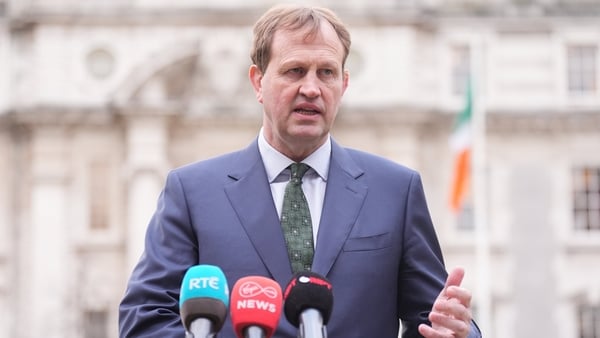
Deputy Secretary General at the Department of Housing, Garret Doocey, who is the head of the Housing Activation Office, appeared before the Joint Committee on Infrastructure and National Development Plan Delivery this afternoon.
The Housing Activation Office was established in April 2025, with Mr Doocey taking up his role at the multi-agency group at the beginning of this month.
The unit has a focus on working with local authorities, builders and utility providers to get homes built quicker.
It has a €1bn war chest to use over the next five years to help this goal and contribute towards the Government’s overall goal of delivering 300,000 homes by 2030.
Mr Doocey told politicians today that this is an additional €1bn to the "billions and billions" committed to housing through the National Development Plan.
He said the war chest is to ensure funding issues that may arise through the wider housing programme can be addressed.
He said local authorities and the Land Development Agency could draw down from this fund to help support specific projects, such as road or water infrastructure, but that it must have a direct link to housing.
Mr Doocey said he was hopeful his office could help unlock infrastructure barriers that could lead to tens of thousands of units being built by 2030.
Mr Doocey said that so far, his office has been focused on collaborating with local authorities to help find sites and identify barriers which may be blocking access to zoning land for housing.
In future, the office hopes to broaden its delivery partners, including collaboration with the private sector, he added.
Before today’s hearing began, members of the committee voted in favour of waiving pre-legislative scrutiny of the proposed Critical Infrastructure Bill by eight votes to six.