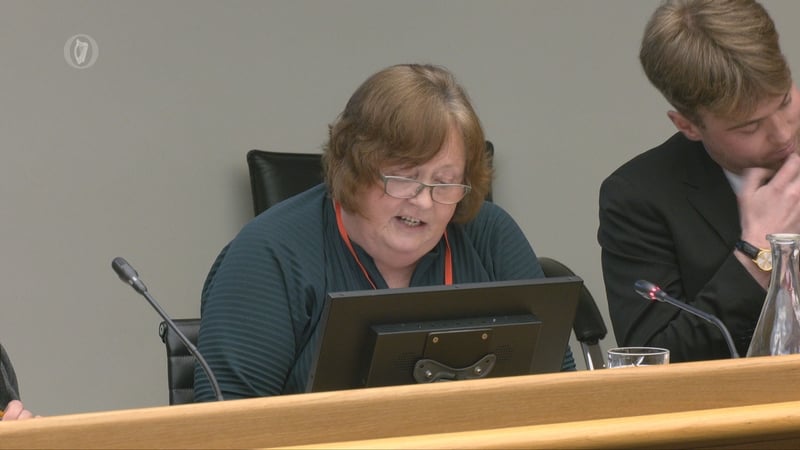

Human rights groups and the Bar of Ireland have expressed concerns over the Government's proposed changes to the judicial review process.
The Civil Reform Bill 2025 began pre-legislative scrutiny at the Oireachtas Joint Committee on Justice this afternoon.
The bill was published by Minister for Justice Jim O’Callaghan earlier this year to overhaul the way judicial reviews are utilised.
This came after much concern was expressed into how the process is being used to delay or stop major infrastructure projects from going ahead.
The proposed changes will put a public interest of common good test at the centre of the process.
The ability of citizens to seek a remedy in court if they suffer harm or prejudice will still exist, but only where the remedy is not contrary to the public interest.
At today’s committee hearing, Séamus Clarke SC, Vice Chair of the Council of the Bar of Ireland, raised concerns about the plan, saying it could put "unnecessary barriers in the path" of people seeking to challenge unlawful decisions by public authorities.
He highlighted the 2020 Kelly Report, which recommended significant changes to the judicial review process and created a roadmap for reform.
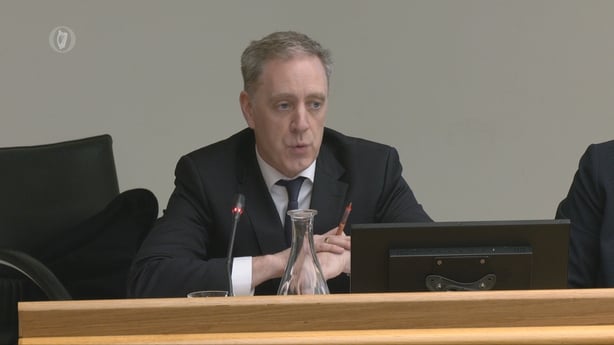
However, he said The Bar was concerned that the Government’s plan departed from the Kelly Report in several respects.
He told politicians: "Judicial review is a fundamental safeguard against unlawful administrative action and a cornerstone of the rule of law.
"While the Kelly Report recommended procedural reforms aimed at improving the efficiency of the judicial review proceedings, the general scheme goes considerably further.
"The proposed introduction of new statutory thresholds for relief combined with restrictions on appeal rights and significant changes to the applicable cost regime would substantially alter how judicial review works in practice.
"Taking together these measures risks placing unneccessary barriers in the path of individuals seeking to challenge unlawful decisions of public authorities and vindicate their rights before the courts."
Human rights group Free Legal Advice Centre (FLAC) also expressed its "serious concerns" over the proposed changes to judicial reviews.
Its Chief Executive Eilis Barry told the committee that the general scheme should not proceed and that the changes would likely have a disproportionate effect on ordinary people that her group represents.
"If implemented, it is very likely that it will be extremely difficult if not impossible for the average person to challenge unlawful actions in any case that is complex or is without precedent," she said.
Ms Barry said she had written to the minister asking why the changes go beyond those recommended by the Kelly review, and called for human rights, equality and access to justice impact assessments to be carried out.
"The courts need to be treated like an essential social service, and adequately resourced so judicial reviews can be heard promptly and not have to take over a year," she said.