
The Confidential Recipient Office - which examines concerns about Health Service Executive-run services - should remain independent, according to Safeguarding Ireland.
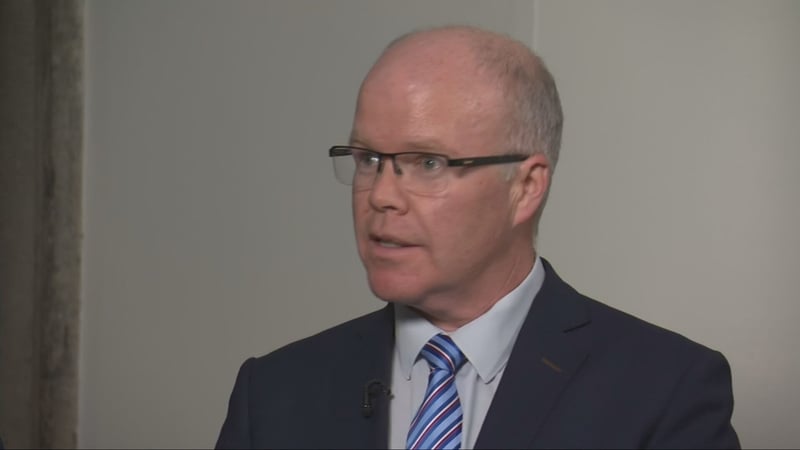
It follows concern raised by Aontú leader Peadar Tóibín over what he described as the eradication of the powers of the office.
It was founded in 2014 as a result of the Áras Attracta abuse scandal exposed by RTÉ.
Undercover footage showed vulnerable adults were being mistreated by some staff in a HSE-funded service.
The Office of the Confidential Recipient was created to independently assist people to raise concerns about care and treatment they received in HSE services.
Over 1,500 formal complaints and thousands of consultations and inquiries have been made, according to Deputy Tóibín.
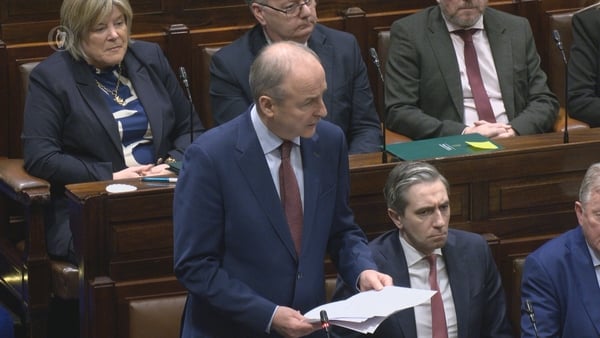
However, during Leaders' Questions, he told the Dáil that the power of the Confidential Recipient's Office was being eradicated.
The HSE has confirmed that the CEO has delegated the line management and support role of the office to the Chief Social Worker.
As the primary carer for thousands of vulnerable people in their facilities, Deputy Tóibín said the move meant that the HSE would be the primary investigator of abuse in the health and social care sector.
He questioned how the Confidential Recipient could hold the HSE to account about abuse, without having independent powers to investigate.
In a statement, the HSE said the change in the reporting relationship "does in no way impact on their independence or confidentiality and will not reduce the ability of service users and patients to report concerns confidentially to the Office of the Confidential Recipient to receive support advice and guidance".
However, the Chairperson of Safeguarding Ireland Patricia Ricard Clarke pointed out that the Chief Social Worker would have operational responsibility for the teams against which complaints would be made.
She said complaints made to Safeguarding Ireland regarding HSE services were often signposted to the Confidential Recipient.
Therefore, she said it was "really important" that the Confidential Recipient remain outside the reporting mechanism.
In the Dáil, Deputy Tóibín called on the Government to reverse the decision by the HSE.
In response, the Tánaiste Simon Harris pointed to "the very good work" done by the office since its establishment.
He said that support and investigative structures had been developed in the HSE since then, following "a very significant overhaul", including the post of Chief Social Worker.
Mr Harris said there was "no attempt to degrade or devalue the vital work" of the office - and emphasised that the Government does see that work as being "vital".
In 2017, the Government announced plans to develop adult safeguarding legislation. This has not yet been produced.
Since then, the Brandon Report, the Emily Case Review and the Farrelly Commission into the Grace case have all led to calls for adult safeguarding legislation.
In December last year, the Department of Health published a safeguarding policy for the health and social care sector.
The HSE’s implementation plan for the policy is due to be published by June this year.
According to its statement, the change in the reporting relationship of the confidential recipient is in line with the HSE’s wider reform programme for adult safeguarding.
Ms Ricard Clarke pointed to a recommendation from the Law Reform Commission for a working group to "scope out" requirements for an adult safeguarding body.
She said she would like to see the HSE being part of a wider interdepartmental group looking at adult safeguarding issues across the board.