
A Government programme that sees hot meals provided to schools is not sustainable and there are concerns over procurement, food quality and packaging waste, an Oireachtas committee has been told.
The Hot School Meal programme has been available to all primary schools since September last year, with around 3,700 schools and organisations - and 682,000 children - eligible to access the scheme.
However, the multi-denominational schools' body Educate Together claims the current model is not sustainable.
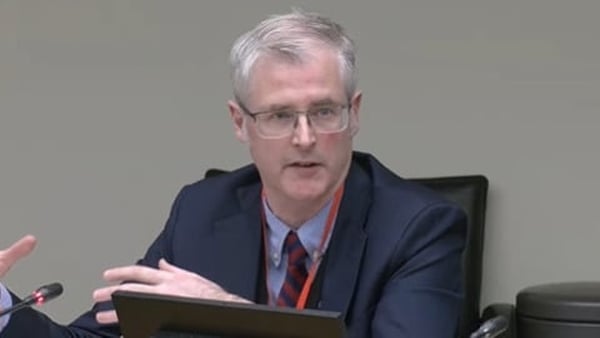
CEO Dr Emer Nowlan appeared before the Oireachtas Committee on Education and Youth, where she will stress the challenges facing its schools when it comes to running the programme.
She said that while the policy is positive, the execution is flawed.
In her opening statement, Dr Nowlan said: "The benefits of this scheme are real and should not be understated. For some children, this is the only hot meal they receive in a day, and the scheme promotes equity and dignity through universal access.
"However, the clear message from school management is that the current model is not sustainable."
Dr Nowlan said that the "most serious challenge" is the administrative and procurement "burden" placed on schools.
She said in almost three-quarters of Educate Together schools, principals are left to manage the procurement themselves, a process that can take several days over a number of weeks.
She added they are carrying this out without the staffing, expertise or resources to do so safely and sustainably.
Dr Nowlan also raised concerns over the quality of the food and its suitability for children with allergies or restrictive diets, adding that menu fatigue or dissatisfaction has led some families to opt out of the scheme.
Another "major" issue experienced by Educate Together schools is dealing with food and packaging waste, which, according to Dr Nowlan, is creating environmental concerns as well as additional costs.
Deirdre Matthews, General Secretary of the Joint Managerial Body, which represents 379 voluntary secondary schools, called for the access criteria to the programme at post-primary level to be reviewed.
The Hot School Meals programme is not currently available at post-primary level.
Ms Matthews told the committee that eligibility for the programme should reflect student need, rather than school designation alone.
The previous government committed to providing a free hot school meal to every school-going child by 2030.
In his statement, National Association of Principals and Deputy Principals Director Paul Crone called for the scheme to be extended before that date, saying that "food poverty doesn't cease when children turn 12".
He said: "Yet the current structure abandons students precisely when their caloric requirements grow and their capacity to concentrate through long academic days becomes paramount.
"Adolescents' nutritional needs increase significantly during this developmental stage."