


Medics who care for the dying have warned an Oireachtas committee that allowing assisted dying would "inevitably" result in "incorrect" deaths.
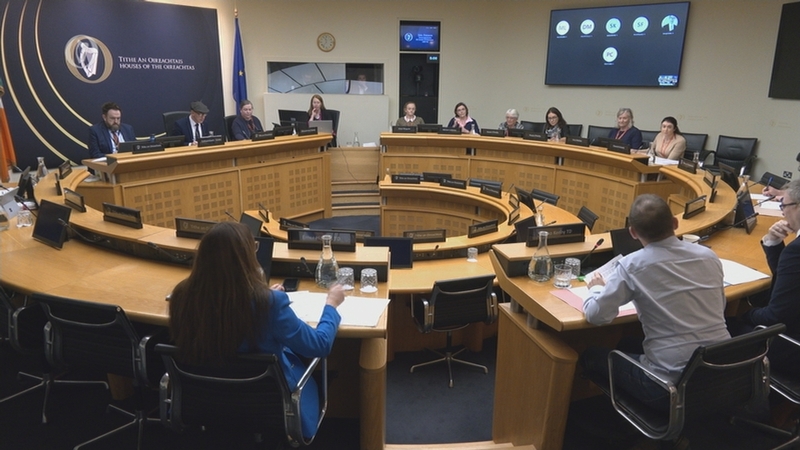
The Joint Committee on Assisted Dying was examining the potential impact legalising assisted dying could have on palliative care.
"My question to the committee is, what percentage of incorrect deaths would be acceptable to legalise assisted suicide?" Matthew Doré of the Association of Palliative Medicine asked.
He pointed to "consistent surveys and polls" showing that "upwards of 82% of our membership are against this legislation", as they believe that "inevitably there will be incorrect deaths" if it is introduced.
These could include people with an incorrect or unpredictable medical diagnosis, those struggling with mental health issues or "fluctuating autonomy", or someone who is being subjected to elder abuse, Dr Doré said.
Professor Regina McQuillan told the committee that the Irish Palliative Medicine Consultants Association is "fundamentally opposed to the introduction of assisted dying, assisted suicide or euthanasia".
Any legislative change would be "regressive", she said. "Many commonly held perceptions about end of life are different from the reality we see every day."
"Death is sad for patients and their families, but most physical and psychological suffering can be well managed by comprehensive expert care," she added.
"The wish to die is common, and usually transient," Prof McQuillan said. "Meaningful long lasting safeguards are impossible to construct."
Her colleague, Dr Faith Cranfield, said palliative care helps people to "better take control of the pain" they experience, and it allows families and friends of those who are dying to have "really tricky conversations" and so help people to live their final days meaningfully.
Dr Max Watson of Hospice UK said that the work of palliative care "parallels that of a midwife".
"It is unlikely that hospices and palliative care services will engage with physician assisted dying," he warned.
Senator Lynn Ruane said that removing their expertise and experience would be a great loss.
"I'm suspicious of safeguards, because I haven't seen safeguards really working", Dr Watson said.
He also said that a change in legislation would lead to "difficult and contentious legal and political issues related to patients from Northern Ireland travelling south for assisted dying if there is no parallel legislation."
