


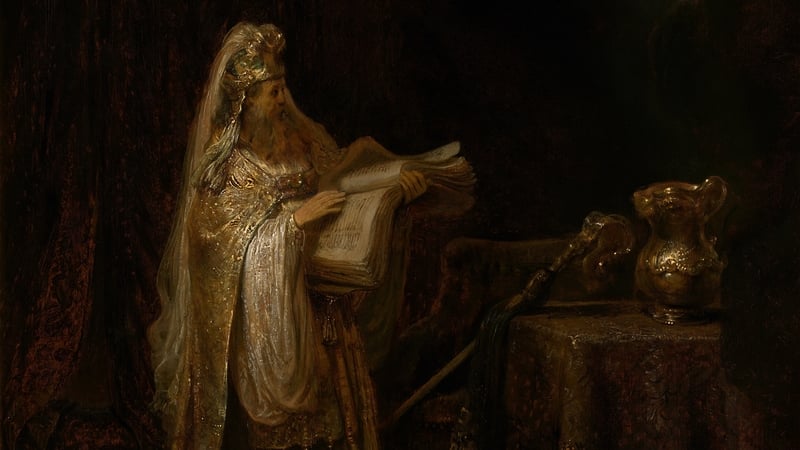
The Rijksmuseum in Amsterdam has uncovered a new painting by Rembrandt, using advanced scanning technology and stylistic analysis to confirm it was crafted by the Dutch master.
The whereabouts of the 1633 work, entitled "Vision of Zacharias in the Temple" was unknown for 65 years but was recently handed over to the museum for testing.
"Materials analysis, stylistic and thematic similarities, alterations made by Rembrandt, and the overall quality of the painting all support the conclusion that this painting is a genuine work by Rembrandt van Rijn," the museum said in a statement.
The work depicts the biblical scene of Archangel Gabriel visiting high priest Zacharias to inform him he will have a son: John the Baptist.
Gabriel is not depicted in the painting but light shining in the upper right corner heralds his arrival.
The painting disappeared from public view after a private individual purchased it in 1961.
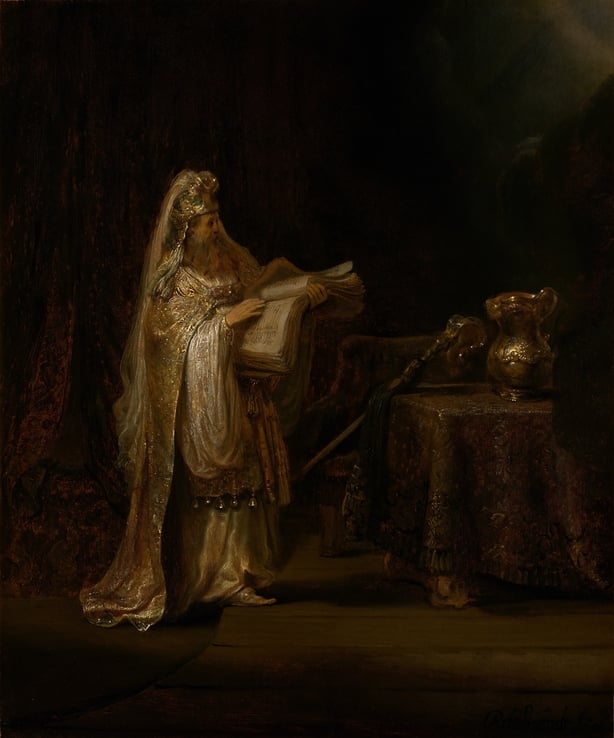
Its current owner contacted the Rijksmuseum, enabling experts to study the work with modern analytical tools.
Their two-year research showed that the paints used are also found in other Rembrandt works of the period.
The painting technique and build-up of paint layers are also comparable.
Scans revealed "compositional changes that support the authenticity of the work," the museum said.
Finally, the signature has been deemed original and analysis of the wooden panel confirms the date of 1633 on the painting is also correct.
"It is a beautiful example of the unique way Rembrandt depicts stories," said Rijksmuseum director Taco Dibbits.
The work is now on long-term loan to the museum and will be on display to the public.
