


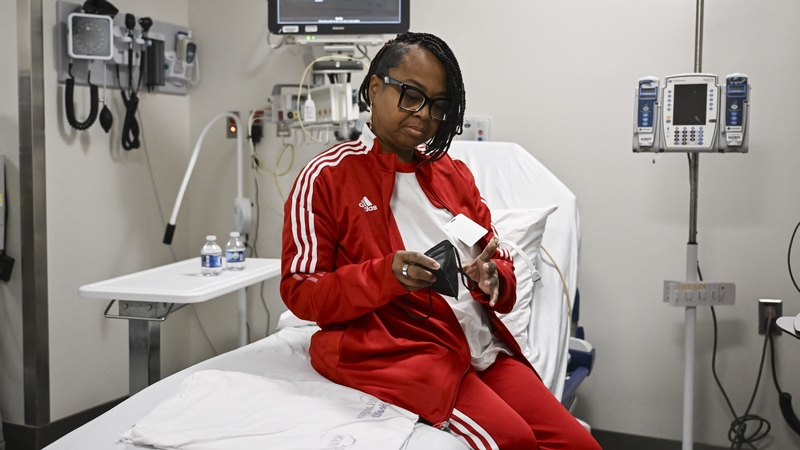
Towana Looney donated a kidney to her mother in 1999 only for the remaining one to fail several years later as a result of pregnancy complications.
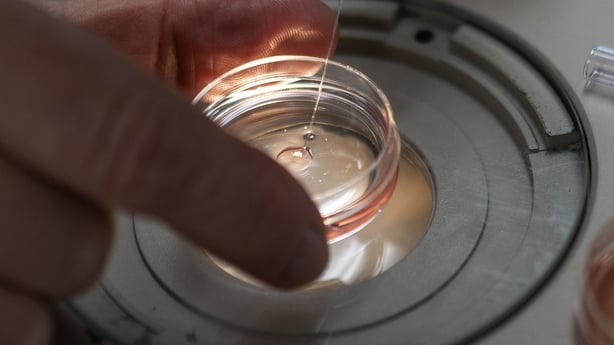
The 53-year-old from Alabama has now become the latest recipient of a gene-edited pig kidney - and is currently the only living person with an animal organ transplant - a New York hospital has announced.
"It's a blessing," she said in a press statement, published three weeks after the procedure at NYU Langone.
The field of xenotransplantation, long an elusive goal for science, is seeing renewed momentum as advancements in gene editing and managing the immune system bring the once-distant prospect closer to reality.
Advocates hope it can help address the organ shortage crisis, with more than 100,000 Americans waiting for an organ, including over 90,000 in need of kidneys.
Ms Looney had been living with dialysis since December 2016 after high blood pressure from a pregnancy condition damaged her remaining kidney.
Although living donors receive higher priority on waiting lists, finding a suitable match proved impossible due to her unusually high levels of harmful antibodies, which made rejection highly likely.
Meanwhile, her body gradually lost accessible blood vessels to support dialysis, leaving her increasingly frail.
Ms Looney's surgery marks the third instance of a gene-edited pig kidney being transplanted into a living human. The first, Rick Slayman, 62, died in May, two months after his groundbreaking procedure at Massachusetts General Hospital.
The second, grandmother Lisa Pasano, underwent the transplant at NYU Langone, where she also received a heart pump.
While she initially showed signs of recovery, she had to return to dialysis after 47 days and died in July.
Despite these challenges, researchers remain optimistic as they refine their techniques, work with improved gene-edited pig kidneys, and select patients who are less critically ill.
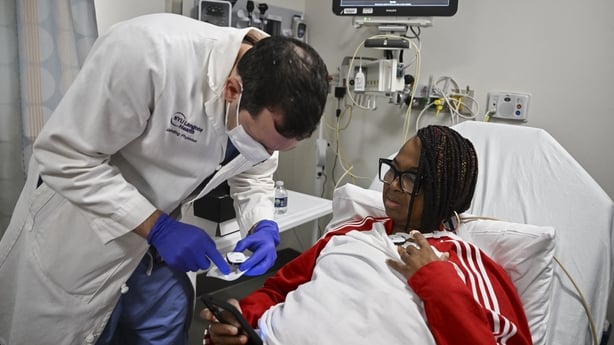
"Without the generosity and altruism of those who participated in our research up to this point, this next step in xenotransplantation would not have been possible," said Robert Montgomery, who led the seven-hour procedure on 25 November.
"Towana's case is a precursor to potential clinical trials, under the FDA's (Food and Drug Administration's) guidance, to determine if these organs are safe as a new, sustainable source of organs for those who need them."
The surgery was the seventh human xenotransplantation performed by Dr Montgomery, who also carried out the world's first gene-edited pig-to-human organ transplant on a neurologically deceased patient in 2021.
Ms Looney was discharged on 6 December to an apartment in New York City, though NYU Langone said that given her prior harmful antibodies "she may periodically undergo inpatient administration of medicine while her immune system adapts to her new organ."
She is expected to return home in three months.
