


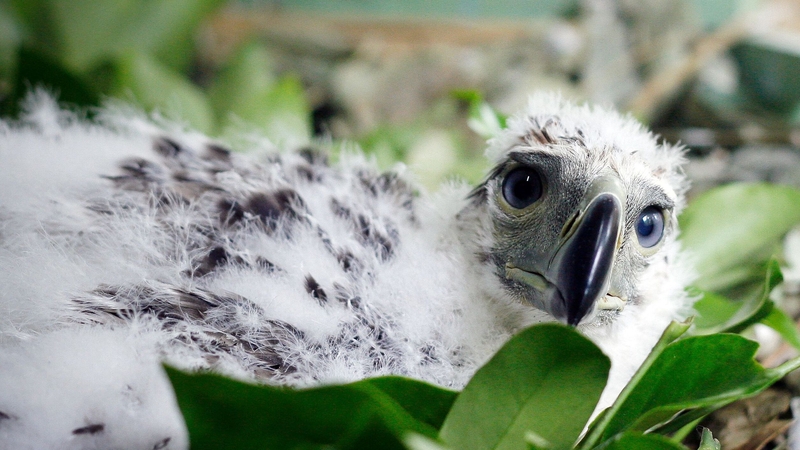
A Philippine eagle chick hatched via artificial insemination has died in a fresh setback for one of the world's largest and most critically endangered raptors.
The 17-day-old male chick, which died on Friday, had been the first successful hatchling in the new facility.
Habitat loss and ruthless hunting have caused a rapid decline in the number of Philippine eagles, the national bird of the archipelago country.
The hatching of "Chick Number 30" last month briefly stirred hope that science and conservation could save the forest-dwelling raptor species.
"This heartbreaking loss is a solemn reminder of how delicate chick-rearing can be and how critically endangered species are particularly vulnerable," the Philippine Eagle Foundation said in a statement.
Complications from a condition known as "yolk sac retention" were the possible cause of death. The condition, common in poultry farms, indicates the entry of bacteria through incubating eggshells, or chick exposure to bacteria after hatching.
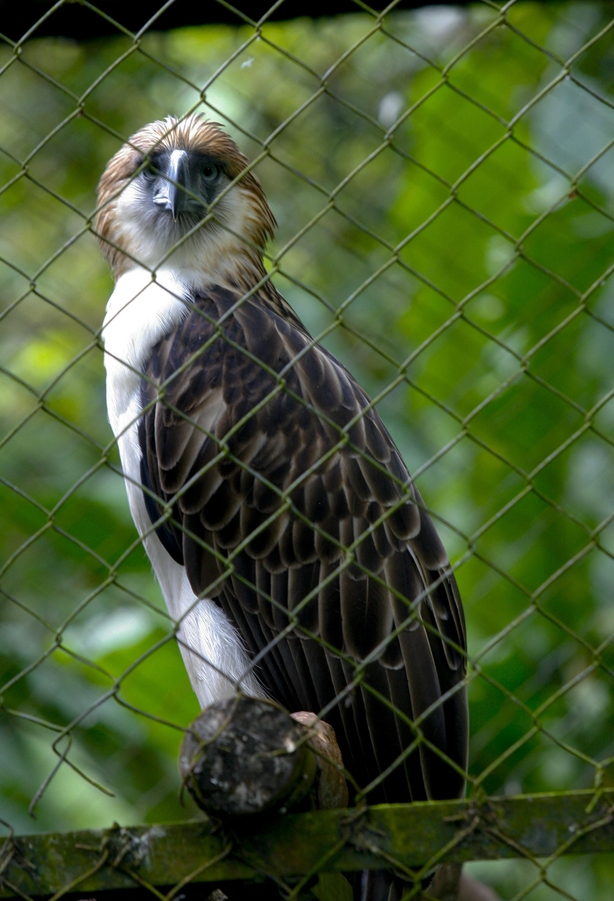
Philippine eagles, known for their sumptuous head plumage and a 2-metre wingspan, are difficult to mate, with some even killing unwanted suitors.
There are only 392 pairs of the eagles remaining in the wild, with just 30 born in captivity, the foundation estimates.
The organisation's ultimate goal is to release the eagles back into the wild, but it has not once succeeded in its 37 years of operation.
