


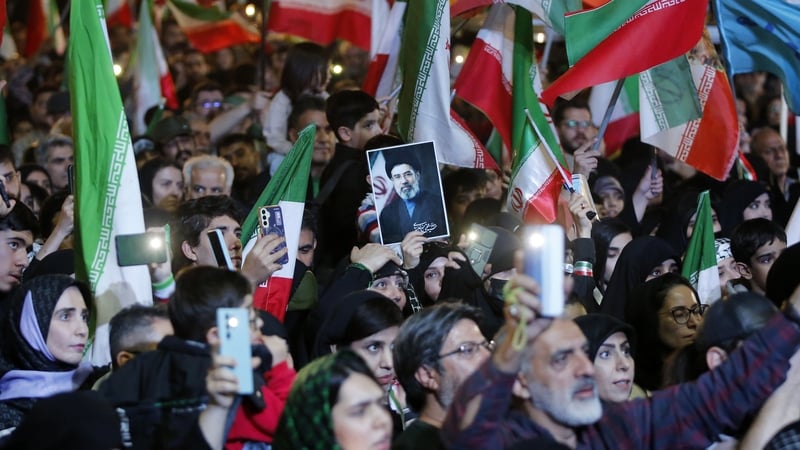
Iran's foreign minister returned to Islamabad today, travelling from capital to capital as mediators hoped to keep peace talks between Tehran and the United States alive.
Abbas Araghchi visited Oman's Muscat after leaving Pakistan, and is set to meet Russian President Vladimir Putin in Moscow on Monday, but there remained no indication that direct US-Iranian talks would resume.
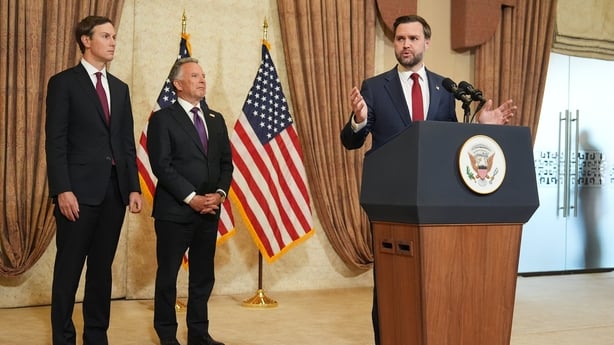
On Saturday, US President Donald Trump scotched a planned trip to Islamabad by his negotiators Steve Witkoff and Jared Kushner.
But in a sign that indirect efforts were ongoing, the Fars news agency reported that Iran had transmitted "written messages" to the Americans via Pakistan that were "about some of the red lines of the Islamic Republic of Iran, including nuclear issues and the Strait of Hormuz".
Those messages were not, however, part of any negotiations, Fars said.
While a ceasefire in the US-Israeli war with Iran that began on 8 April has so far held, the economic shockwaves of the war continue to reverberate around the globe.
Iran has sealed off the Strait of Hormuz, cutting off vast quantities of oil, natural gas and fertiliser from the global market, sending prices soaring and raising fears of widespread hunger across the developing world.
There had been hopes for a new round of talks on Saturday, with Witkoff and Kushner due to visit Islamabad, but Mr Trump later told Fox News he had scrapped the trip, saying there was no point "sitting around talking about nothing".
Donald Trump told the channel today: "I said, we're not doing this anymore. We have all the cards. If they want to talk, they can come to us, or they can call us, you know there is a telephone, we have nice secure lines."
The president is under growing domestic pressure, with petrol prices in the United States pushed up by Iran's closure of Hormuz and midterm elections scheduled for November.
'Very fruitful'
Asked earlier whether halting the trip meant a return to open hostilities, Mr Trump said: "No, it doesn't mean that."
Later, after a gunman was arrested at the White House Correspondents' Association dinner in Washington, Mr Trump said he did not think the incident was related to Iran but that it would not deter him "from winning the war".
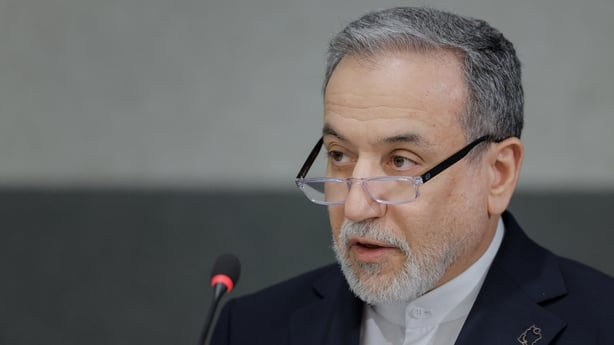
On Saturday, Mr Araghchi met Pakistan's military chief Asim Munir, a key mediator, Prime Minister Shehbaz Sharif and Foreign Minister Ishaq Dar, before flying on to Muscat.
He is expected to go to Moscow after the talks in Islamabad, with Russia's foreign ministry confirming that he would meet President Vladimir Putin.
Mr Araghchi described his initial Pakistan trip as "very fruitful" but signalled scepticism over Washington's intentions, saying he had "yet to see if the US is truly serious about diplomacy".
Hormuz blockade deepens
Pressure to end the war has intensified as the Strait of Hormuz remains closed.
But Iran's powerful Revolutionary Guards said they had no intention of lifting their blockade, which has roiled energy markets.
"Controlling the Strait of Hormuz and maintaining the shadow of its deterrent effects over America and the White House's supporters in the region is the definitive strategy of Islamic Iran," the Guards said on their official Telegram channel.
The United States has imposed a blockade of Iranian ports in retaliation.
In a statement carried by state media, Iran's military warned that continued US "blockading, banditry and piracy" would draw a response.
Israel strikes Lebanon
On the war's Lebanese front, Israeli Prime Minister Benjamin Netanyahu ordered strikes on Hezbollah and accused the Iran-backed group of violating a ceasefire that was extended this week.
"It must be understood that Hezbollah's violations are, in practice, dismantling the ceasefire," Mr Netanyahu said, during Sunday's weekly cabinet meeting.
Hezbollah itself said it would respond to Israeli ceasefire violations and its "continued occupation of Lebanese territory".
Lebanese official media said Israel's military began striking the country's south after issuing an evacuation warning for seven locations, despite the ceasefire with the Iran-backed group.
"Israeli warplanes launched a strike" in Kfar Tibnit - one of the locations included in the warning - the state-run National News Agency said, adding that there were reports of casualties.
Under the terms of the ceasefire, Israel reserves the right to act against "planned, imminent or ongoing attacks".
