


Nearly a month into the Middle East war, Lebanon is facing a deepening humanitarian crisis that now risks teetering over into a catastrophe, the UN refugee agency has warned.
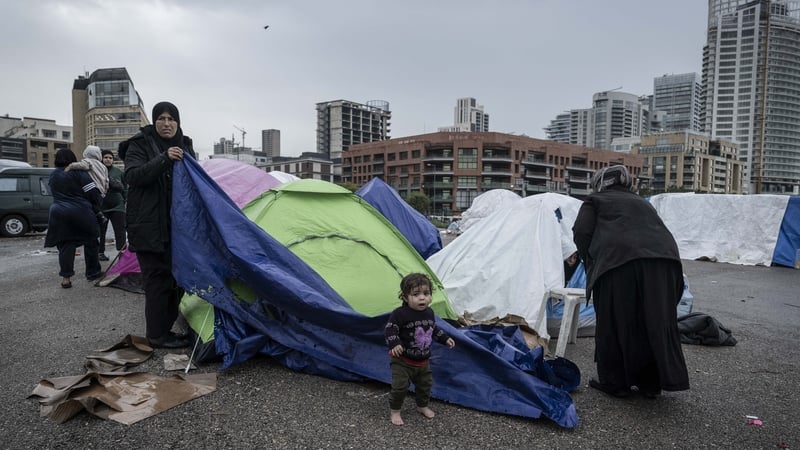
The UNHCR said that more than a million people - one in five residents - have been forced to flee their homes since 2 March.
"The situation remains extremely worrying and the risk of a humanitarian catastrophe ... is real," Karolina Lindholm Billing, the agency's representative in Lebanon, told reporters in Geneva, speaking from Beirut.
Her remarks came after Lebanese media reported an Israeli strike hit Beirut's southern suburbs as AFP correspondents heard several explosions from the Hezbollah stronghold that Israel has repeatedly struck since war erupted this month.
AFPTV footage showed smoke billowing from the area after the raid.
Lebanon's official National News Agency reported that "enemy aircraft" carried out a raid on Tahouitet al-Ghadir in the southern suburbs at dawn.
Destruction of key bridges in the south has left about150,000 people isolated and out of reach of humanitarian convoys, UNHCR said, adding that some relief movements have been denied permission due to security risks.
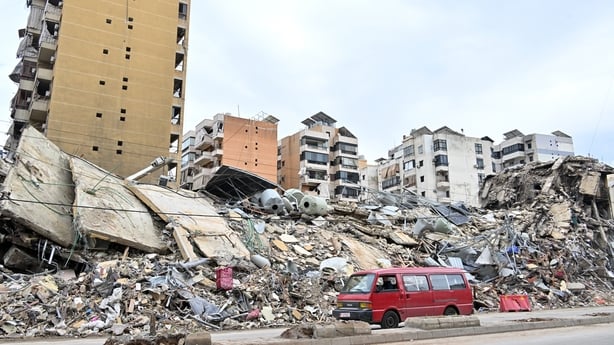
Israel has previously issued sweeping evacuation warnings for the area, but provided no specific warning in advance of the strike.
The usually densely populated area has largely emptied of residents since the hostilities erupted and it was unclear whether there were any casualties.
UNICEF's representative in Lebanon Marcoluigi Corsi told a briefing that people have no safe space to find refuge in Lebanon, even in the capital.
Mr Corsi said the scale of displacement was "staggering", with 19,000 children uprooted daily, many for the second or third time since previous escalations just 15 months ago.
"The mental and emotional exhaustion weighing on the children of Lebanon is just devastating," he said.
Essential infrastructure, including hospitals, water stations and schools, has been damaged or destroyed, cutting off tens of thousands from safe water and basic services, Mr Corsi said.
Israeli military spokesperson Avichay Adraee called on residents of Sejoud village in southern Lebanon to evacuate to the north of Zahrani river, warning of an imminent attack against Hezbollah.
Lebanon was drawn into the Middle East war on 2 March when Iran-backed Hezbollah began firing rockets into Israel to avenge the killing of Iranian supreme leader Ayatollah Ali Khamenei.
Israel has since been bombing Lebanon, mainly in areas where Hezbollah has long held sway, and has sent in ground troops in a push to establish a buffer zone in south Lebanon.
Hezbollah also said its fighters kept up its attacks on Israeli troops in south Lebanon.
Read more: UN human rights chief demands 'justice' for school strike that killed 168
Official Lebanese media reported yesterday that deadly Israeli raids in the country's south, and Hezbollah claimed more than 90 attacks on Israeli targets inside Lebanon and across the border.
Israel's military said two soldiers were killed in south Lebanon, while Israeli emergency services said a rocket fired from Lebanon killed a man in northern Israel's Nahariya area.
Israeli strikes since 2 March have killed at least 1,116 people including 121 children, according to Lebanese authorities, while more than one million people have been displaced.
