People who work to aid survivors of sexual assault in the immediate hours and days following an attack fear that too few people know about their services, despite the fact that demand is growing.
More than 400 people attend the sexual assault treatment unit (SATU) in the Rotunda Hospital each year.
There are six SATUs across the country and attendance at them is growing.
Professor Maeve Eogan, consultant gynaecologist and National Clinical Lead for the HSE's SATUs said that the services are here for anyone who has experienced sexual violence or thinks they may have.
"We’re here for you," she said, adding that the "care you get in the SATU may be different depending on the timeline".
"So the taking of the toxicology samples, for example, if somebody thinks they may have been spiked, or the taking of the DNA samples may be influenced by the time at which you present. And generally, none of those samples are taken after seven days.
"But that doesn't mean that you can't have an examination to make sure that you've no injury or problem or consequence there.
"And it doesn't mean that you can't have the follow-up care and all the emotional aspects of support as well," she said.
Candidate Advanced Nurse Practitioner at SATU Kate O'Halloran said that the forensic exam and healthcare can be a lengthy and involved process.
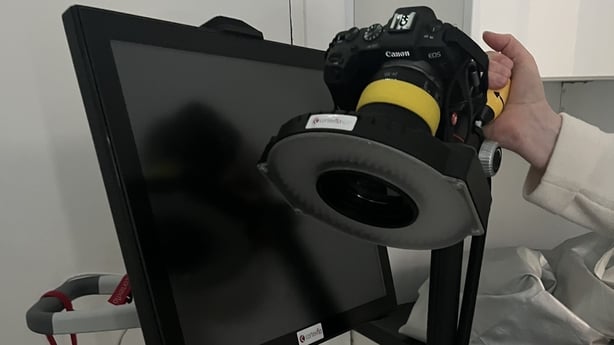
"I wouldn't say it's a non-invasive process, but we aim for it to be as supportive as possible," said Ms O'Halloran.
"The aim is to make sure that whether your forensic sampling needs to be hair combing or a urine sample or a swab or require an intimate examination that is driven by the individual needs of each person and what they're needing and what they're consenting to."
A forensic exam can take anything between 90 minutes and three hours.
"That time frame can seem extremely long, but it is very, very individual within that, depending on what the patient's needs are," said Ms O'Halloran. "Definitely it's an exhausting process."
Before the exam begins, a consent form has been signed in front of two witnesses.
However, if the patient wants to withdraw any part of their consent as the exam progresses, they are allowed to do so and SATU staff check in with them to ensure they have consent to proceed with the next parts of the exam.
In terms of gathering evidence that may be used in a trial, the team can take DNA samples, map the injuries on the body, photograph injuries where relevant.
The Rotunda SATU had 443 patients in 2025 for acute presentations to the SATU. This doesn't include follow up care.
Ms O'Halloran said SATU doesn't have the staff it needs to run the facility and is heavily dependent on medical colleagues from other specialisms taking on a secondary role in SATU in order to fulfil their 24-7 roster.
"You're asking them to step into difficult work, often unsocial hours but they already have a primary, job or career elsewhere. "
"Space is tight," Ms O'Halloran said, adding "sometimes this unit can get extremely busy".
The unit already has a space identified for an expansion and fundraised for this last year. They are hopeful it will be in place before the end of this year.
Longer term, a commitment has been given to include acute SATU facilities in a new critical care wing of the Rotunda Hospital. This is dependent on planning permission.
All services provided at SATU are free to the patient, including follow-up care which can last up to six months after the initial exam.
Senior Medical Social Worker at Rotunda SATU Laura Feeley meets patients at their follow up appointments.
"There's a lot going on after a forensic [for patients], they might have met the guards, they might have come in here for a full forensic exam," Ms Feeley said.
"That process is very daunting for people.
"So, coming back to a follow-up appointment we and the team here, we really emphasize that the follow-up is about them and making sure that they themselves holistically are ok," she added.
Ms Feeley offers psycho-social support to survivors. This includes emotional support as well as signposting patients to other services they might need ranging from domestic violence refuges to counselling.
40% of people have experienced some form of sexual violence in their lifetime.
18% of women and 3% of men have experienced non-consensual sexual intercourse, which includes rape.
The accompaniment service in the DRCC began as a way to familiarise people with the court process more than 20 years ago on a volunteer basis.
Around ten years ago, the DRCC began employing staff to expand the service to provide skilled accompaniment to survivors in reporting crimes and attending court.
Now the service can be used by anyone who needs to speak about their experience of sexual violence in a formal setting including SATUs, garda stations, workplaces, universities and international protection offices.
"You just never know who you might meet in SATU or what way that person is going to be"
While there are many myths and misconceptions as what counts as sexual assault, Accompaniment Coordinator in the DRCC Celine Newman believes a large barrier in people seeking help or guidance after an assault is that they do not know that services like theirs exist.
Another worry for survivors is the fear that they will not be believed.
While the criminal process necessarily questions the validity of statements, the services at DRCC and SATU have a philosophy of believing all people who come to them and helping them without judgement.
Volunteers with SATU work on a 12-hour on-call shift. If someone is coming into the SATU in the Rotunda, the volunteer will get a call and meet them in the waiting room.
Some people unable to speak after coming in following trauma - SATU
"People can present in different ways after an initial trauma," Ms Newman said.
"Sometimes people come in and they're unable to speak. Some people can't stop speaking. Sometimes they're laughing. Sometimes they're crying. It's all emotions.
"You just never know who you might meet in SATU or what way that person is going to be."
Ms Newman reassures people by reminding them that SATU is the best place to be immediately after a sexual assault and while there are time limits on gathering DNA evidence, after this the process can be done at the survivor's pace.
"[It’s] ensuring that you're ok and you can be looked after with the treatment that you deserve. And then after that, it's whatever you choose to do, and you have plenty of time to do that," she said.
"You don't have to rush about any decisions."
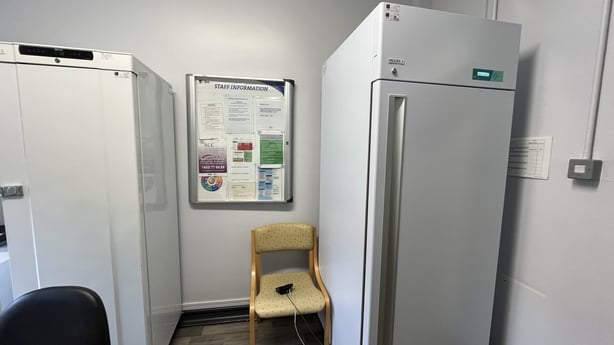
There are two freezers kept on site at the Rotunda SATU for DNA sample storage.
The SATU will keep any DNA samples collected for one year to allow someone time to decide if they want to pursue a legal pathway.
Prof Eogan says around one-in-five people who chose to use the freezers rather than immediately give their DNA evidence to the police, chose to do so later on.
In Ireland, there is no statute of limitations for reporting criminal sexual offences to An Garda Síochána.
For those that do chose to seek justice for their assault, the accompaniment service can also go with survivors to garda stations and courts.
Ms Newman said: "When somebody calls us and talks about accompaniment, we don't tell them what they need to do. We say, 'here's what you can do. Have a think about all of that. And if it's something that you really want to do, that's what we're here for. And we will go with you to wherever that might be.'"
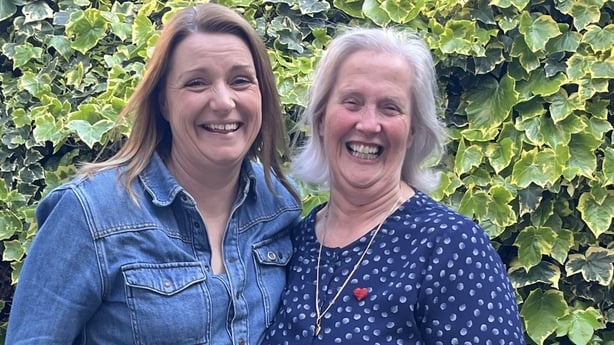
If someone does choose to go to a garda station, an accompaniment worker will meet the person before they go in to give their statement and can sit beside the person while giving their statement if they wish to do so.
Accompaniment Support Worker with DRCC Trish Robinson said that they can be a "physical support", for people when they are giving their statements.
"You're there to be a physical presence of support for them in that this person is on my side. They absolutely believe me wholeheartedly," she said.
"They believe that I can do this, that I can go through this process.
Giving a statement to gardaí can be a very long and rigorous process. Sometimes more than one interview with the gardaí is required for the statement to be completed.
Everything that is said is written down by hand. The accompaniment worker can also ask for breaks for the survivor.
If the case makes it to court, the accompaniment service offers a court familiarisation process where people can learn about their surroundings before the trial begins.
"We show them where all the players sit in a courtroom. We show them where they will be sitting. In fact, we bring them up to sit in the seat, just to show them how it will feel," Ms Newman said.
"They usually have a huge amount of questions around what's going to happen," Ms Newman said.
The number of people using the accompaniment service is growing.
The DRCC’s accompaniment support for people in the justice system grew over 13% between 2023 and 2024, and they’re expecting to see continued growth when they validate the figures for last year.