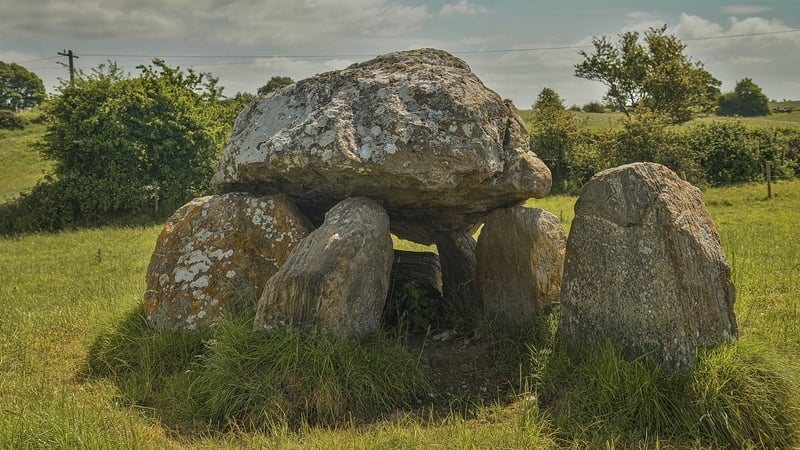

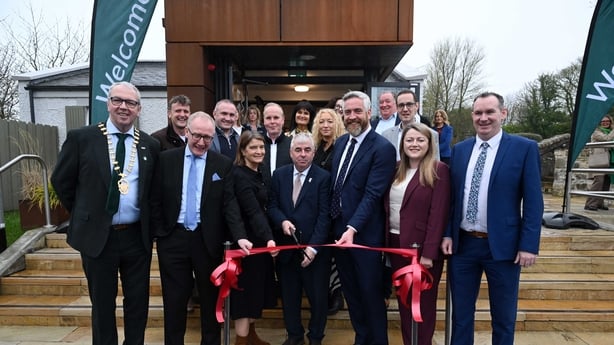
A newly upgraded state-of-the-art visitor centre at the Carrowmore Megalithic Cemetery, showcasing Ireland's oldest megalithic tombs has officially opened following €1.5 million upgrade works.
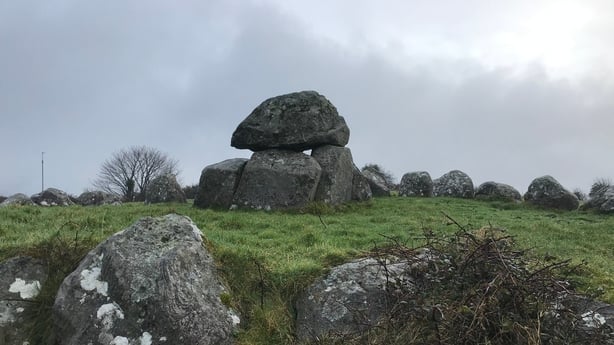
Carrowmore is home to more than 30 passage tombs, constructed almost 6,000 years ago, making it Ireland’s largest cemetery of megalithic tombs.
The site is part of the 'Passage Tomb Landscape of Sligo’, which has been placed on Ireland’s Tentative List for UNESCO World Heritage status.
If successful, it would join Ireland’s existing World Heritage Sites: Brú na Bóinne and Sceilg Mhichíl.
The redeveloped visitor centre includes upgraded interpretation facilities designed to enhance understanding of the tombs.
Other enhancements include increased accessibility, modernised toilet facilities, an all-weather shelter, and improved layout for visitor flow and comfort.
The project was delivered under the Tourism Capital Investment Programme by the Office of Public Works (OPW) in partnership with Fáilte Ireland and the Department of Housing, Local Government and Heritage.
The centre was officially opened by Minister of State with responsibility for the Office of Public Works, Kevin 'Boxer' Moran.
Minister Moran said the investment was a significant enhancement to one of Ireland's most important archaeological sites.
"The improved visitor centre will allow us to present the story of Carrowmore in a more engaging and accessible way, while ensuring the long-term protection of this remarkable landscape," he said.
The World Heritage bid is led by Sligo County Council in partnership with the National Monuments Service, the Department of Housing, Local Government and Heritage, the local community and the OPW.
Three parties have signed a Memorandum of Understanding to progress the bid.
Assistant Secretary with Responsibility for Heritage and Capital Works at the OPW Rosemary Collier said there is an outstanding universal value to the passage tombs which they feel is deserving of UNESCO World Heritage status.
"These monuments are spread across the landscape, they’re on private lands and the key ones are in State care at Carrowmore, Carrowkeel and Knocknarea.
"They have the qualities we believe of that UNESCO universal value and we’re looking forward to a successful bid," she said.
Ms Collier said the UNESCO bid application is a six-year process.
She said a coordinator has been appointed in Sligo and commended the ongoing works with various steering and working groups.
"It's an important process in terms of bringing the community into understanding and caring for their local heritage; but, also, it's about exemplary conservation and management of these landscapes into the future.
"We've seen that places like Brú na Bóinne and Sceilig Mhichíl that it is about this kind of exemplary conservation and protection.
"There's a whole management process with managing a UNESCO site that brings that kind of exemplary conservation to the site; but also, international recognition of extraordinary heritage and people come to visit and experience it," she said.
"This is about protecting it for future generations. It will have an incredible benefit to the local area," she said.
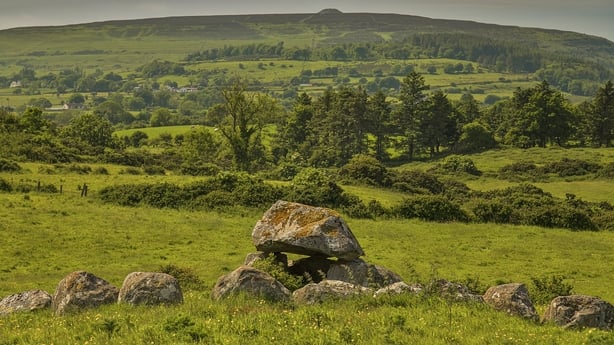
Carrowmore Megalithic Tombs are recognised as one of the highest profile archaeological monuments along the Wild Atlantic Way.
Local Archaeologist Martin Timoney, who was involved in research of Carrowmore Megalithic Tombs in the late 1970s, said he was delighted with the investment in the visitor facilities.
"The dating of the passage tombs in Ireland puts it earlier than Stonehenge and the Pyramids.
"When the World Heritage system comes into place, hopefully, we will be getting greater numbers and hopefully greater investment in research."
Fáilte Ireland Director of Product Development Orla Carroll said the upgraded centre will strengthen Sligo’s position as a cultural destination, encouraging people to spend more time in the county and explore its megalithic sites.
Meanwhile, Minister for Enterprise, Tourism and Employment, Peter Burke, said the development aligns with the Government’s tourism strategy to promote balanced regional growth through high-quality visitor experiences.
The Carrowmore Megalithic Cemetery is open from March to November, with guided tours available daily.