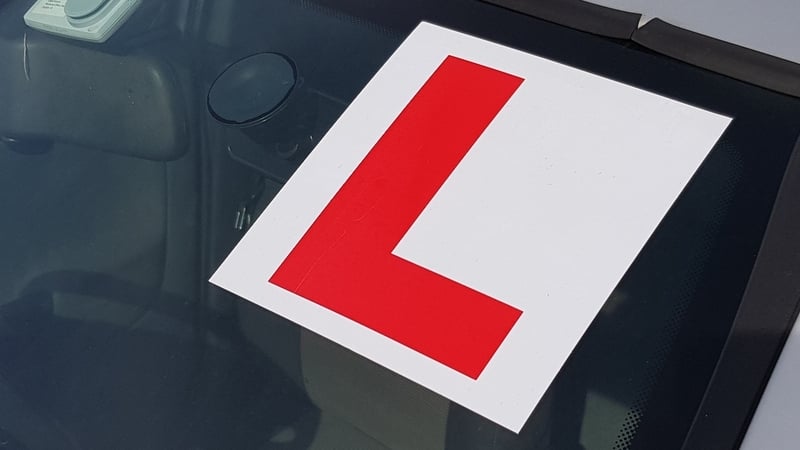

More than 1,200, or 11%, of driving tests were cancelled over the last two weeks because of issues with the presentation of insurance documentation, the Road Safety Authority (RSA) has said.
Since 9 March, learner drivers have been required to provide evidence that they are insured to drive the vehicle they do the test in.
The measure was introduced after an agreement was reached in a dispute over insurance cover between the RSA and the Fórsa trade union, which represents driving testers.
The union had claimed that testers were not fully covered by the State Claims Agency while carrying out their duties, particularly when conducting tests in uninsured vehicles.
From the introduction of the measure until yesterday, 1,237 tests were not done because of issues with documentation.
Initially only paper documents were accepted, but agreement was reached to allow digital proof of insurance.
That change "should help to significantly reduce the high number of cancellations", Fórsa said in a statement.
The union said the change was introduced "in the interests of workplace and public safety".
The RSA had previously said that driver testers have always had the same level of State Claims Agency cover as other members of the public service in the discharge of their official duties.
The Department of Transport said it "has been assured by the RSA that appropriate and full insurance cover is in place for driver testers in the conduct of their work" and that "confirmation of this has been provided by the RSA to driver testers".
The RSA said it is prioritising affected customers with new test dates during negotiations.
As of 21 March, the average wait time for a driving test is 11.7 weeks, above the ten week target set last year.
Dún Laoghaire and Mulhuddart test centres have the longest wait times at 21 weeks, according to the RSA, with Newcastle West in Co Limerick and Skibbereen in Co Cork having the shortest.
Speaking on RTÉ's Morning Ireland, the RSA's Chief Operating Officer said the issue arose after driving testers expressed concern they were sitting in a car with someone who was not insured.
Brendan Walsh said there was a possibility of strike action from driving testers who were concerned about testing uninsured drivers, which led to the changes being introduced.
He said there has been a reduction in people turned away for tests, down from 11% to 7%.
Mr Walsh said that the original 11% that were turned away were being accommodated to re-sit their test in a matter of days.
"They do not go back to the back of the queue," he said.