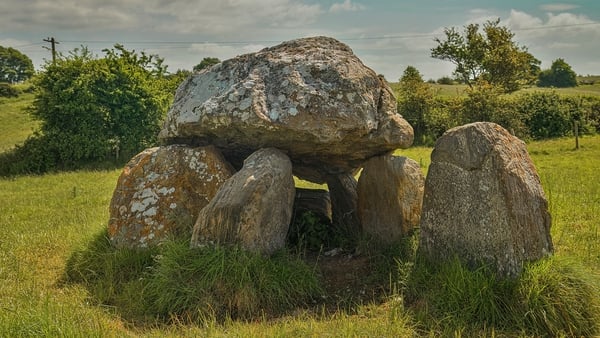
A Sligo archaeologist has identified previously unrecorded burial grounds used for babies who were stillborn, miscarried or who died soon after birth without being baptised.
Research by Dr Marion Dowd, a lecturer in archaeology at Atlantic Technological University, has led to the identification of 32 previously unrecorded 'cillíní' in Co Sligo.
Cillíní likely emerged in the 17th century as graveyards for unbaptised infants, most often those who were stillborn or who died shortly after birth.
The research brings the known number of burial sites associated with unbaptised infants from 25 to 57 in the county.
The locations were identified using a combination of 1930s folklore from the National Folklore Collection's sources alongside engagement with local communities and landowners.
References to cillíní in the National Folklore Collections were cross-referenced with archaeological maps, field inspection and conversations with landowners.
Until reforms were introduced by the Second Vatican Council in the 1960s, the Catholic Church did not permit unbaptised babies to be buried in consecrated ground.
Historical records show these sites continued to be used until the mid-20th century.
Some locations have never appeared in official archaeological surveys.
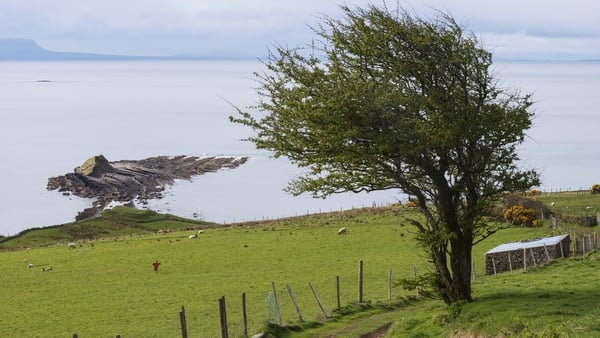
One such example is Lisheen na bPáistí in Rosses Point, hidden from view of the nearest road.
The burial ground is located in an elevated corner of farmland beneath mature trees in the corner of a field against stone walls, white hawthorn bushes and vegetation.
"Lisheen na bPáistí translates as the 'Little Fort of the Children’. This is one of the recently identified cillíní in Sligo," Dr Dowd told RTÉ News.
She said the project began six months ago with the aim of documenting all known children's burial grounds in the county.
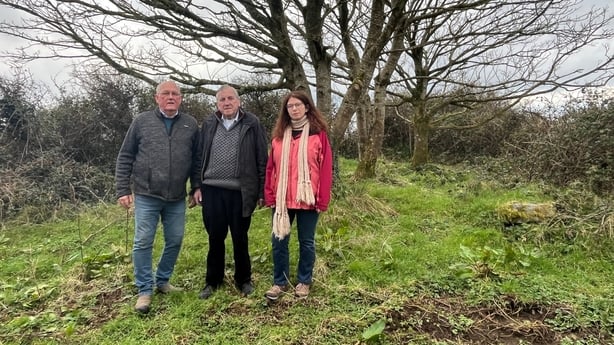
Dr Dowd has met people across Co Sligo who had siblings who were buried in cillíní up to as recently as 1965.
"When we started, there were 25 recorded sites protected under the archaeological legislation.
"We've added 32 new sites. Overall, there are now 57 children's burial grounds in Co Sligo and that's probably just the beginning," she said.
Dr Dowd added that there are approximately 1,500 cillíní on record in Ireland, mostly in the western counties of Mayo, Galway, Clare and Kerry.
She said such burial grounds were also sometimes used for adults who were not permitted interment in consecrated ground, including those who died by suicide, women who died in childbirth, and bodies that had washed ashore.
Early medieval ringforts, ruins of old monastic sites, old church sites and the corners of fields were typically used as burial places for the unbaptised.
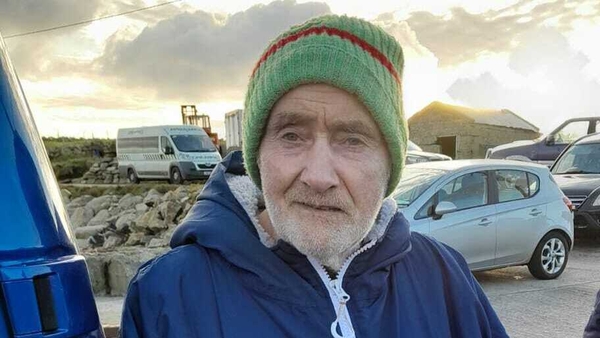
Local historian and north Sligo farmer Leo Leydon is assisting Dr Dowd in her research.
He has been asking farmers around Sligo about similar burial grounds.
Mr Leydon said his knowledge of cillíní began in childhood, when his mother brought him and his siblings to local sites several times each year.
"As a child, she had us praying for lost souls in Limbo in November time," he said.
Mr Leydon said burials in his local area ended in 1948 and that memories are fading.
"It’s important we gather this information before the last of that generation passes.
"A lot of these babies were buried by a brother, uncle or father, who came in the dark of night with a spade.
"Everything was so secretive. They’re in such out of the way places. So, only a few people know about them," he added.
Mr Leydon believes many more sites remain to be identified nationwide.
"I would like to see them marked and given the respect that they deserve," he said.
A cillín located on land owned by Paddy Killerlane is included in Dr Dowd’s research.
He learned about it as a child while working in the fields with his father.
"I was out in this field with my father when I was 12 years of age making hay. I asked him, ‘what’s that mound [in the corner]?’ He said unbaptised babies are buried there."
Mr Killerlane remarks that many people in the area are not aware of the unmarked burial ground in Rosses Point.
"Not a lot of people here know about it. They’re just babies that never made it.
"They're all little angels in heaven, if there is a heaven. It’s important they’re remembered," he said.
Dr Dowd said many cillíní remain known to local communities and landowners, with much of the new information coming from local knowledge and living memory.
"There are many people in Ireland today who have relatives who were buried in cillíní and so they're part of our shared past.
"From our perspective, the most important thing is to have these little cillíní marked on archaeological maps," she said.
Dr Dowd has urged anyone aware of unrecorded cillíní to contact the National Monuments Service through archaeology.ie so sites can be documented and given legal protection.
We need your consent to load this rte-player contentWe use rte-player to manage extra content that can set cookies on your device and collect data about your activity. Please review their details and accept them to load the content.Manage Preferences