


A representative body for one-parent families in Ireland has called on the Government to extend the fuel allowance for a number of weeks due to the increase in energy prices.
One Family has expressed concern over the "rapid rise" in energy prices due to the Middle East war.
It comes as home heating oil prices have reached €880 for a fill of 500 litres as a result of the Iran conflict, with the closure of the Strait of Hormuz exacerbating prices further.
The prices were below €500 before the conflict in the Middle East began last weekend.
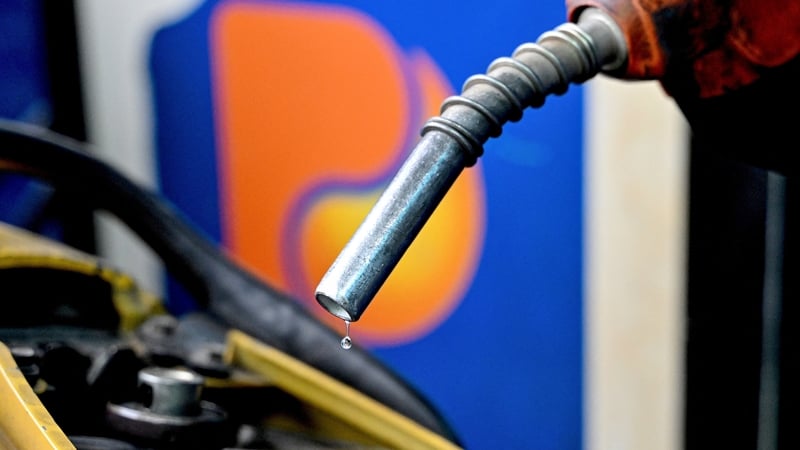
Meanwhile, the price of a litre of petrol has reached €1.90 at some services stations while the cost of diesel has reached €2.08 at some forecourts.
One family said one-parent families were continuing to experience the impact of inflation and the cost of living triggered by the war in Ukraine four years ago.
It has called on the Government to extend the fuel allowance to the end of April.
Lone parents have been highlighted as being amongst those at the greatest risk of poverty in research conducted by the Economic and Social Research Institute (ESRI).
Sinn Féin calls on Government to "act now" to tackle rising fuel costs
Sinn Féin Finance spokesperson Pearse Doherty said it was not acceptable to ask people to wait to see how the situation played out regarding rising energy costs.
"Families who have to get their kids to school or make that hospital appointment are now being charged €2.09 in some petrol stations for diesel, and the Government brought in €38 million extra as a result of these fuel hikes last week alone," he said.
"So it is time for the Government to act. People right across the State are telling the Government, stop being spectators. Act now. You have the power."
He said Sinn Féin has produced the Mineral Oil Tax (Emergency Cost of Living Reduction) Bill 2026, which he said "would introduce temporary reductions in fuel taxes for a six-month emergency period"
He said this would "provide immediate relief to households, workers and farmers facing escalating energy costs".
Meanwhile, Labour has accused the Government of a "cop out" by not coming to the aid of consumers hit with rising prices in motor fuel and home heating oil.
Labour TD Duncan Smith said: "The home heating oil companies didn't take a wait and see approach. They were quick as a flash and massively increased their prices.
"So if this does de-escalate, and prices do come down, there will still be a large cohort of people who had to get a fill in these couple of weeks, who've been absolutely gouged out of it.
He said the Government has a maximum price order they can bring in under the 2007 Consumer Act, which "they're refusing to do".
Mr Smith added that the Government was totally wrong on the issue.
Fuel cap is going to cost money, says UCC lecturer
Lecturer in Accounting at University College Cork Dr Oliver Browne has said that the impact of the war in the Middle East will be felt by consumers "at every point".
Speaking on RTÉ's Morning Ireland, Dr Browne said stocks of existing diesel, petrol, fuel in farms and businesses that deplete will "have to be replaced at a higher cost".
He said: "They're not going to sit on that cost. It's going to come into the consumer at every point."
He highlighted what he termed as a "significant bottleneck" of fertiliser in the Strait of Hormuz saying, "the cost of that is going to go up as demand goes up".
"The oil is going up. So every transport … with haulage is going to go up.
"It’s a significant kind of across the board threat of costs that it will cause inflation at some point because it's at so many points of the supply chain that it has to get passed on," Dr Browne said.
Listen: Planned haulier protest over oil costs postponed
We need your consent to load this rte-player contentWe use rte-player to manage extra content that can set cookies on your device and collect data about your activity. Please review their details and accept them to load the content.Manage Preferences
On possible Government options in response to rising costs, Dr Browne said Ireland is in lockstep with the EU with virtually every decision that it makes.
"We were very much kind of chastised previously for going unilaterally on some decisions around Covid outside of the EU scope. We're not going to start importing Russian oil …
"I don't think the Government has a whole pile of options on what they're going to do. A fuel cap is going to cost money. The only thing that we could potentially do is reduce excise duty on oil in the country, but that would probably be above and beyond the limit," he said.
"So, it wouldn't be across all of the oil price. It might be oil prices beyond 1.70 might have a cap on the excise duty on that, which will have a limited impact, but will have some kind of moderating impact on the increase," he added.
He said the "carbon tax is something that the EU wants to impose regardless of crisis or not. If the EU decides that they're going to broadly suspend us, then they will".
"If we go unilaterally again and do this, like this isn't the first time we've talked about it, I think that we're already kind of a pariah state on the environment at the moment.
"We don't want to be pushing that button. It's kind of a relatively nuclear button in the EU if we do that," he said.
"So, I think that they'll look for every other lever that they can before they start doing those broad measures that will upset the EU."
Read more:
Oil blockade will continue until attacks end, Iran says as Trump threatens heavier strikes
Follow live updates from the Middle East here
Oil sinks 7% as Trump predicts Middle East de-escalation
