Gardaí last year identified and safeguarded 151 children who were suspected victims of online exploitation and harm, 16 of whom were in Ireland.
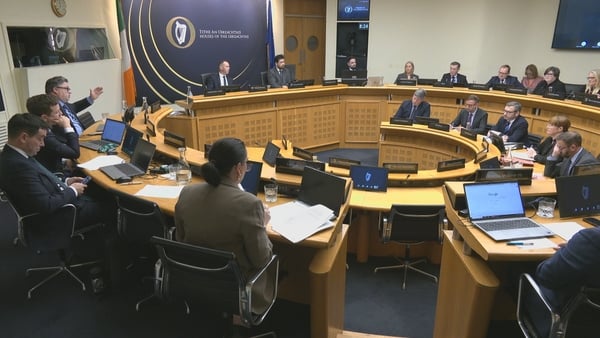
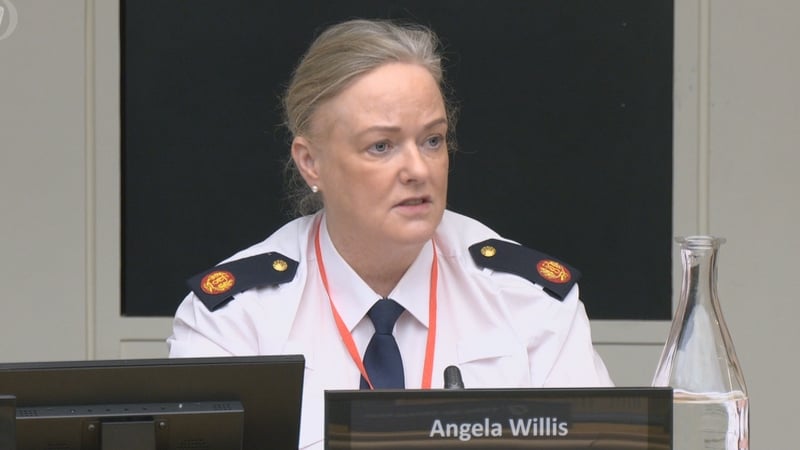
Assistant Commissioner Angela Willis, with responsibility for organised and serious crime, told the Oireachtas Committee on Children and Equality that these children were located in Ireland and across the globe in conjunction with Europol.
She told Senator Mike Kennelly that in cases when suspected victims are identified in Ireland, in the first instance they are removed from harm and safeguarded through working with Tusla, before investigations are launched.
She said: "The perpetrator might be here, but they might not be here, they might be somewhere else around the world and that's where in the initial phases police-to-police contact comes into play.
"And if we need to bring that to a prosecution we may have to go through the formal route of mutual legal assistance requests to get the information in a method that can be produced as evidence within a court setting."
In her opening statement to the committee, Ms Willis said that the online threat landscape was now growing in both scale and sophistication, presenting unprecedented challenges for law enforcement.
"Risks now extend beyond traditional concerns, such as online grooming, cyber bullying and exposure to inappropriate content, encompassing more sinister forms of exploitation through social media and gaming platforms.
"Technology has increased the scale, speed and anonymity in which offenders can operate often across jurisdictions, making prevention and enforcement more complex," she said.
'Sufficient' powers to investigate child abuse material - gardaí
Ms Willis told Social Democrats TD Aiden Farrelly that in relation to the production and circulation of child sexual abuse material, be it AI-generated or otherwise, the gardaí have "absolutely sufficient" legislative power available.
She said when it comes to intimate image abuse, gardaí need a complainant and for that material to be circulated in order to investigate.
Ms Willis said the gardaí's primary aim is that children are not harmed in the first place, but if that happens the aim is to catch the perpetrators and bringing them before the courts.
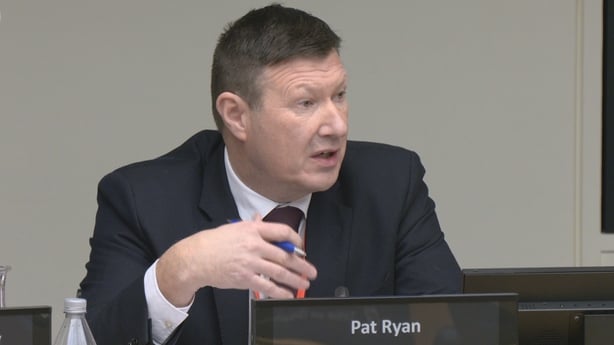
Detective Superintendent Pat Ryan of the Garda National Cyber Crime Bureau, said one of the biggest issues is access to data.
He said: "Depending on where data resides, having access to data if its in this jurisdiction or a European level is one thing, but it can also reside anywhere globally.
"In order for us to progress with our investigations, we have to look at our procedure that’s in place."
Ms Willis told Sinn Féin TD Claire Kerrane that if material that gardaí need to access is located in another jurisdiction, it can be more complex.
She said it was equally complex in relation to an individual or in relation to a corporate entity.
"We could end up going to a jurisdiction that doesn’t have similar laws to us, which can be quite complex when trying to access the information and sometimes we don’t get the full information that we might need to present to the DPP for consideration of a prosecution," she said.
Ms Willis added that while gardaí receive lots of referrals, only some will meet the criminal bar.