The head of MetroLink has said it is likely to pay over €30 million to buy homes in Dartmouth Square in south Dublin, as part of a deal with residents to withdraw their judicial review of the project.
Metrolink Programme Director Seán Sweeney said the cost would be cheaper than the €1billion a year that could have been incurred by delays.
He also confirmed that Transport Infrastructure Ireland is now in talks with another group of residents in Glasnevin in north Dublin to buy their homes.
It is understood residents of The Court at Dalcassian Downs are likely to be able to avail of a voluntary purchase scheme similar to that offered to residents of Dartmouth Square.
The apartment complex contains around 50 homes, estimated to be valued at around €300-400,000 each.
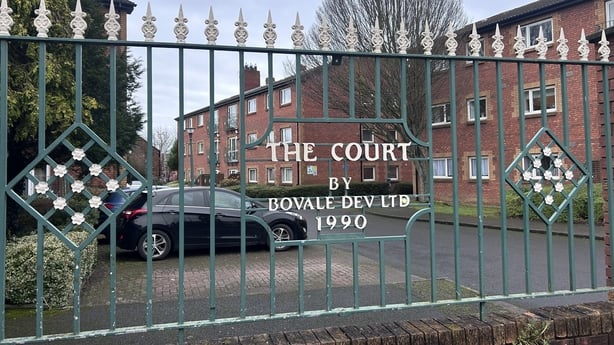
Mr Sweeney also confirmed that TII intend to eventually re-sell the properties but that they may be used to house works during the construction of the rail project.
On Christmas Eve, Transport Infrastructure Ireland announced it had struck a deal with the residents of Dartmouth Square to buy their homes.
In return, they agreed to withdraw a judicial review which they had taken against the project.
Speaking to RTÉ's News at One, Mr Sweeney revealed the first details of the agreement, saying they expected to buy between 10 and 15 of the large redbrick homes in Dartmouth Square in Ranelagh, which back on to the proposed station at Charlemont.
He said the purchase of the homes was a "no brainer", adding that a judicial review "could have delayed the project for easily one to two years".
"All we're doing is paying for properties that we then own and can resell," he said.
We need your consent to load this rte-player contentWe use rte-player to manage extra content that can set cookies on your device and collect data about your activity. Please review their details and accept them to load the content.Manage Preferences
The 19-kilometre line will run between Charlemont and Swords, and will include stops at Dublin Airport, Dublin City University and the Mater Hospital.
Mr Sweeney said the issue of purchasing homes is "still evolving".
"What we're giving people is the option for us to purchase their houses, and they can exercise that option in the next two years."
He said the cost to the State of purchasing the homes will depend on how many people decide to take up the option, adding that it "could be easily north of €30m".
He said his understanding is that the value of any of the homes will be "independently assessed by some form of valuation" and will be a "fair and transparent way of assessing the value".
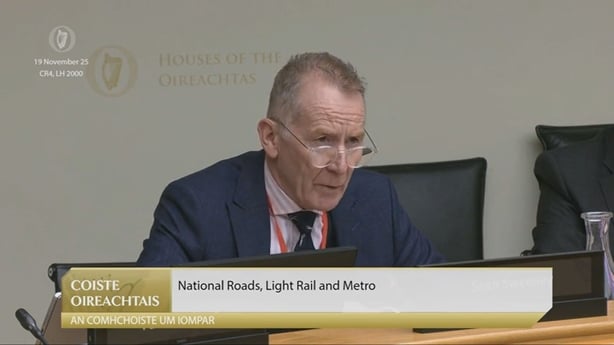
Mr Sweeney explained: "We're buying significant real estate that will maintain its value, and if anything it will have a higher value once the station's complete.
"So, it's not like we're just paying money to something that disappears, and at a point in time the houses will probably be resold back into the market.
"So, it is not a loss to the State. We're buying an asset which has value and that will be maintained."
Mr Sweeney said it is a "possiblity" that the publicity around the Dartmouth Square homes could encourage more residents along the MetroLink route to come forward, arguing that their lives are going to be disrupted and will want the State to buy their property.
However, he said there is a "threshold test" residents would have to reach before discussions could begin.
We need your consent to load this rte-player contentWe use rte-player to manage extra content that can set cookies on your device and collect data about your activity. Please review their details and accept them to load the content.Manage Preferences
Similar agreement to be reached with Glasnevin residents
Mr Sweeney said he has only recently become aware of a similar matter regarding homes in the Dalcassian Downs area of Glasnevin on Dublin's northside, which will also be served by the route.
"But the understanding I have is it'll be the same form of agreement that we've reached with Dartmouth Square," he said.
He said the same terms will apply to these residents "if they meet a certain criteria in terms of impact".
Mr Sweeney said he has not been fully briefed on the Glasnevin homes issues as it has only come up in the "last few days".
However, he said his understanding is "they have significant impacts as well" and the residents would reach the criteria for "interference".
He said the MetroLink project has been doing this "for the past year to other people who had similar impacts".
"This is not a new concept. It's a concept we've been working with...or had agreements to purchase if people so wished.
"So, this is not a new approach," he said.

First phase of work could begin in 2028
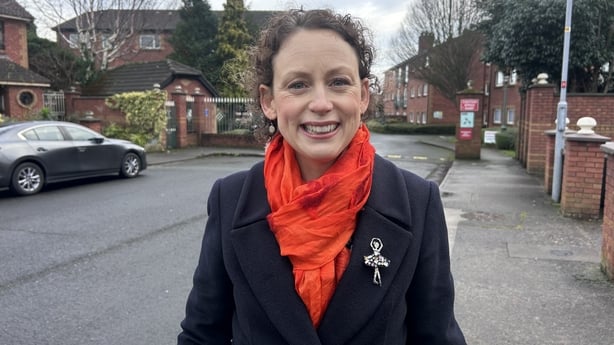
However Labour TD for Dublin Central Marie Sherlock says residents of the northside apartment complex need to be given the same deal as the residents of the southside square
"The impact will literally be seismic for the residents in the three blocks of apartment, they're living right next to what will be the largest station along the Metrolink site. Many of the residents are obviously weighing up their options at the moment, but there are going to be massive impacts.
"There is a reality that Dartmouth Square residents, and it was within their right to initiate legal proceedings, but that is an option that hasn't been available to all those directly and very sizeably impacted by the construction.
"We have to ensure that as good a deal is done for the residents here on the north side, as there was for the residents in Dartmouth Square and to ensure that it's not just the market value, but also to ensure that they can stay in the community, that they can move to comparable housing."
Mr Sweeney said Metrolink are still considering what to do with the properties they acquire
"We're not sure we could use them for the project accommodation. I'm not sure whether we could let people stay in them, because they would encountered the same problems that the residents have been complaining of. We haven't really thought that far through, but the only thing I've heard discussions using them as Project accommodation for project administration staff."
He also said he's excited that the project will go to tender in two weeks time but that it will be next year or the year after before the cost of the long awaited project is known
"Until the contractors come back telling us what they are proposing to build, we just have estimates. So we're not going to have finalised estimates to late 2027 or early 2028 likewise, those builders will tell us how long they think it's going to take them to build. We have estimates, but at the moment, we are really waiting until we've completed those procurements."
He said he hopes the first phase of work on the project can begin by late 2027.
On the overall cost of the project, Mr Sweeney said they are "updating their costs and their schedules" because their schedules before Christmas had factored in a judicial review.
But the removal of the judicial review "has big positive impacts on both time and cost".
"So we are working through those but we need to update Government first before we talk to anyone else and we're going to do that in March."
He said the first trains will operate "some time in the mid 2030s".