


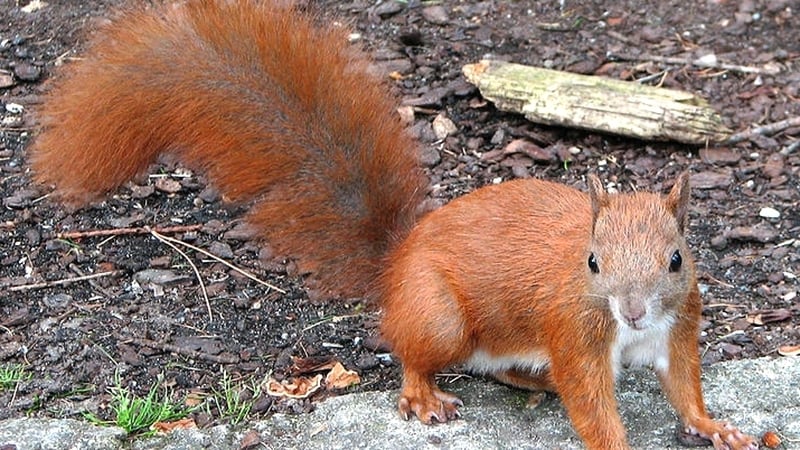
People are being invited to join a nationwide survey mapping the distribution of red and grey squirrels, and pine martens to mark Red Squirrel Appreciation Day.
The survey is being led by researchers from University of Galway, Ulster Wildlife, and The Vincent Wildlife Trust.
Dr Colin Lawton, University of Galway School of Natural Sciences, said they have been doing this work dating back to 1997, a time when "things didn't look good for the red squirrels".
He said red squirrels had been under threat from the invasive grey squirrel species that was introduced in the early 20th century, "and it looked like the red squirrel was just going to eventually disappear".
However, he said that more recent surveys have shown that grey squirrels have been "knocked back" and as a result the red squirrel "has been able to recover".
He said this has been linked to pine martens, which can feed on grey squirrels "and that gives the reds the opportunity to recover".
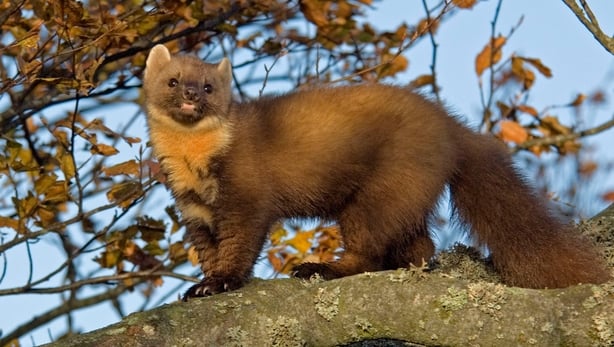
Dr Lawton said pine martens can catch grey squirrels "much more easily" than they catch reds, because greys are bigger, stay closer to tree trunks, and they do not have the "wit" to stay away from pine martens, whereas reds are "very wary" of pine martens and can live "quite comfortably" by just keeping their distance from them.
He said that pine martens are also making a comeback after almost completely disappearing from Ireland.
They have been protected since the 1970s because they were being persecuted as they can cause problems for chicken farmers or people who rear pheasants.
Dr Lawton said pine martens have spread "through much of the island [of Ireland] once again".
"And it just shows how beneficial this sort of conservation work can be in protecting animals."
He said those behind the nationwide survey of red and grey squirrels and pine martens are hoping to "tap into the vast knowledge the public have".
"They know where what animals are found in their local parks and woodlands," and people can go to the website of the National Biodiversity Data Centre and register a sighting by submitting on the interactive map to show exactly where the squirrel or pine marten was.
People can also post a photo of the animal if they wish to.
We need your consent to load this rte-player contentWe use rte-player to manage extra content that can set cookies on your device and collect data about your activity. Please review their details and accept them to load the content.Manage Preferences
