


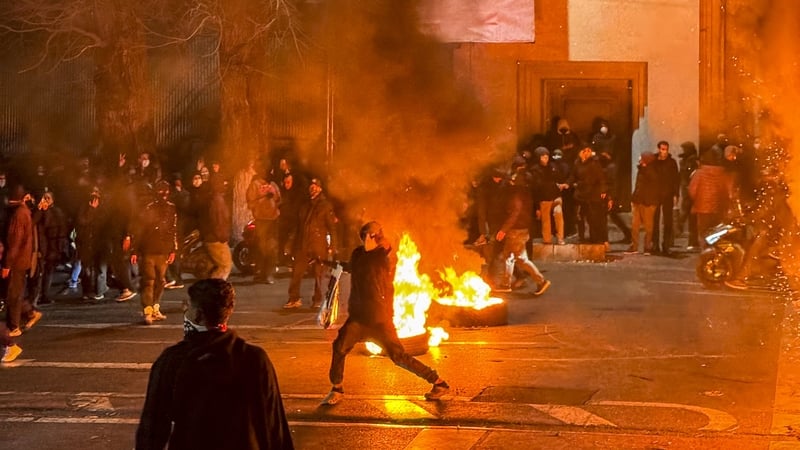
An Iranian lecturer working at University College Cork has described events in Iran as a "massacre", with live ammunition being used against "peaceful protesters".
Unrest in Iran began a fortnight ago as demonstrations against dire economic conditions, but has rapidly escalated in recent days.
It has been described by both Iran and its Western foes as the most violent unrest since the 1979 Islamic Revolution.
Speaking on RTÉ's Morning Ireland, Dr Mastoureh Fathi said she has not had any contact with her brothers who live in Iran, nor with any of her friends there, since last week.
She said the protests were prompted by high inflation, but people want regime change in Iran as they are "fed up" and tired of the situation there.
Dr Fathi said decades of sanctions have crippled the economy in the country, which has left Iranian people "destitute for very basic needs", which she said has led to the recent protests.
She said millions of people took part in the protests peacefully.
"They opened fire on peaceful protesters who were on the street."
"I know my friends were on the street because they told me that they were going on the streets. I know that many of my family members were going on the streets," she said.
"There was no discussion of not going on the streets. That needs to be understood, that this was a widespread national protest against the regime.
"It was instigated by very high inflation, but it was instigated to go against the regime because Iranian people do want the regime change."
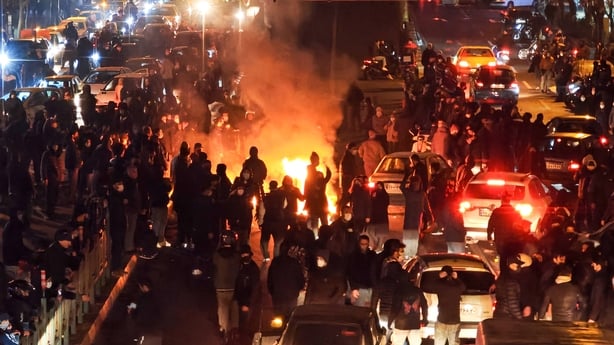
Dr Fathi added: "We saw in front of our eyes the massacre and the mass killing of thousands started unfolding. We saw images that you cannot believe that there are hundreds of dead bodies in morgues in Tehran and in other cities.
"They have opened fire on these millions of people using shotguns, machine guns, live ammunition, heavy machinery, using military bullets.
"They just didn't care who they were shooting at. They opened fire on peaceful protesters who were on the street. And of course, they were chanting, End to the regime, because they're fed up. They are tired of what is happening in the country."
The US-based HRANA rights group said it had so far verified the deaths of 2,403 protesters and 147 government-affiliated individuals.
Rights groups say that the figure could be a lot higher due to internet blackouts causing difficulties in verifying deaths.
An Iranian official said on Tuesday that about 2,000 people had been killed in the protests, the first time authorities have acknowledged the high death toll from an intense crackdown on two weeks of nationwide unrest.
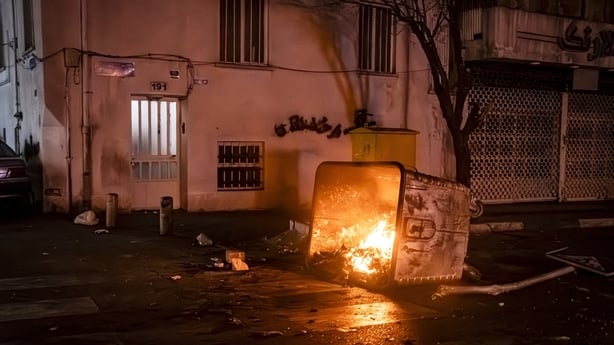
Dr Fathi said communication channels have been shut down and authorities are going house to house dismantling satellite dishes to stop people seeing any coverage of the demonstrations and the crack down.
She said many of those who had visas or were residents outside the country have managed to leave.
"And we have witness accounts through recorded voices that they are saying that they even went on the streets on small alleys and they killed whoever was just outside, standing outside their own houses," she said.
"So, if they could manage to kill anybody, they did."
Dr Fathi said many families do not know where their dead relatives are because bodies have been taken to unknown locations.
The regime is asking for up to €3,000 per body to release it to the family, she added.
"So, what we are seeing is literally not just a massacre, but a massacre combined with absolute, absolute lack of morality in relation to even a dead body that is not being released to family members."
A senior Iranian official has said Tehran has warned its neighbours it would hit American bases if Washington strikes.
The United Nations Security Council is due to meet today on Iran today at the request of the United States.
We need your consent to load this rte-player contentWe use rte-player to manage extra content that can set cookies on your device and collect data about your activity. Please review their details and accept them to load the content.Manage Preferences
