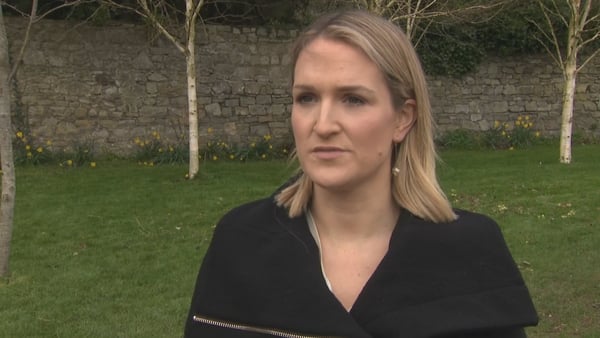

There have been calls on State bodies to include religious communities in efforts to help integrate members of immigrant communities.
A recent report found there are 49 different faith-based communities operating in Dublin's northeast inner city alone, and that they're often the first port of call for new arrivals here.
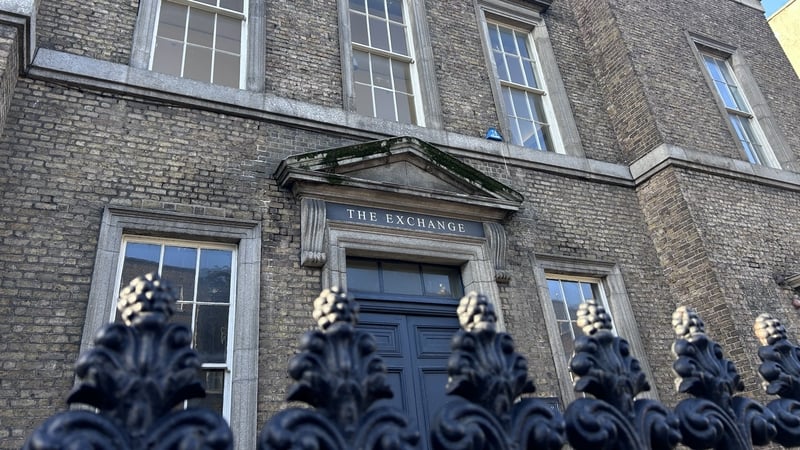
In a former Labour Exchange building, located between the Customs House and O'Connell Street, every Sunday morning up to 300 Evangelical Christians come together to celebrate their faith.
Senior Leader at Trinity Church on Gardiner Street Joseph Kerrigan says this place is often the first place new arrivals to Ireland of that faith seek out when they are trying to settle here.
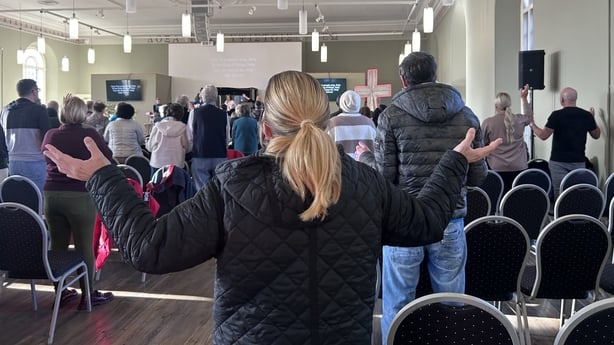
"There's a vast diversity of people come through our doors. We have people from Lithuania, from Poland, we have people from Nigeria, we have people from India. We have people from across the world," he said.
"This used to be on the port. It was purposely built back in 1837 for this area. A lot of people come into this area on the boats, and they were welcomed here, and they are still welcomed here.
"They come looking for a place where they can rest, where they can worship, where they can feel a home even though they're away from home.
"For those who come here there's a sense of belonging and for locals who attend, it is a chance to meet people they may not ordinarily get to know."
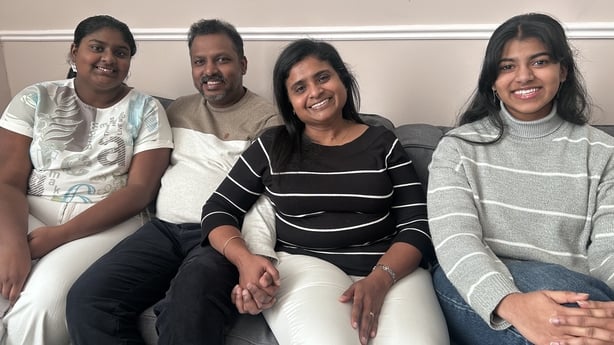
Mary Samuel Jayachandran is originally from southern India. She and her husband Jason came to Ireland 17 years ago and lived in Wexford before settling in Beamount in north Dublin.
She said that for the couple, and their two girls Coral and Pearl, Trinity Church feels like home.
"We don't have any extended family here and so this is really, really crucial that we have a community, and we feel very welcomed here. You can actually see almost every continent is represented, not every country, but every continent is here in this church," she said.
"There are days that I would come in really feeling low, and somebody here would always have a lending ear to listen to me, and that's all I want.
"Then there are days that where we feel that there's a lot of success and good days, and this is where we come and share our joy as well."
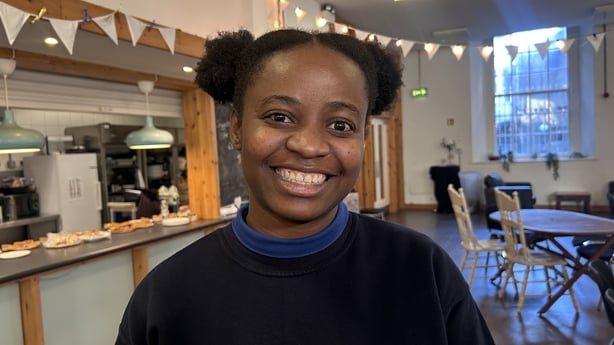
Tantiana Batwendesao came from Congo to Ireland as an asylum seeker when she was 17 years old. She now lives on Gardiner Street and says the church is a safe place for her.
"It's hard to be alone. So, if you feel a bit anxious, you can just come here and there's always some to hug, there's always some one to look over you and help with many big things," she said.
Jennifer Fitzsimons, from nearby Mountjoy Square, joined the church a number of months ago and says it has given her an opportunity to meet new people.
"Everyone is coming from different cultures, different backgrounds, but it's like everyone just blends together, and everyone just chit-chats and everyone just gets to know each other a bit more. It's really good," she said.
Jamie Palmer from East Wall has been attending Trinity Church for four years and says the community is extremely diverse.
"We do a lot of group work in here. So we always integrate different people in different groups," she said.
"I have a granddaughter and there's a couple here, Baby and Raj, they're from India and they're like her grandparents. Everyone just meshes in here so well together. It's just lovely."
Janice Dunne from Sean McDermott Street echoes that view.
"I'm coming to Trinity, I'd say about roughly seven, eight years. It doesn't matter what nationality you're from, what colour you are, it's like we're all one."
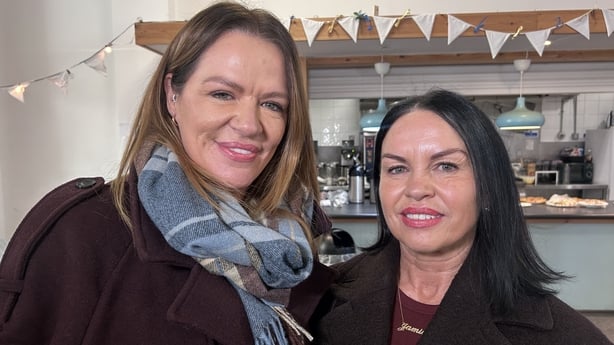
A recent report by the Jesuit Centre for Faith and Justice found that there are 49 different faith-based communities operating in Dublin's northeast inner city alone.
Sophie Manaeva, Theological Researcher with the Jesuit Centre for Faith & Justice, says that because of the role these religious groups play in the lives of new arrivals to Ireland, they should be included in efforts to integrate immigrants.
"There are 49 faith-based communities in the area, which is more than the number of pubs, and I think that just speaks to just how rich these communities are and how much they offer civic life in the northeast inner city," she said.
"What we're recommending is that the State engages this and work with these communities, because they're already contributing so much to integration in Dublin.
"What we're looking for is a recognition of that and increased religious literacy, religious training and faith liaison officers."
Not far from Trinity Church, a Pentecostal congregation of about 25 people who come from places Malawi, Botswana and South Africa hold their service in small a community hall close to the North Strand.
Jeromy Nkhata, Pastor of The Power of God Ministry, says the church a vital anchor for new arrivals.
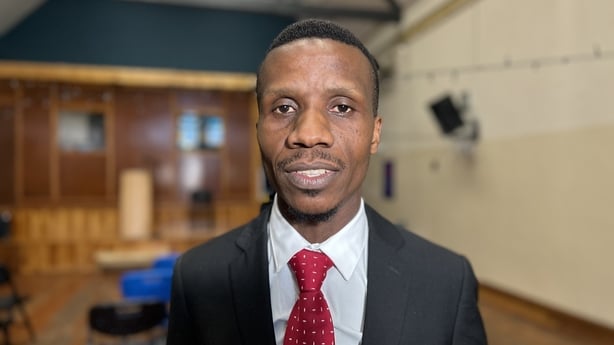
"90% of this church members are asylum seekers. They come together and share important aspects of the community, to improve their lives, sharing information about HIV support and services, sharing job opportunities, sharing housing.
"The faith based communities has helped a lot with integration," he added.
The Jesuit Centre for Faith and Justice says tapping into the network of these religious communities and helping them meet their needs, such as space to practise their faith, can help make the city a more welcoming and safer space for migrants.
Ms Manaeva says the Dublin riots two years ago show why this is important.
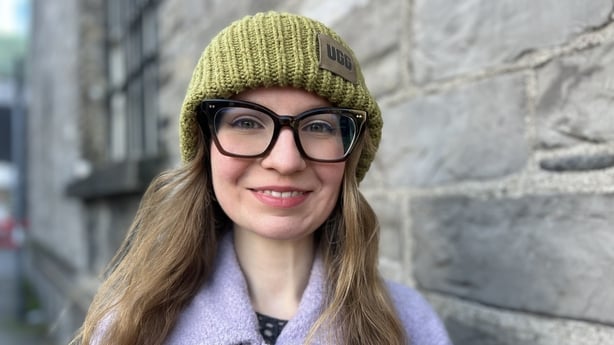
"One of our recommendations is a register of these communities, of having a map for workers in the northeast inner city, people on the front lines, so that they know where these communities are, and to also have a faith liaison officer," she said.
"It improves crisis readiness, that front-line workers are able to find these communities, are able to inform them and give them live updates for anything that may happen.
"Space is such an issue for these communities, and they're constantly in flux. So, they may be renting a room here, and then the next week be renting a hall in another space.
"When something like the riots happens, it's very difficult for gardaí, for example, to find and protect these communities, which are quite vulnerable in moments like that. Having this live register, having a report channel for these things would be really useful in being able to protect these members of our society."