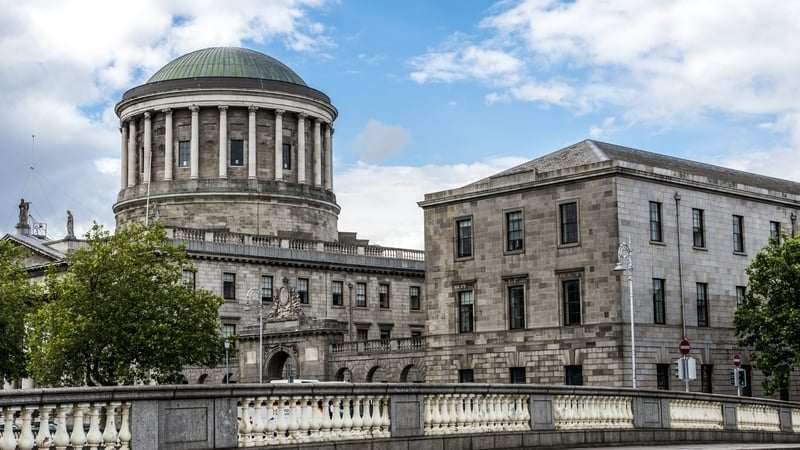

The High Court approved measures described as "dramatic, very exceptional and unprecedented" by the Child and Family Agency, Tusla, to care for a child considered to be the most vulnerable in the country.
The President of the High Court granted orders sought by the agency earlier this year to place the child in one of the country's secure special care units for children, even though the units were already operating at full capacity.
When the matter first came before the court, extremely strict reporting restrictions were imposed to protect the identity of the child. Those restrictions have now been varied following a number of hearings and applications by lawyers on behalf of RTÉ, the Irish Times and Mediahuis, the publishers of the Irish Independent, allowing some details to be reported.
President of the High Court Mr Justice David Barniville described the circumstances of the case as "extremely difficult and traumatic for everyone". He said he had been told the dramatic, exceptional and unprecedented steps taken by Tusla in this case could not be replicated in the future.
The court heard the child has now stabilised and is doing well in secure care, where they feel happy and safe. The exceptional measures were scaled back when another child left secure care and a placement became available.
Six other children are currently waiting for beds in special care units as a result of orders made by the High Court against Tusla. The children, aged between 11 and 17, have all been found by the court to be in need of secure care to protect their lives and their welfare.
But the court has been repeatedly told there are no beds available in the country’s three special care units. This is due to an ongoing crisis in recruiting the staff necessary to open the extra beds.
Judge Barniville was told the child in this case has been known to Tusla for a number of years and has a history of absconding from care. The judge said the child had a difficult background and he had been told they needed a safe, stable and secure setting to address their needs.
During the hearings, Senior Counsel, Shane Costelloe on behalf of Tusla, said there were very grave concerns about the child and all other placements for the child had not been successful. He said there had been multiple meetings to discuss the child’s care, involving officials right up to the Chief Executive Officer of Tusla.
Mr Costelloe said it had been hoped a place would become available for the vulnerable child, due to the transition of an older child, who was turning 18, out of special care. However, this did not happen in time and it became necessary to create a new, temporary placement for the vulnerable child.
Mr Costelloe outlined to the court, the series of exceptional and unprecedented steps he said Tusla had taken to create the extra place. He told the court nothing like this had ever happened before or could ever happen again.
The court was told the Health Information and Quality Authority (HIQA) had allowed changes in regulations to permit the creation of the place.
Seven extra staff members were required to allow the placement. To get these staff members, Mr Costelloe said a newly established children’s residential care service, which had been expected to come on stream, had been postponed. Referrals to a number of other centres were temporarily suspended and there was a nationwide call out for employees of Tusla to assist.
Mr Costelloe said there had been an unprecedented response to this call and several staff members had relocated from regions around the country and were accommodated in Dublin hotels for a number of weeks.
The measures sought by Tusla were supported in court by lawyers acting for the child’s court appointed guardian ad litem as well as for the child’s mother and father who were both represented in court.
Mr Justice Barniville described the steps taken by Tusla as "very dramatic".
He said the child was at a very great level of risk and had been described as the most high risk child in the country. But he said the steps taken by Tusla also affected other children and members of staff.
He noted that a number of other previous placements had broken down despite the supports that had been put in place.
Without the secure placement, he said there was a real risk of significant harm to the life, health, safety, development and welfare of the child. He said a report before him from a senior Tusla official said it was imperative the child’s safety and welfare were secured as a matter of urgency and expressed regret the agency had been unable to do this to date.
The judge made the orders sought in the best interests of the child.
Barrister John Maher on behalf of RTÉ, the Irish Times, and the Irish Independent made a number of applications, asking the court to be allowed to report on some of the details of the case in the public interest.
Mr Justice Barniville said the priority was that the child would not be identified and the child’s interests were paramount. However, he said there was always going to come a time when a number of the restrictions would have to be lifted, due to the issues of exceptional public interest raised by the case.
He said it seemed to him the balance had shifted somewhat to allow some easing of the restrictions today.
The case will be back in court in the new year.