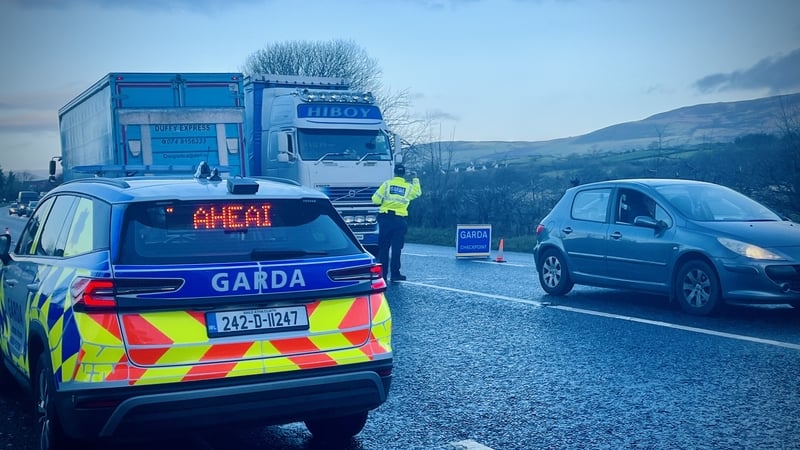

Gardaí arrested 118 people for driving under the influence of alcohol or drugs during the first week of their Christmas road safety campaign.
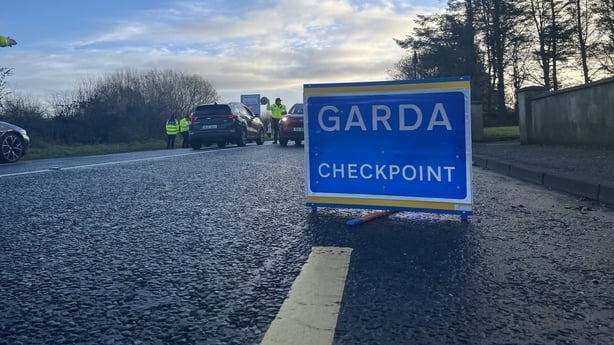
Over the past week, gardaí carried out about 1,750 checkpoints, both statutory mandatory intoxicant testing and regular, high-visibility policing checkpoints.
More than 3,100 drivers were detected for speeding offences within the past week, and more than 630 vehicles were seized for offences under the Road Traffic Act.
One motorist was detected travelling at 159km/h in an 80km/h zone on the R418 in Kilcullen, Co Kildare, while another was detected travelling at 185km/h in a 100km/h zone on the N80 in Craan, Co Carlow.
Approximately 390 fixed charge notices were issued for the offence of using a mobile phone while driving and 110 fixed charge notices were issued for seat belt offences.
The Christmas period is one in which road users are at the highest risk of being involved in a fatal or serious road traffic collision.
At a joint Garda and PSNI road safety briefing at Bridgend border crossing in Co Donegal, both policing services issued a similar message.
Superintendent David Kelly said they were asking everybody to support them in this campaign.
"The best Christmas gift we can all have is everyone at home and no more fatalities before Christmas.
"Neither myself, my garda colleagues or our PSNI colleagues want to be knocking on the door of a family giving them terrible news," he said.
Gardaí are engaging in high-profile policing as part of their Christmas campaign concentrating on what is described as "key lifesaver offences," including driving under the influence of alcohol or drugs, reducing speed, wearing seatbelts and not using the mobile phone while driving.
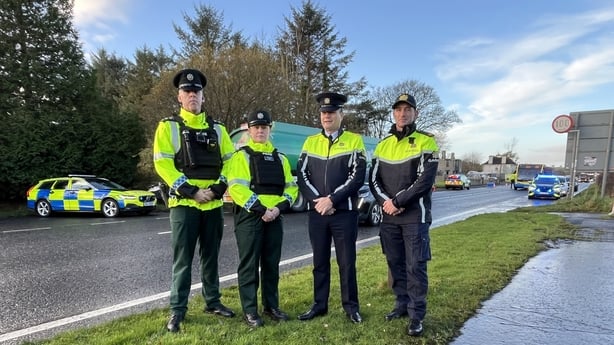
Supt Kelly said prevention is equally important to detection in road safety.
"When people die on our roads, we see great community support at funerals; we have representatives from clubs and societies doing guard of honours.
"I'd ask the communities now not to get involved post the fact but before, by encouraging their membership to be safe on the roads.
"We want you to support us to help keep everyone safe. If you know somebody who’s getting into a car under the influence, have a word in their ear," he said.
Across both the Republic and Northern Ireland, 218 people have lost their lives in road traffic collisions this year.
The PSNI’s Head of Road Policing, Chief Inspector Celeste Simpson told RTÉ News "as a society, we all have our part to play to ensure every road is safe on the island of Ireland".
She said PSNI officers and gardaí work together daily to maximise road safety in the border counties.
"We ask everyone, before you head out on a night out with friends and family; think about how you’re getting home."
36 drivers arrested three times for drink driving in 2024
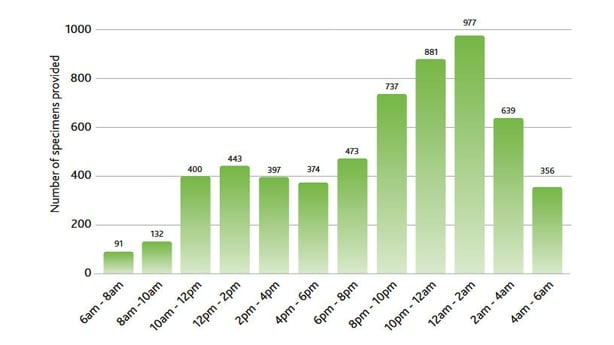
A 14-year-old boy was the youngest person arrested for drink driving last year, while the oldest was aged 94, according to a report from the Medical Bureau of Road Safety.
It found that 36 people were arrested three times for driving under the influence of alcohol and drugs, 263 were arrested twice and seven were arrested between five and 11 times.
A motorist was also found to be eight-and-a-half times over the legal driving limit, which is the highest alcohol level found in blood last year - at 428mg/100ml. The legal limit is 50mg/100ml.
The bureau's director said drink and drug driving, speeding and not using seatbelts remain huge issues among motorists, with young drivers the worst offenders.
Speaking on RTÉ's Morning Ireland, Professor Denis Cusack said that although the number of road deaths in Ireland is "good" by European standards, it is getting worse.
According to the latest garda figures, 168 people have died on Irish roads so far this year.
Prof Cusack said that in addition to road fatalities, around 1,300 people are going to suffer serious injuries in road crashes, some of them life altering.
Read More: Breathalyser that can stop vehicle use being trialled
He said that many younger people are responsible motorists, but those that take risks are causing collisions.
On the number of people being arrested more than once for driving under the influence of drink and/or drugs, Prof Cusack said this will not be tackled unless ways are found to help and support these people in their lives and work.

He said that alcohol interlock devices for cars should also be introduced, adding, "if you can't stop the driver, you stop the car."
He said the technology is there and can be put into cars, adding that the bureau is working closely with the Department of Transport and RSA to introduce the devices.
Meanwhile, 118 people were arrested for driving under the influence between 1 and 7 December as part of a garda road traffic enforcement operation during the Christmas period.
In the first week of the operation, more than 1,750 checkpoints were carried out and more than 3,100 drivers were detected speeding, including one motorist clocked at 185km/h in a 100km/h zone on the N80 in Craan, Co Carlow.
Another was detected travelling at 184km/h in a 120km/h zone on the M1 in Donabate, Co Dublin, while a motorist was clocked at 112km/h in a 50km/h on the Phibsborough road in Dublin.
Gardaí are appealing to people to slow down and take extra care on the roads.
Speaking at a joint An Garda Síochána/PSNI road safety briefing at Bridgend border crossing in Donegal this morning, Superintendent David Kelly, Donegal Division, said: "We're asking everybody to support us in this campaign and make it a safe and happy Christmas for everybody.
"When people die on our roads, we see great community support at funerals; we have representatives from clubs and societies doing Guard of Honours. I'd ask the communities now not to get involved post the fact but before, by encouraging their membership to be safe on the roads. We want you to support us to help keep everyone safe.
"If you know somebody who’s getting into a car under the influence, have a word in their ear. Prevention is equally important to detection."
Read the report in full in Irish or English:
Medical Bureau of Road Safety annual report 2024
Tuarascáil bhliantúil an Biúró Liachta um Shábháilteacht ar Bhóithre 2024