
Wexford General Hospital has apologised to the family of an elderly woman who died there earlier this year, saying it was not the level of standard it aims for.
It follows an internal investigation into complaints from the family that they were denied repeated requests for compassionate visits, and that the hospital wrongly recorded that a family member was present at her death.
The family raised issues about her standard of care, her deterioration and the visiting restriction for a critically ill patient.
They believed there was a profound lack of transparency, and a failure to inform them of the true extent of her illness.
Patient A was aged in her 80s and had been admitted in December last year and died in January this year at the hospital.
The report of the investigation, seen by RTÉ News, says that if the nursing staff had any indication that she was deteriorating, they would have informed the family and allowed them to come in.
It said that the hospital policy is to allow family visits if the patient is at end of life and that the duration of visits should be as flexible as possible.
It said that greater sensitivity and clearer communication should have been exercised when determining and explaining visitation allowances.
It also said it should have been clearer from the medical records that no next of kin was present when she died.
Patient A had a Do Not Resuscitate form signed.
The investigation report says she passed away unexpectedly.
The hospital said it was "very sorry for the upset caused" to Patient A and her family and also apologised for the fact that she was moved during her hospitalisation.
The hospital had been dealing with an outbreak of influenza, Covid-19 and infectious gastroenteritis.
It said it understood how upsetting and distressing such moves can be for patients and families.
Wexford General Hospital said that unfortunately due to current limitations of the hospital infrastructure, and the lack of single rooms, patient moves are sometimes unavoidable.
The hospital upheld the complaint and said that nurse management will discuss with ward staff the lessons from what occurred and that the complaint will be anonymised and used for end of life training of all staff.
It said it was committed to improving communication with service users and are engaged with the HSE healthcare communication programme.
Denial of visitation rights and wrongful recording extremely serious, says Cullinane
Sinn Féin Health Spokesperson David Cullinane said that hospitals must be more aware of the needs of families when caring for elderly patients.
He noted that the hospital upheld the complaint but added that this does not absolve managerial, process, or political failures which resulted in the inaccurate recording of family witnesses or wrongful denial of visitation rights.
Deputy Cullinane said the wrongful denial of compassionate visitation rights, and the wrongful recording of the presence of a family witness, is extremely serious.
He added that the pandemic showed clearly that families need stronger visitation rights and supports.
Deputy Cullinane said Sinn Féin has called for care partner legislation, similar to what is in place in Northern Ireland.
He said the Minister for Health recently introduced a Statutory Instrument on the issue but it is not clear if this was robust enough.
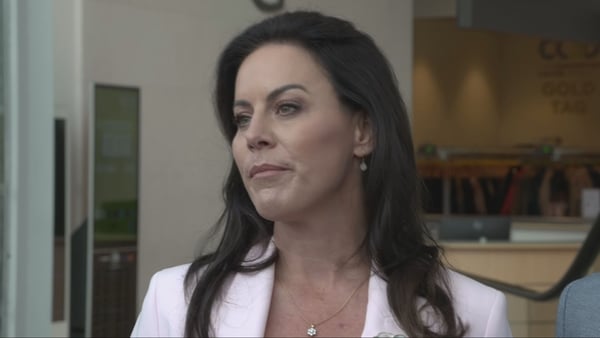
Majella Beattie, chairperson of Care Champions, said the biggest aspect of the internal investigation was blanket policies that do not see the needs of individuals, of a person with dementia, with disabilities or cognitive needs.
She said the consequences are devastating for the person who dies alone, without the family connection and for families who have to live with lifelong trauma.
During the pandemic this became the norm, she said, but that it has continued and she was aware of a number of cases.
We need your consent to load this rte-player contentWe use rte-player to manage extra content that can set cookies on your device and collect data about your activity. Please review their details and accept them to load the content.Manage Preferences
The HSE said it does not publicly discuss individual cases, when to do so might reveal information in relation to identifiable individuals, breaching the ethical requirement on it to observe its duty of confidentiality.