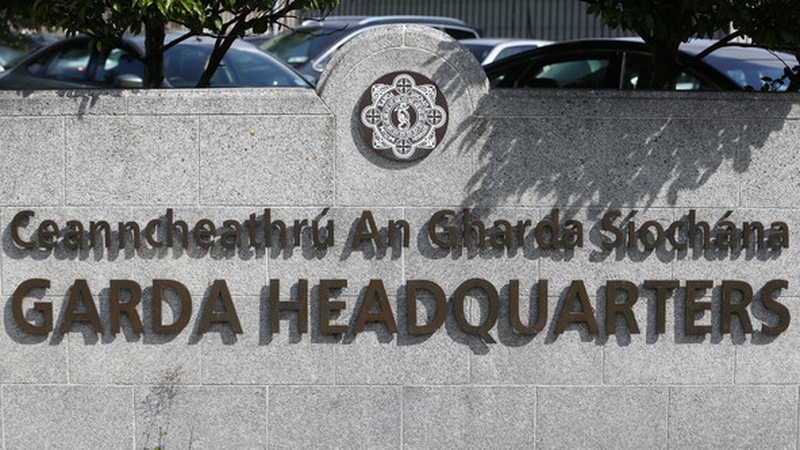

The Government has again advertised for a new Garda Deputy Commissioner, the second highest position in An Garda Síochána, which it has been unable to fill since last year.
The post has responsibility for frontline policing encompassing organised, subversive and serious crime including domestic and international terrorism.
None of the current eight serving assistant commissioners or 47 chief superintendents applied for the role when it was advertised last year because they said they could face a substantial tax bill, in some cases up to €500,000, if they were appointed.
The Minister for Finance set up a review last year to examine the financial issues that senior officers have said are preventing them applying for the position.
It has now completed its report which has been delivered to the minister, but no detail has been released on its recommendations.
The Government is seeking a senior and experienced police officer with a "keen understanding or the capacity to acquire the particular considerations of policing on the island of Ireland".
Few if any of the existing qualified and experienced Garda officers are likely to apply if the pensions issue has not been resolved.
RTÉ is awaiting a response from the Departments of Justice and Finance.
The closing date for applications is next month.
In 2014, the Government introduced new tax regulations which required public servants retiring with funds of over €2 million to pay tax, including on their lump sum payments, which were previously tax free.
This has hit senior gardaí particularly hard because they are required to retire at 60, ten years before other public servants.
They are required to continue to contribute to a pension scheme which has the opposite effect of reducing their pension on retirement.
The more money they pay, the higher the figure will go over the threshold and consequently, the higher the tax bill will be when they retire.
Read more:
The 'top cop' job that no one seems to want